




TL;DR
- Nudge, built by Tilli Software India, was previously positioned as an in-app product experience platform for consumer companies.
- As of the company's current live site, its core product has moved entirely: Nudge now operates as Nudge Technologies Inc, an AI discovery and conversion platform for commerce brands, helping products get recommended inside AI engines like ChatGPT, Perplexity, and Gemini.
- No in-app nudges, gamification, or survey capability remains in its current published offering.
- This article covers what Nudge's product used to be, and what it is today.
- It covers what a category pivot like this means for vendor research generally.
- It closes with a full look at Digia's current in-app engagement architecture for comparison.
Nudge's Original Positioning as an In-App Engagement Platform
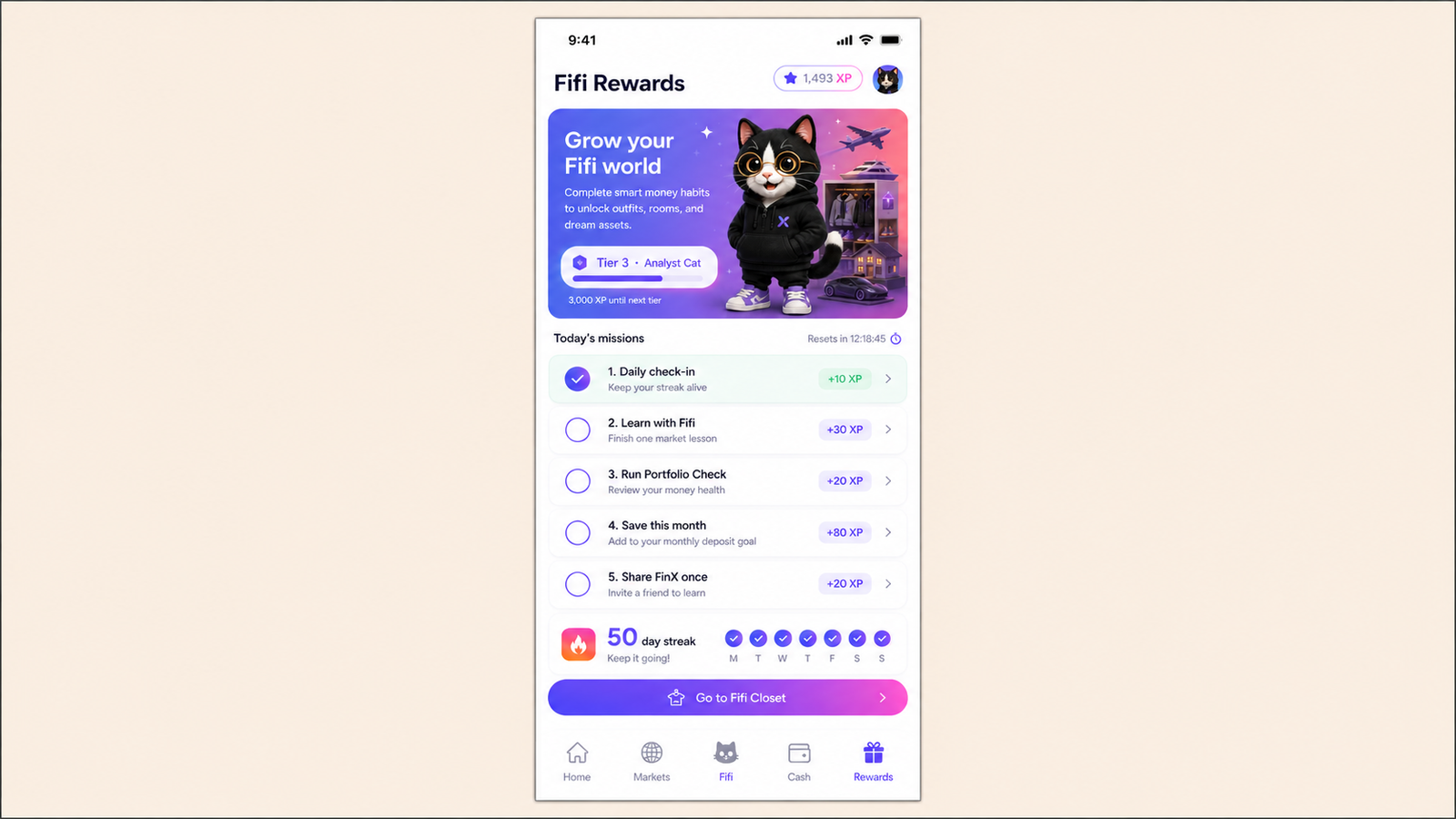
This positioning placed the company in the same broad category as Digia: an in-app engagement layer built specifically for consumer mobile products, distinct from B2B-oriented product-adoption tools like Pendo or Appcues.
The Feature Set Nudge Published at the Time
Its published feature list covered customisable widgets that fit within an app's design and user experience, targeted messaging based on user behaviour and in-app interactions, real-time updates for new content or offers, user segmentation based on activity, A/B testing to compare message variants, and a stated design philosophy of non-intrusive delivery that did not disrupt the user's app experience. Separately published blog content on in-app nudge types and design patterns suggests the company had invested meaningfully in this specific category's content and thought leadership at the time, which is worth noting as evidence the earlier positioning was substantive, not a passing description.
What Nudge's Product Is Today
Nudge's current live site describes a different product from what it previously offered.
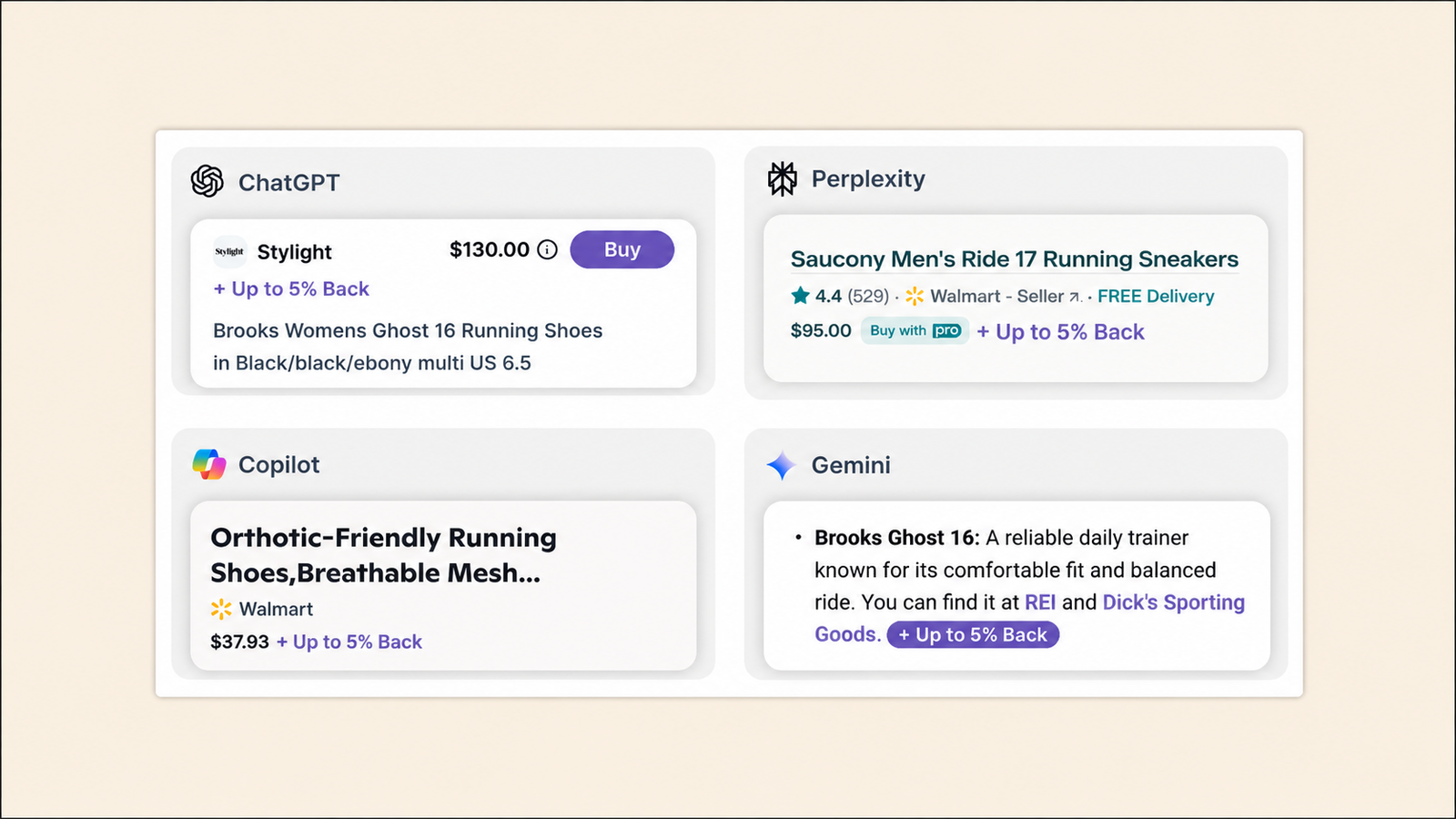
Nudge now positions itself as an AI discovery and conversion platform for commerce brands, aimed at getting brands and products recommended across AI engines including ChatGPT, Perplexity, and Gemini, and generating shoppable funnels tied to specific user prompts. The company now operates under the name Nudge Technologies Inc.
AI Visibility Tracking
The platform tracks where and how AI platforms mention a brand across shopping intent queries, and surfaces gaps in that visibility, giving a commerce brand insight into how often and how favourably its products appear when a shopper asks an AI assistant a purchase-related question.
Funnel Generation
Nudge generates landing pages and funnels matched to traffic arriving from AI platforms, ads, and organic search, built around the idea that a visitor arriving from an AI-generated recommendation has a different, more specific intent than a visitor arriving from a generic ad, and should land on a page built for that specific intent rather than a standard product page.
Catalog Enrichment for AI Shopping Agents
The platform adjusts a brand's product catalogue data specifically for how AI shopping agents evaluate and recommend products, which is a distinct technical problem from traditional SEO, since an AI agent parses and reasons over product data differently than a search engine crawler does.
Integrations and Pricing
The platform connects to Shopify, Google Analytics, Search Console, and Meta to combine its AI visibility data with real product and traffic performance signals. Pricing is based on the number of opportunities identified, the number of prompts a brand wants to track, and overall usage, with a quote provided through a demo.
This is a product built for a different buyer and a different problem than in-app mobile engagement, e-commerce discovery inside AI-generated search and shopping results, not engagement inside a mobile app's own screens.
What a Category Pivot Like This Means for Vendor Research
A full move away from a company's original product category is a significant business decision, and it says nothing on its own about the quality of either the earlier product or the current one. What it does mean, directly and practically, is that any comparison built around the earlier positioning no longer describes reality.
The Specific Risk for Anyone Still Referencing Nudge as an In-App Tool
A team researching "Nudge" as an in-app engagement competitor today, working from older blog content, a review aggregator listing, or a colleague's earlier recommendation, will land on a product that no longer does what that research suggests. The specific capabilities that made Nudge a relevant comparison at the time, in-app nudges, gamification, surveys, are not present anywhere in the company's current published platform description.
Why This Justifies Removing Nudge From an In-App Shortlist, Not Just Flagging It
As of this article's research, Nudge is not a current competitor to Digia in the in-app engagement category. This is not a close call requiring further evaluation. It is a category mismatch: one product renders content inside a mobile app's own screens, and the other optimises how a brand's products appear inside AI-generated shopping answers on the open web.
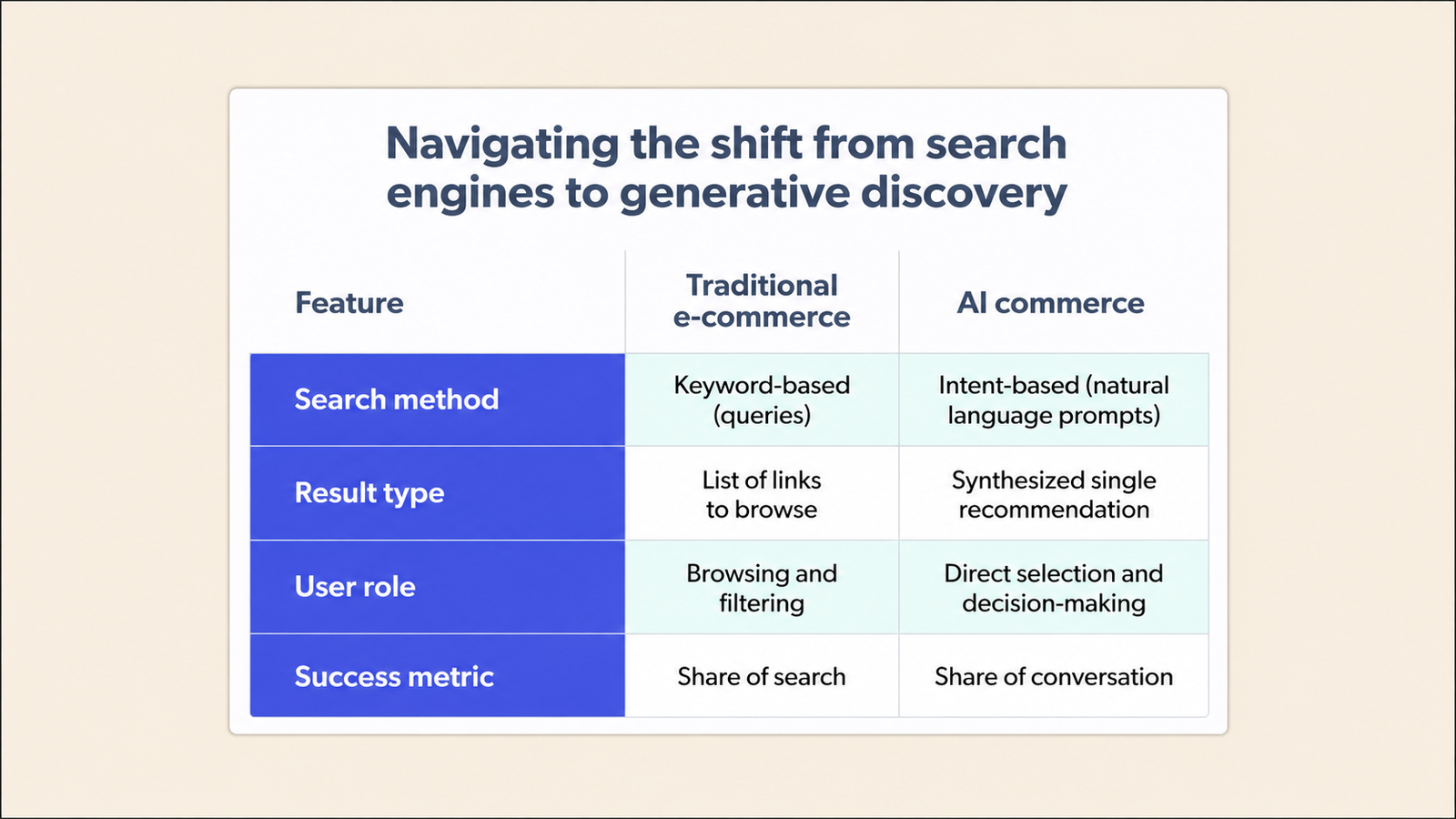
A team with Nudge on an in-app tooling shortlist should remove it from that specific list, not merely note the pivot and continue evaluating it against in-app-specific criteria that no longer apply to its current product.
Why Older Content Still Surfaces in Search Despite the Pivot
Third-party content describing Nudge's earlier in-app engagement capabilities, including the blog and LinkedIn content cited earlier in this article, remains published and discoverable, even though it no longer describes the company's current offering. Review aggregators in particular are prone to this lag, since they are frequently populated once and rarely re-verified against a vendor's current live product.
Digia's Current Product
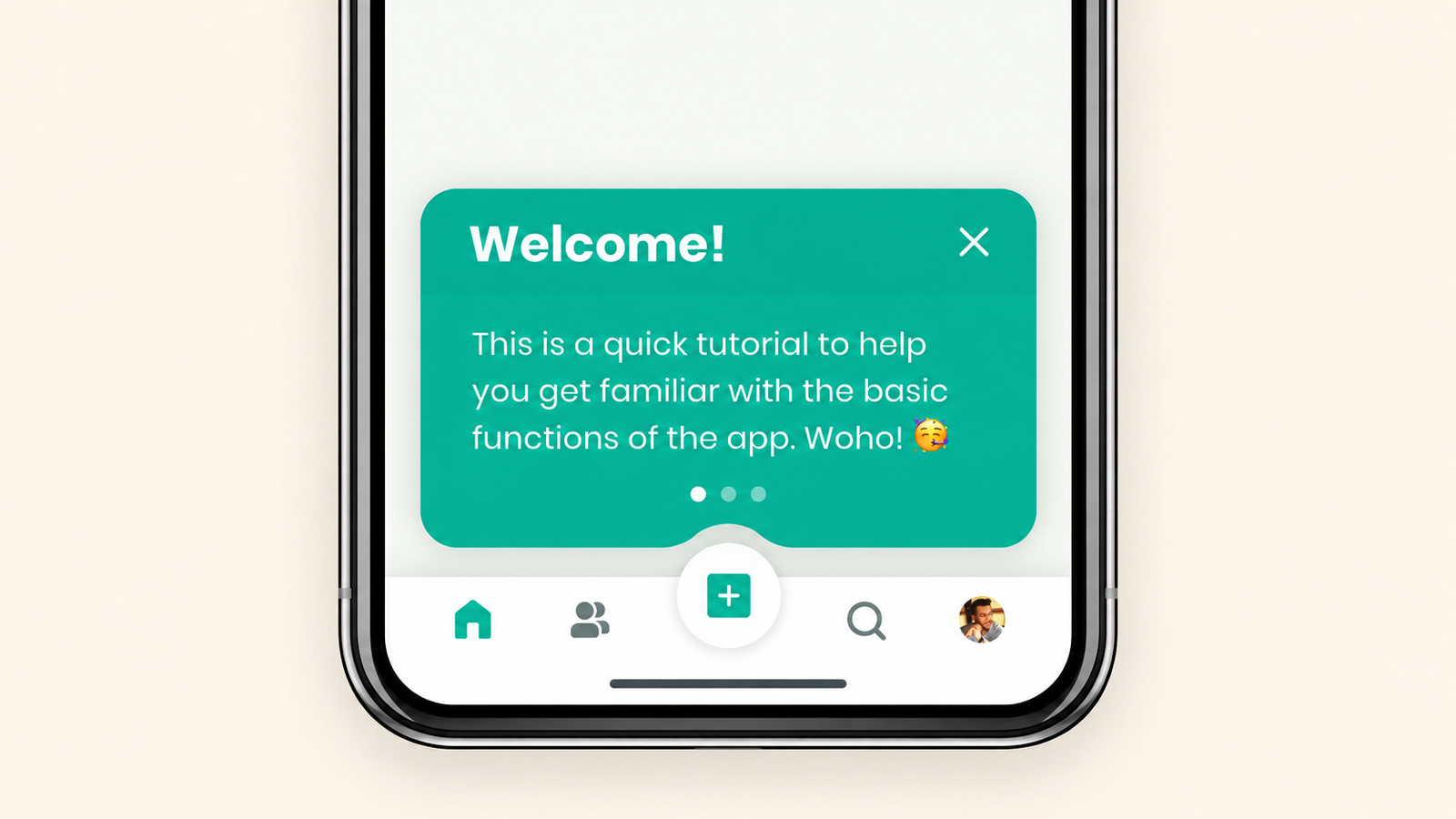
Digia Engage plugs directly into the CEP a team already runs, reusing the segments and events already managed there, with no duplicate data layer and no new stack required. Onboarding, nudges, surveys, gamification, and rich media all ship into the product without a dev sprint, with in-app campaigns triggering in under 100ms and teams going from SDK integration to a first live campaign in under 24 hours.
The Format Library
The AI Layer
The Architectural Choice Behind Reusing an Existing CEP
The decision to layer on top of an existing customer engagement platform, rather than requiring a standalone segmentation and event-tracking setup, is a deliberate architectural bet distinct from how many competitors in this category are built. It means a team's existing investment in CleverTap, MoEngage, or WebEngage segmentation carries over directly rather than needing to be rebuilt inside a second system, which is a materially different integration cost than adopting a fully standalone in-app platform.
Why Sustained, Category-Specific Focus Is Itself Worth Weighing
Digia has continued to build depth specifically within in-app engagement, native rendering quality, format breadth, and AI-assisted campaign tooling, rather than shifting its core focus to an adjacent problem. For a team evaluating vendors in a category where at least one prior competitor has since moved on entirely, a platform's continued, deepening investment in the specific problem a team needs solved is a relevant signal in its own right, not just a snapshot of the current feature list.
What This Means for Broader Competitive Research Practices
Vendor Comparisons Have a Shelf Life
A team building a competitive landscape document, a vendor comparison deck, or an internal shortlist should treat any comparison older than a few months as needing re-verification, not assumed to still be accurate. A company's core product can change entirely in a shorter window than most procurement cycles run, as this specific case demonstrates directly.
What to Check Before Trusting Any Published Comparison
Confirm a vendor's current live site describes the same product category the comparison assumes, check the publication date of any third-party review or blog content being relied on, and where possible, request a live demo rather than concluding an evaluation from marketing content alone, since a demo will surface a pivot immediately in a way a cached review page will not.
A Documented Case Worth Keeping on File
This specific pivot is a useful, concrete example to reference the next time a team is tempted to trust an older comparison document without re-checking it, since it demonstrates the failure mode directly rather than as an abstract caution.
Key Takeaways
Nudge, built by Tilli Software India, was previously positioned as an in-app product experience platform for consumer companies, covering nudges, gamification, and surveys, placing it in the same general category as Digia at the time.
As of this article's research, Nudge's current live site describes a different product entirely: an AI discovery and conversion platform for commerce brands, focused on AI visibility tracking, shoppable funnel generation, and catalogue enrichment for AI shopping agents. This is a genuine category move, not a claim about which product is better.
This means Nudge is not currently a relevant in-app engagement comparison for Digia, and any team researching it as one, based on older content or outdated review listings, should remove it from that shortlist entirely rather than continuing to evaluate it against criteria its current product no longer addresses.
Digia's current live product has continued to deepen its capability specifically within in-app engagement, native rendering, format breadth, AI-assisted campaign tooling, layered on top of an existing CEP, rather than shifting its core focus elsewhere. That sustained, category-specific investment is a relevant signal for any team evaluating vendors in a space where competitors have moved on.
The broader lesson for any competitive research process: vendor comparisons age, sometimes quickly and completely, and a shortlist or comparison document should be periodically re-verified against a vendor's current live site rather than treated as a stable, one-time reference.
Further Reading
From Digia Engage:
- In-App Nudges: The Complete Guide for Mobile Growth Teams - the full nudge taxonomy and measurement framework for the category Nudge has since exited
- CleverTap Alternatives: 7 Tools for Teams Who Want Better In-App UI - a comparison framework applied to currently active competitors in this category
- Plotline Alternatives for Indian Consumer Apps - a comparable in-app engagement layer still active in this category as of this article's research
- Digia vs Pendo: In-App Engagement for Consumer Mobile Apps - a comparable comparison against a still-active competitor, for contrast against this article's category-pivot case
- Digia Engage Nudges -native, event-triggered nudge formats built on top of an existing CEP
External Sources:
- Nudge - Nudge Technologies Inc (the company's current live product description, fetched directly for this article)
- Nudge, LinkedIn - Nudge (the company's former positioning as an in-app product experience platform)
- In-App Messaging Platforms Driving User Engagement and Retention -Nudge (archived blog content describing the company's former in-app feature set)
- Different Types of In-App Nudges - Nudge (archived content confirming the depth of the company's earlier in-app engagement positioning)
Digia Engage remains an in-app engagement layer built to plug into CleverTap, MoEngage, or WebEngage, covering nudges, widgets, surveys, gamification, and video. Book a demo to see the current format library, or read the CleverTap alternatives comparison for a comparison against vendors still actively competing in this category.
