


Mobile app engagement is one of the most tracked things in product.
It’s also one of the least understood.
Teams measure everything. Or at least, it feels like they do. Data from AppsFlyer suggest that nearly 80% of new users drop off within the first 3 days, making early engagement one of the most fragile stages of the user lifecycle.
Sessions, retention curves, feature usage, time spent. The dashboards are full. The dashboards are full, and the numbers move. On the surface, it looks like engagement is under control. At first glance, this looks fine. But it isn’t.
But something doesn’t add up. Here’s the catch.
Data from Localytics shows that over 70% of users churn within 90 days, while multiple studies suggest that a majority of drop-offs happen within the first few sessions. That’s the real problem.
Users return to the app, interact with features, and generate activity. But the product never becomes a habit. Retention plateaus. Growth stalls. Engagement exists, but it doesn’t translate into value. This is where things break.
The issue is not a lack of data or effort. It is a lack of clarity.
Most teams are not measuring engagement incorrectly. They are defining it incorrectly.
They treat all activity as equal, all interactions as meaningful, and all improvements as progress. This creates a system where engagement can grow without actually improving the product.
To understand what is really happening, we need to separate signal from noise.
TL;DR/Summary
- Engagement is often mistaken for activity, not actual user value
- Metrics like DAU and session time show what users do, but not why
- Many engagement strategies increase usage without improving outcomes
- Product systems (like release cycles) quietly break engagement loops
- In fintech, engagement depends on trust and successful core actions
- Not all interaction is meaningful. Some UI patterns inflate false signals
- Healthy engagement aligns with intent; unhealthy engagement creates noise
This article is designed as a pillar-level exploration of engagement, bringing together multiple perspectives that are often treated in isolation. Instead of looking at engagement through a single lens, it connects foundational concepts, measurement frameworks, product constraints, and domain-specific patterns into one cohesive system.
These patterns are not theoretical. They emerge repeatedly in real-world product environments where teams optimize for engagement metrics but struggle to translate them into sustained user value
Along the way, we will build on deeper explorations of key topics such as:
- What Is App Engagement in Mobile Apps - Explains what engagement actually means beyond surface metrics, focusing on user intent, value creation, and meaningful interaction.
- Release Cycles Are Breaking App Engagement - Explores how frequent updates and release-driven development disrupt user behavior and create fragmented engagement patterns.
- Engagement Strategies for Mobile Apps - Examines why most engagement strategies operate at the wrong layer, optimizing activity instead of real user outcomes.
- App Engagement Metrics That Matter - Breaks down why common metrics fail and highlights the difference between descriptive metrics and those that explain user behavior.
- Fintech Engagement Metrics: Core Actions & Trust Signals - Focuses on how engagement in fintech is defined by trust and completion of critical actions rather than superficial activity.
- Fintech Engagement: A Risk-First, Trust-Led Playbook - Shows how risk and trust fundamentally reshape engagement strategies in fintech environments.
- Fintech App Engagement: Core Actions & Trust Signals - Explains how identifying and measuring core actions leads to a more accurate understanding of user value in fintech products.
- Engagement Widgets, Performance, and Uncertainty - Analyzes how UI patterns, nudges, and performance optimizations can create misleading signals of engagement.
- Fintech Engagement Patterns: Trust & Core Actions - Explores how user behavior in fintech follows different structural patterns driven by trust, intent, and high-stakes interactions.
Each of these ideas is expanded in dedicated deep-dives, but here they are brought together to form a complete understanding of how engagement works and why it so often fails in practice.
What Is App Engagement, Really?
Mobile app engagement is simple in theory. It’s how often and how meaningfully users interact with your app
Most teams think they understand engagement. Because they can measure it. The moment something shows up on a dashboard, it feels real. It also feels actionable.
But visibility is not the same as clarity. What gets labeled as engagement is often just a mix of activity signals that were easy to track, not meaningful to interpret.
According to Mixpanel, users who perform a core action within the first session are 2–3x more likely to retain after 7 days.
The problem is that engagement is rarely defined in isolation. It gets bundled with retention, activation, or satisfaction, creating a blurred concept that shifts depending on context. This makes it difficult to reason about. Teams end up optimizing something they cannot clearly describe.
Without a precise definition, engagement becomes reactive. Metrics go up or down, but there is no stable understanding of what those changes represent. What looks like improvement may just be movement. This is where things break.
This is where most engagement strategies start to break. Because if the foundation is unclear, everything built on top of it inherits that ambiguity.
Real-World Examples of Mobile App Engagement
Engagement is often discussed in abstract terms - metrics, funnels, retention curves. But in reality, users don’t experience “engagement strategies.” They experience small, concrete interactions inside familiar products.
Looking at real-world examples makes one thing clear very quickly. Here’s the catch. The same engagement mechanic can feel motivating, helpful, or manipulative depending on how it’s designed and why it exists.
Engagement mechanics like streaks and rewards are not just design choices they have measurable impact. Research across consumer apps shows that habit-forming features can increase short-term return rates significantly, but often fail to sustain long-term retention once the external trigger is removed
Here are a few everyday examples most users already recognize.
Snapchat Streaks: Engagement Through Social Obligation
Snapchat’s streaks are one of the most well-known engagement mechanics in
consumer apps. By showing how many consecutive days two users have exchanged snaps, Snapchat turns communication into a visible commitment.

At first, streaks feel playful. They give conversations a sense of continuity and shared effort. Over time, though, they often shift from motivation to obligation. Users keep sending snaps not because they have something to say, but because breaking a streak feels like letting someone down.
This is a classic example of engagement driven by social pressure. It works extremely well at increasing daily activity, but it also blurs the line between voluntary use and compulsion.
Fitbit Badges: Engagement Through Progress and Mastery
Fitbit’s badges for step goals use a very different emotional lever. Instead of pressuring users to return daily, they reward progress toward a personal objective.
Badges acknowledge effort, not frequency. Missing a day doesn’t feel like failure - it just delays the next milestone. This makes the engagement feel supportive rather than demanding.
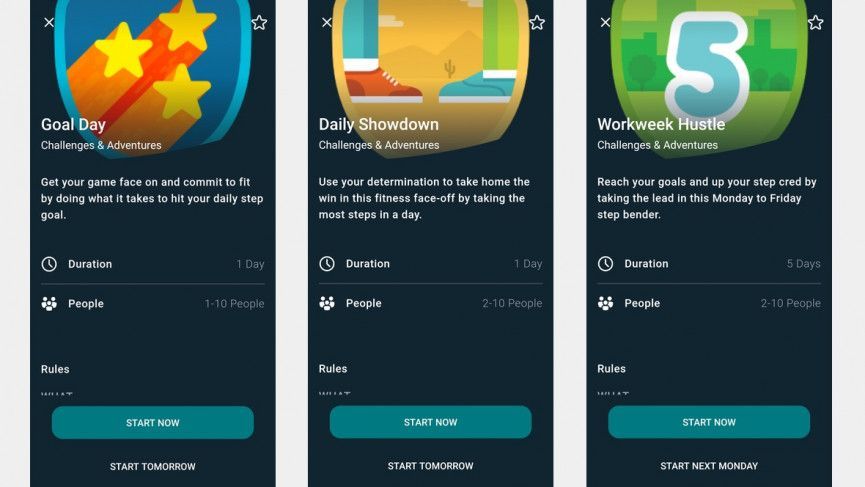

Fitbit’s approach shows how engagement tied to mastery and self-improvement tends to age better than engagement tied to streaks or fear of loss.
Plants vs. Zombies 2: Limited-Time Content Alerts
Limited-time events in games like Plants vs. Zombies 2 are designed to create urgency. New levels, characters, or rewards appear for a short window, nudging players to return sooner than they otherwise might.

This kind of engagement sits in a gray zone. When used sparingly, it adds excitement and variety. When overused, it trains players to feel anxious about missing out.
The difference between excitement and exhaustion often comes down to frequency and recoverability. Can users skip an event without feeling punished? Or does absence slowly degrade their experience?
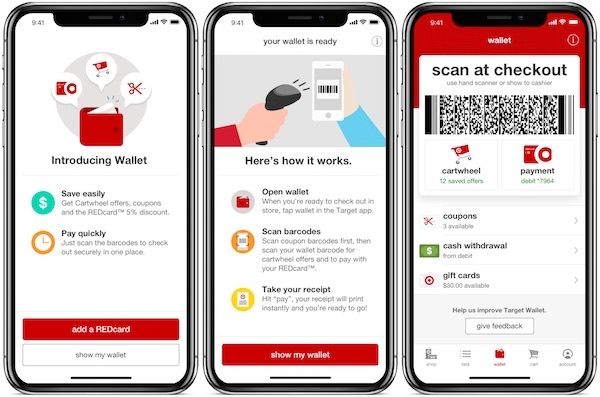
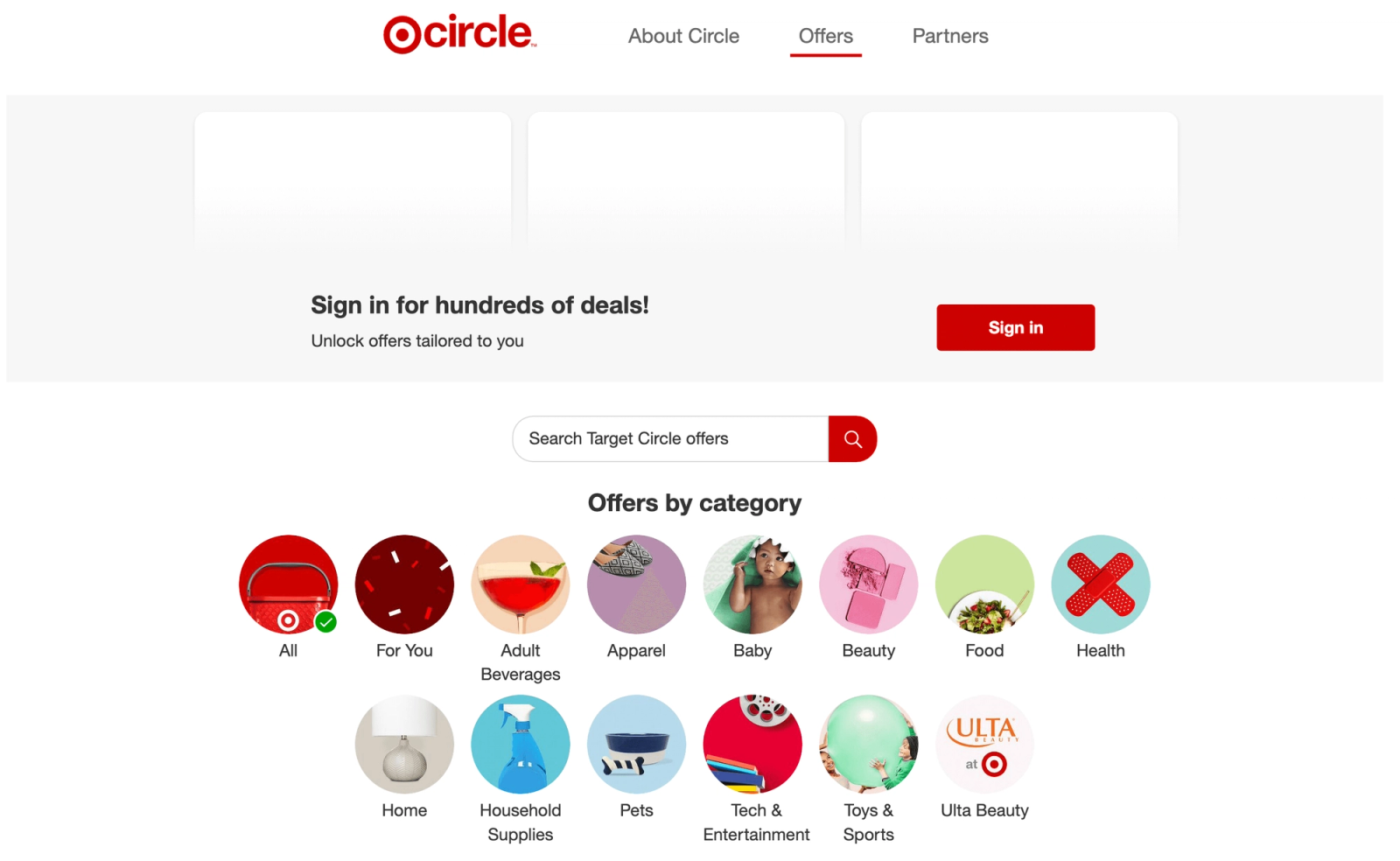
Target Circle: Engagement Through Exclusivity
Target Circle’s engagement strategy leans heavily on exclusivity. Members get early access, personalized deals, and invite-only events that non-members don’t see.
Here, engagement is less about frequency and more about belonging. Users return because they feel part of a preferred group, not because the app constantly demands attention.
Engagement Is Broken by Release Cycles
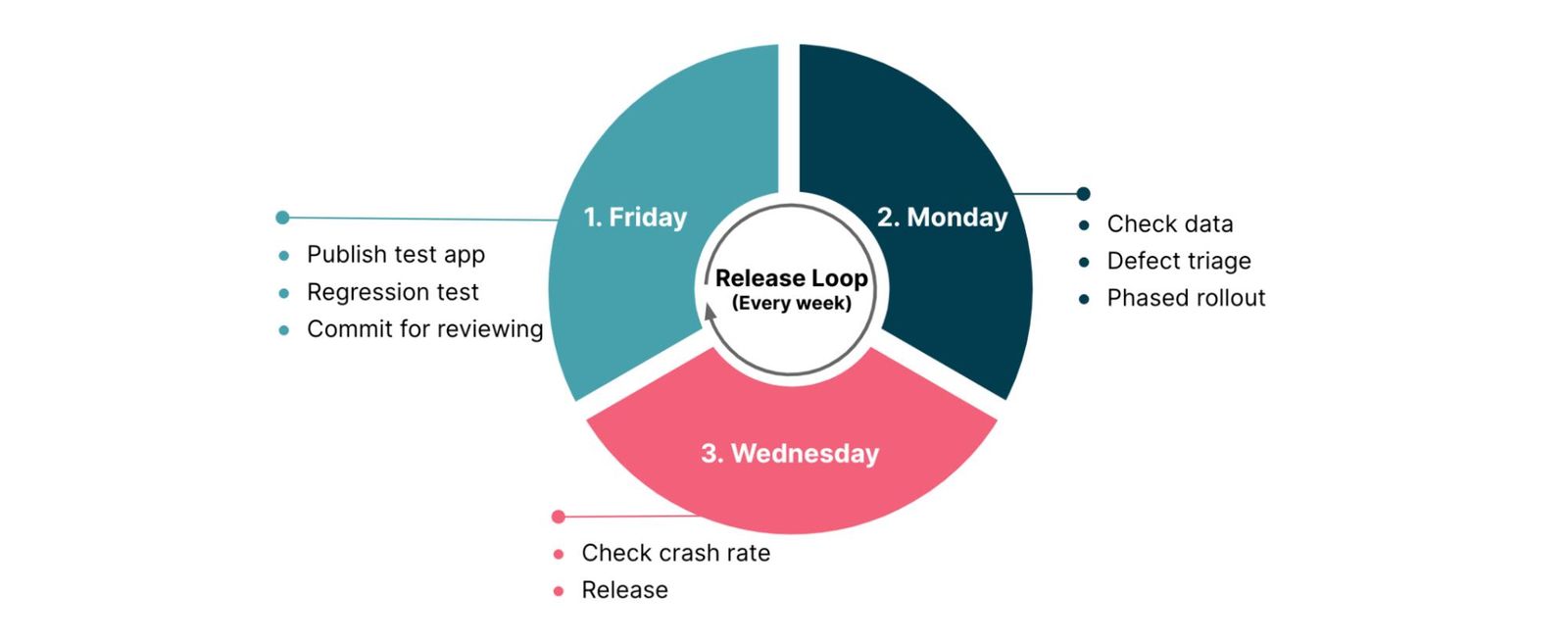
Most discussions about engagement focus on user behavior, but ignore how product systems shape that behavior. One of the biggest structural constraints is the app store release cycle itself. Mobile apps are still dependent on shipping updates through app stores, which introduces delay between learning and action.
This delay creates a disconnect. Users interact with the product in real time, but the product responds in batches. By the time an issue is identified, prioritized, built, and released, the user context that triggered it may no longer exist.
Engagement, however, depends on tight feedback loops. It improves when products can adapt quickly to user behavior. When that loop is stretched, the system becomes rigid. Instead of evolving with users, it reacts too late.
Over time, this leads to a pattern where teams rely more on assumptions than actual behavior. Engagement becomes something you try to influence indirectly, rather than something you shape continuously.
Engagement Strategies Often Optimize the Wrong Layer
When engagement drops, the instinct is to add mechanisms that bring users back. Notifications are increased, gamification elements are introduced, and new prompts are layered into the experience. These changes often create visible spikes in activity, which reinforces the belief that the strategy is working.
Data from Amplitude shows that while re-engagement tactics can increase short-term activity, many apps see retention drop by more than 50% within the first week after initial spikes.
In practice, this often shows up as increased activity without meaningful retention gains, especially in products that rely heavily on re-engagement tactics
But these tactics operate at the surface level a pattern often observed in growth experimentation frameworks used by companies like Reforge. They influence behavior without necessarily improving the underlying value of the product. Users may return more often, but that does not mean they are progressing or finding what they need.
This creates fragile engagement. It only works if you keep pushing users. The moment those prompts are reduced, activity falls again.
The deeper issue is misalignment. Mobile App Engagement Strategies are being applied to drive interaction, while the product may not be structured to support meaningful outcomes. Without that alignment, engagement becomes something that is manufactured rather than earned.
Most Engagement Metrics Don’t Measure Value
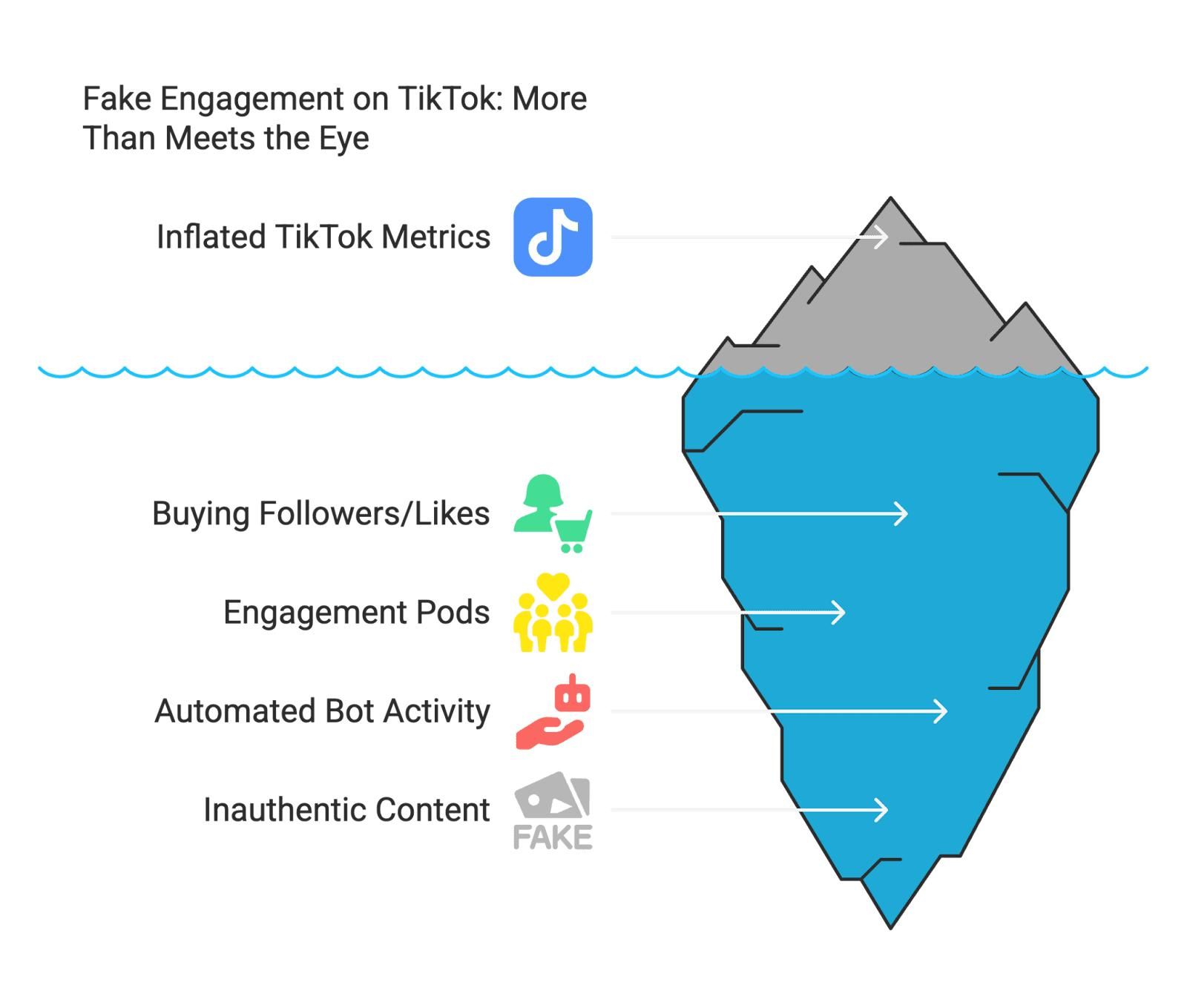
Most engagement metrics don’t measure value, a limitation widely discussed in product analytics research from platforms like Mixpanel and Amplitude. Studies from Amplitude show that frequency-based metrics like DAU often fail to explain long-term retention, with many apps seeing DAU/MAU ratios remain below 20% despite active usage.
Mobile App Engagement Metrics are meant to bring clarity, but in engagement, they often do the opposite. Teams track what is easiest to measure, which usually includes frequency, session duration, and feature usage. These signals are abundant and easy to visualize, which makes them feel reliable.
However, these metrics do not capture why users act or whether those actions lead to anything meaningful. A longer session could indicate deeper engagement, or it could signal confusion. Higher frequency could mean habit formation, or it could reflect repeated attempts to complete a task.
This creates a false sense of understanding. Numbers move, dashboards update, but the underlying behavior remains unclear. Decisions are then made on top of this incomplete picture.
Over time, teams become more confident in their metrics, even as those metrics drift further from actual user value.
| Metric Type | Common Metric | Why It Misleads | Better Alternative |
|---|---|---|---|
| Acquisition | Installs | Doesn’t reflect real usage | Activated users |
| Engagement | DAU/MAU | Measures frequency, not value | Task completion rate |
| Retention | Day 1 retention | Too short-term | Week 4 retention |
| Monetization | ARPU | Ignores user experience | LTV + retention quality |

Descriptive vs Explanatory Metrics
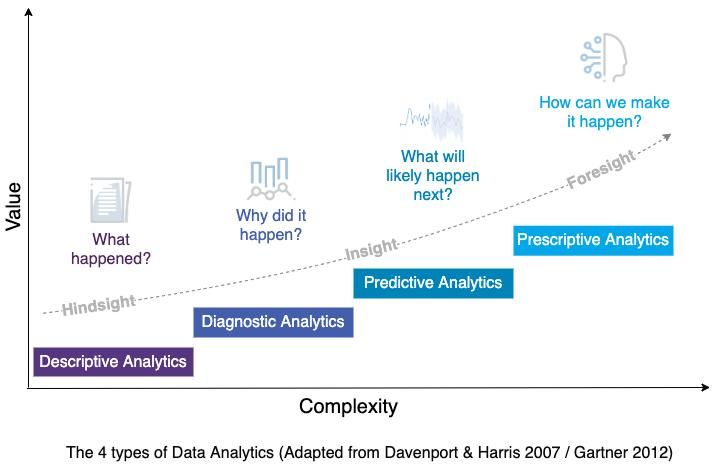
A key reason engagement measurement fails is the over-reliance on descriptive metrics. These metrics tell you what happened. They show trends, changes, and patterns in behavior. But they stop at observation.
What they don’t provide is explanation. They don’t tell you why users behaved a certain way, or what influenced their actions. This limits their usefulness in decision-making. You can detect movement, but you cannot confidently act on it.
Explanatory metrics operate differently. They connect behavior to intent, context, and outcomes. They help answer questions like whether a user is progressing, struggling, or disengaging for a specific reason.
Without this layer, teams are left interpreting signals without context. This often leads to reactive decisions that address symptoms rather than causes.
Fintech Engagement Is Built on Trust and Core Actions
In most consumer apps, engagement is associated with frequency and time spent. The assumption is that more interaction leads to stronger retention. Fintech does not follow this pattern. Users do not open these apps to explore or browse. They open them to complete specific, high-intent actions.
This changes everything. This is where things break. The focus shifts from how often users return to whether they feel confident enough to act. Trust becomes the foundation. Research from McKinsey & Company shows that over 60% of users abandon financial flows when they perceive even minor security or reliability concerns.
Core actions such as transferring money, making investments, or checking balances carry weight. They are not casual interactions. Each one requires clarity, reassurance, and predictability.
As a result, fintech mobile app engagement metrics is less about volume and more about quality. Fewer actions matter more, as long as they’re done with confidence.
Engagement Without Trust Creates Risk
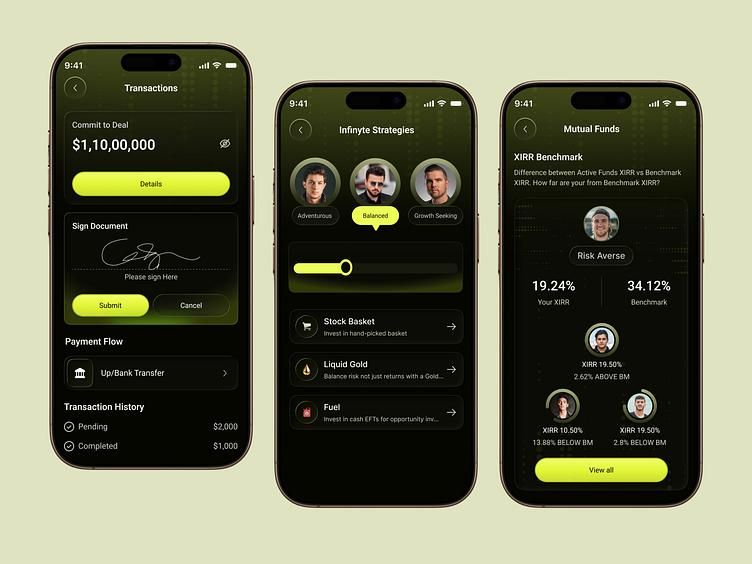
In many product categories, reducing friction is seen as a direct path to improving engagement. The easier it is to act, the more users will do so. But in fintech, removing too much friction can have the opposite effect.
When actions feel too easy, especially those involving money or sensitive data, users may become skeptical. The absence of checkpoints, confirmations, or clear signals can reduce trust rather than increase usability.
This introduces a different kind of mobile app engagement risk. Users hesitate not because the product is difficult to use, but because it feels unreliable or unsafe. Engagement drops, not due to friction, but due to lack of confidence.
Designing for fintech engagement requires balancing ease with assurance. The goal is not to eliminate friction entirely, but to make it meaningful.
👉 This balance is explored further in [Fintech Engagement Risk Trust First Playbook]
Measuring Engagement in Fintech Requires Different Metrics
Applying generic fintech engagement metrics to fintech products often leads to misleading conclusions. Metrics like session duration or frequency do not capture the nature of user intent in these environments. A short session could represent a successful, high-confidence action, while a long session might indicate uncertainty.
What matters more are signals tied to outcomes. Did the user complete a critical action? Did they return with intent? Are their behaviors consistent over time? These indicators reflect engagement more accurately in a high-stakes context. Data from Google Firebase suggests that tracking task completion and user success events provides a more reliable indicator of engagement than session-based metrics.
This requires a shift in how metrics are defined. Instead of tracking activity, the focus moves to tracking meaningful progress and trust signals.
Without this shift, teams risk optimizing for the wrong behaviors, improving numbers while degrading actual user experience.
👉 A detailed framework for this is covered in [Fintech Engagement Metrics Core Actions Trust Signals]
Engagement Patterns in Fintech Are Structurally Different
Patterns that drive engagement in social or content-driven apps often fail in fintech mobile app engagement because the underlying user motivations are different. In social apps, engagement is driven by discovery, novelty, and continuous interaction. In fintech, it is driven by necessity, intent, and trust.
This leads to fundamentally different behavioral patterns. Users may interact less frequently, but with greater purpose. They are less tolerant of ambiguity and more sensitive to perceived risk.
Design patterns must reflect this. What works in one category cannot simply be transferred to another. When it is, it often results in experiences that feel unnatural or unreliable.
Understanding these differences is critical. Without it, teams end up designing for engagement patterns that do not exist in their context.
👉 These patterns are explored in detail in [Fintech App Engagement]
UI Patterns Can Create False Signals of Engagement
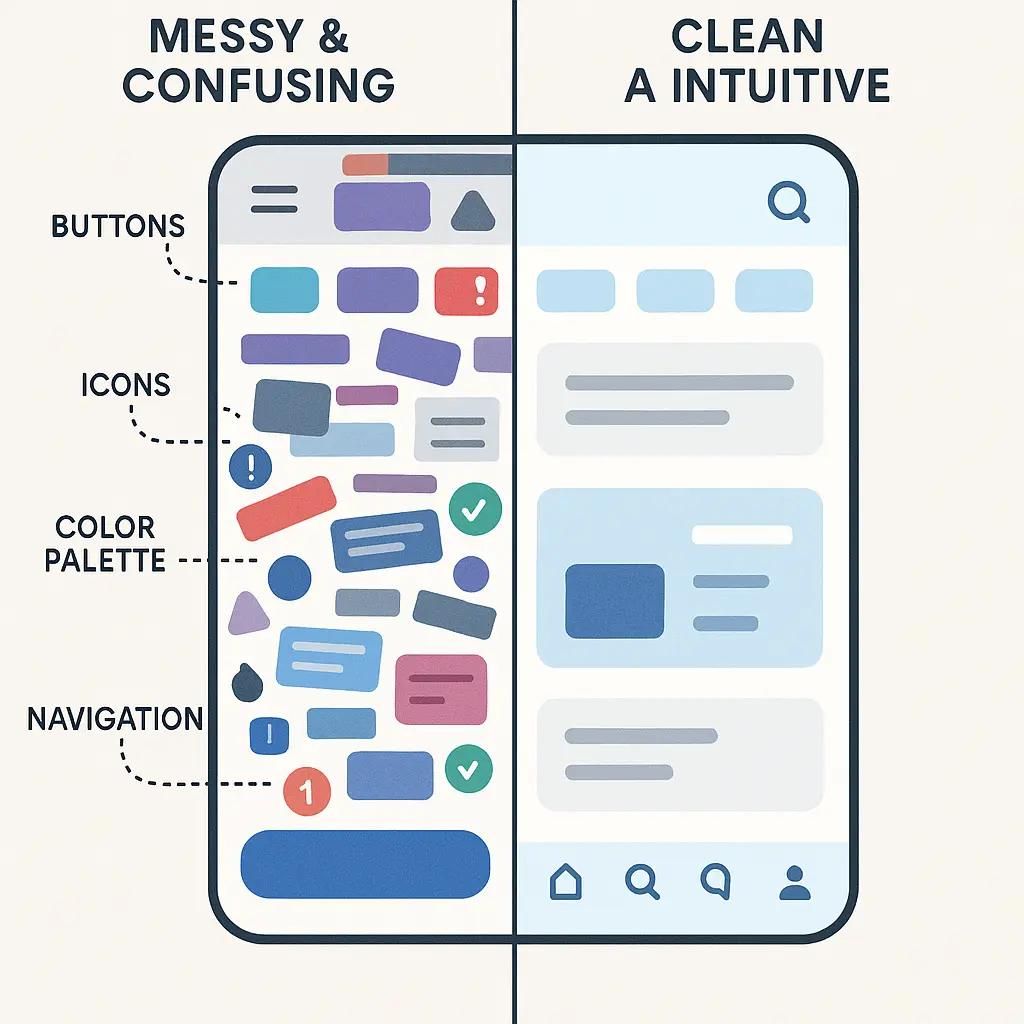
Interface design has a direct impact on how engagement is perceived. Many UI patterns are optimized to increase interaction, often by encouraging users to tap, scroll, or explore more. These interactions are then interpreted as signs of engagement.
A study by Nielsen Norman Group found that users can generate up to 2x more interactions in confusing interfaces, not because they are engaged, but because they are searching for clarity.
But not all interaction is meaningful. Some engagement performance patterns create activity without contributing to user progress. Widgets, prompts, and dynamic elements can make an interface feel active while introducing uncertainty about what users are actually trying to achieve.
This creates misleading signals. Teams see increased interaction and assume improvement, even when the user experience becomes more fragmented.
Over time, this leads to a disconnect between perceived performance and actual value. The product appears to be engaging, but fails to support meaningful outcomes.
👉 This effect is explored further in [Performance Patterns Behind Engagement Widgets]
Engagement Patterns Are Not Universal. They Are Context-Driven.
Up to this point, mobile app engagement has been discussed as a system. Defined by structure, shaped by metrics, and influenced by product decisions. But one of the most important realizations is this:
Engagement is not universal.
It does not behave the same across products, industries, or user intent. What works in one category can completely fail in another, even if the surface-level patterns look similar.
This becomes especially clear in fintech.
In most apps, engagement is driven by frequency. Users return often, explore freely, and interact continuously. The goal is to increase time spent and depth of interaction.
Fintech does not follow this model.
Users do not engage casually. They act with purpose. Each interaction carries weight, whether it is checking a balance, making a payment, or completing a transaction. The expectation is not exploration, but clarity and control.
This fundamentally changes what “good engagement” looks like.
- Fewer sessions can still mean strong engagement
- Short interactions can still deliver high value
- Friction can sometimes increase trust instead of reducing it
In many apps, strong engagement is associated with DAU/MAU ratios of 20–30%, but in high-intent products like fintech, lower frequency with higher task success often indicates healthier usage patterns.
When these patterns are misunderstood, products are designed incorrectly. Teams try to force high-frequency behaviors into systems that depend on precision and trust. The result is engagement that looks active but feels unreliable.
This is where the distinction between healthy and unhealthy engagement becomes fully visible.
Healthy engagement adapts to context. It aligns with user intent, respects the nature of the product, and supports meaningful actions.
Unhealthy engagement ignores context. It applies generic patterns, inflates activity, and creates systems that feel busy but lack depth.
| Dimension | Healthy Engagement | Unhealthy Engagement |
|---|---|---|
| Frequency | Intent-driven usage | Habit-forced usage |
| Retention | Long-term | Short spikes |
| Notifications | Relevant | Spammy |
| User Value | Clear outcome | Time pass |
To make this clearer, it helps to understand how these conclusions were formed
Methodology
This analysis is based on a combination of product teardown, behavioral pattern observation, and industry research across mobile and fintech applications.
Instead of relying on a single dataset, it synthesizes three layers:
- Observed product behavior across real-world apps (consumer and fintech)
- Measurement frameworks commonly used by growth and analytics teams
- Structural constraints such as release cycles, attribution limits, and platform dynamics
The goal is not to validate a single hypothesis, but to identify consistent patterns that explain why engagement metrics often fail to translate into user value.
This approach focuses on system-level understanding rather than isolated tactics.
How to Fix Engagement That Isn’t Driving Value
Fixing engagement is not about adding more tactics. It is about rebuilding the system so that user activity aligns with real outcomes.
Follow this sequence to systematically diagnose and correct engagement that looks active but fails to create value:
Step 1: Define the Primary User Outcome
Identify the single action that represents real user value (e.g., first transaction, completed onboarding).
Outcome: A clear definition of what “meaningful engagement” means in your product
Step 2: Map Current Metrics to That Outcome
List the metrics you currently track (DAU, sessions, etc.) and check whether they reflect progress toward that outcome.
Outcome: A gap between activity metrics and value metrics
Step 3: Identify Core Actions
Break down the journey into 2–3 actions that lead to the outcome.
Outcome: A small set of high-signal behaviors
Step 4: Audit Artificial Engagement Triggers
Review notifications, prompts, and UI nudges. Remove anything that increases activity without improving core actions.
Outcome: Reduced noise in engagement signals
Step 5: Align Metrics With Behavior
Replace or complement surface metrics with:
- task completion
- success rate
- repeat meaningful actions
Outcome: Metrics that reflect real user progress
Step 6: Validate With Real User Behavior
Observe how users actually interact:
- Where do they drop?
- Where do they hesitate?
Outcome: Behavior-backed insights
Step 7: Iterate Based on Outcomes
Adjust product decisions based on whether core actions improve not just activity.
Outcome: A feedback loop tied to value
Final Thoughts: Engagement Is a System, Not a Signal
By this point, it becomes clear that engagement is not a single metric, tactic, or feature you can optimize in isolation. It is the result of how well your product aligns user intent, design decisions, and measurement systems into a coherent whole.
When that alignment exists, engagement becomes a natural outcome. Users act with purpose, metrics reflect real progress, and retention builds without forcing it. The product does not need to push users to engage because the value is already clear.
When that alignment is missing, the opposite happens. Activity increases, but meaning disappears. Teams rely on surface-level strategies, metrics lose reliability, and engagement becomes something that needs to be constantly stimulated rather than sustained.
This is why the distinction between healthy and unhealthy engagement matters.
It is not just a way to categorize behavior. It is a way to diagnose whether your product is creating real value or simply generating activity.
The shift, then, is not about improving engagement directly. It is about designing systems where meaningful engagement can emerge.