


TL;DR: Product adoption isn't just about guiding users anymore. It's about shaping their entire experience while they're actually in the product.
Appcues helps teams run onboarding across different channels: in-app flows, email, and push notifications.
Digia's focus is different. It's all about influencing behavior from *inside* the mobile app, using native experiences that happen in real-time.
So where's the split? It really comes down to control and how deeply the experience is baked into the app itself.
Product adoption isn't just about onboarding anymore. It's a much deeper game now, one that's less about a flashy welcome tour and more about embedding your tool so deeply into a user's daily work that they can't imagine their job without it. That's the real goal.
Back in the day, companies had the same old playbook: product tours, tooltips, and checklists that walked users through every single step. That was fine in a predictable web world with plenty of screen space for hand-holding. But expectations have totally changed. People now expect a product to just make sense right out of the box, something intuitive they can explore on their own without needing instructions.
This shift is a huge deal on mobile. On a phone, attention spans are basically non-existent and every interaction happens in a split second, a context that completely demolishes the old model of slow, methodical guided tours. Adoption is different now. It's about helping people experience the product naturally as they use it. This is where the split between Digia and Appcues really shows: they both solve for adoption, but their approaches couldn't be more distinct.
Digia: Where the Product Becomes the Experience
Digia is built to change user behavior inside your app. It's a mobile-first engagement platform that lets teams create native in-app experiences, like nudges, walkthroughs, and dynamic UI elements, that feel like a core part of the product, not some clunky external layer.
The architecture combines an SDK with a server-driven UI. This setup allows teams to update onboarding flows and engagement patterns without getting stuck waiting for app store releases, which unlocks continuous iteration and much faster experimentation. Instead of treating onboarding as a one-time process, Digia makes it an evolving system that adapts as people actually use the product.
Appcues: Guiding Users Across the Interface
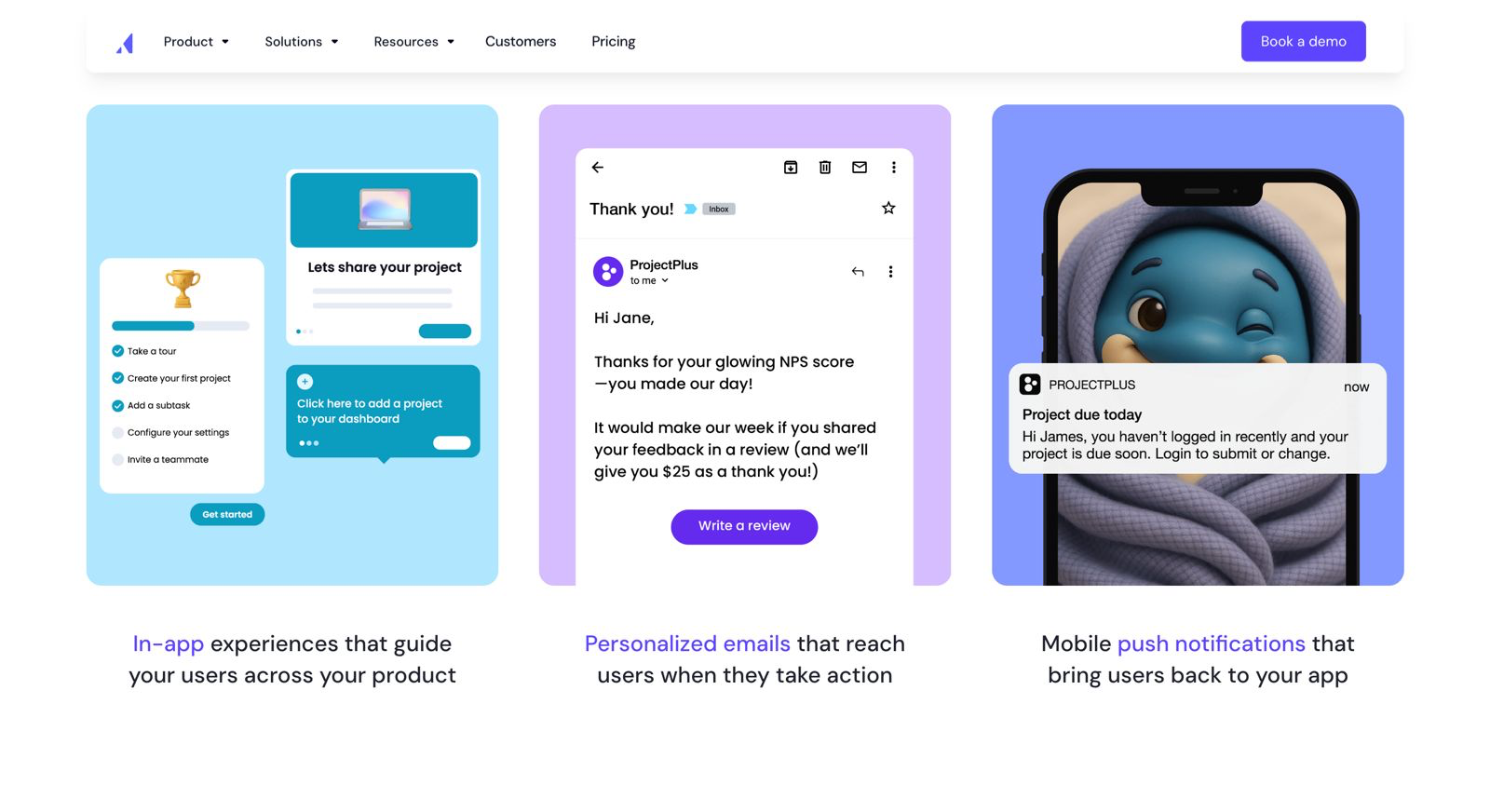
Appcues is a product adoption platform built for web apps. It's all about guiding users. Teams can build structured onboarding flows using overlays, things like tooltips, modals, and checklists, that sit right on top of the interface and give crystal-clear instructions on what someone should do next.
The guidance isn't just in-app. Appcues also handles communication through email and push notifications, letting teams engage users whether they're currently logged in or not. A broader system. Its no-code builder is the real key: it makes deploying onboarding flows incredibly fast, which is a lifesaver for any group that wants to improve activation without relying on developers.
Digia’s Edge: Depth, Control, and Real-Time Interaction
Digia's real power is how it weaves itself right into the product. It just feels native. Because all the UI components are rendered on the device itself, the onboarding experience doesn't feel like some clunky bolt-on, it's just part of how you use the app. This creates a much more natural flow for people, which is a huge deal on mobile where any little interruption can make someone give up and close the whole thing.
And it's fast. Digia can adapt the experience on the fly based on what someone is doing, which makes the entire onboarding process feel way more personal and relevant. But here's the best part: it's all server-driven, so your team can constantly try new things and make improvements without having to wait around for the next app store release. This whole setup is built for keeping people around for the long haul, not just getting them through the door.
Appcues’ Advantage: Speed, Simplicity, and Reach
Appcues stands out for its simplicity and speed. Its no-code approach allows teams to build and launch onboarding flows quickly, making it ideal for improving time-to-value in SaaS products. This ease of use reduces dependency on engineering teams and enables faster experimentation.
Its multi-channel capabilities also provide an advantage. By combining in-app experiences with email and push notifications, Appcues allows teams to maintain engagement beyond the product interface. This makes it effective for guiding users across different stages of the lifecycle, from onboarding to re-engagement.
The Real Question: Where Does Engagement Live?
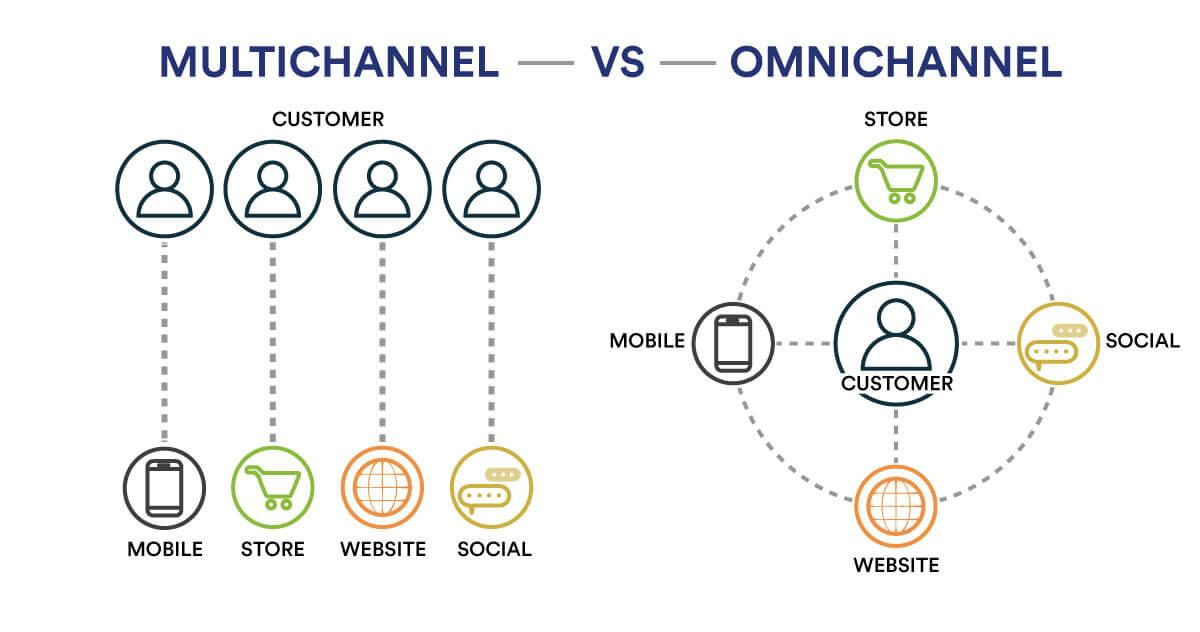
The most important difference between Digia and Appcues is where engagement takes place. Appcues operates at the interface level by adding guidance on top of the product. It helps users understand workflows and complete actions through structured instructions.
Digia operates within the product itself. It shapes how users interact with features while they are using them, influencing behavior in real time. This creates a more immersive experience where onboarding feels like part of the product rather than a separate layer.
“There is a clear difference between guiding users through a product and shaping how they experience it.”
Pricing as a Signal of Product Strategy
Pricing models often reflect how a platform is intended to be used. Appcues follows a tier-based structure based on monthly active users and feature access.
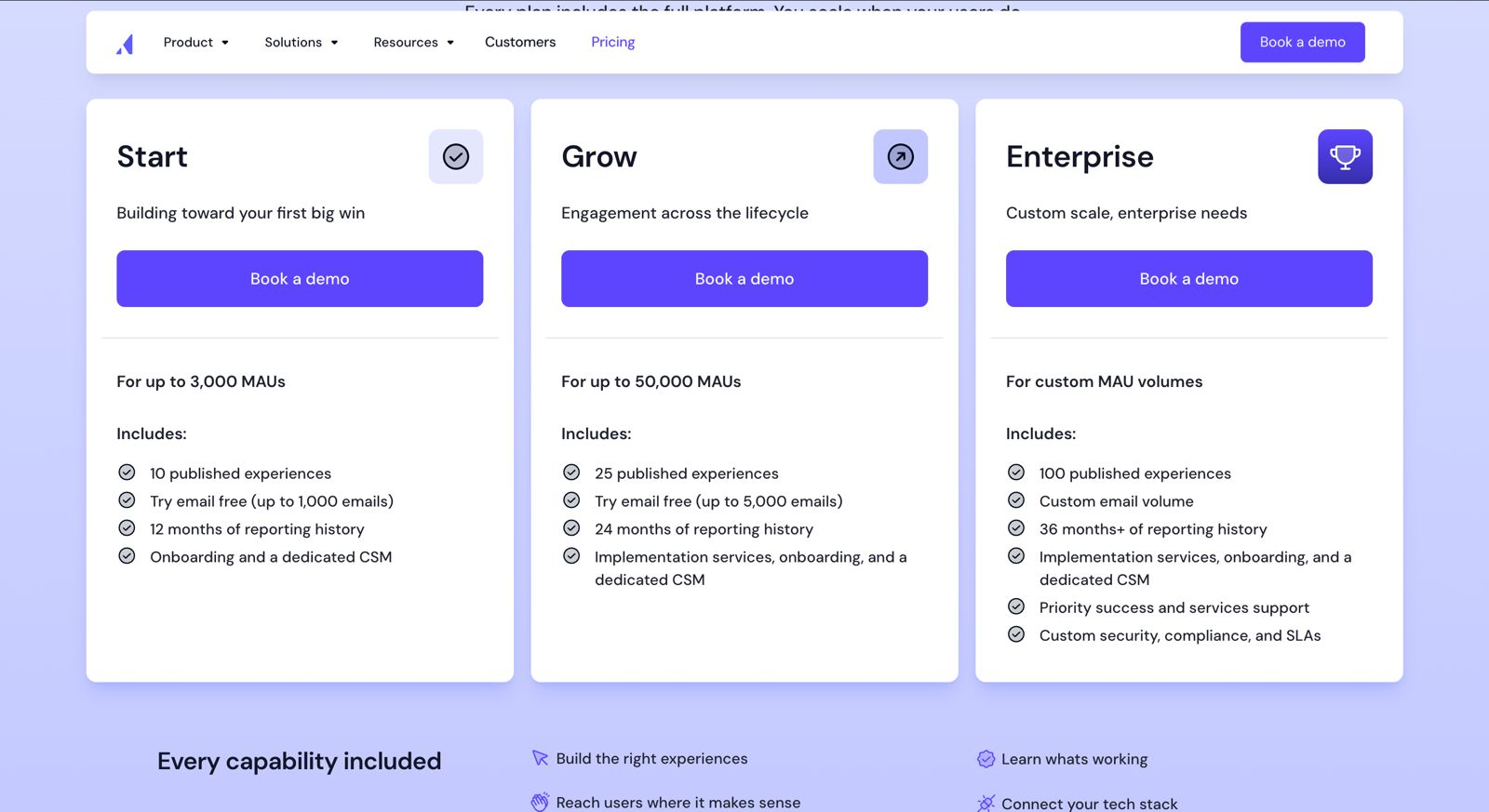
The plans scale right along with you. It's pretty simple. Packages like Start, Grow, and Enterprise grow as usage increases, which gives teams predictable costs while they work on improving onboarding and getting people activated.
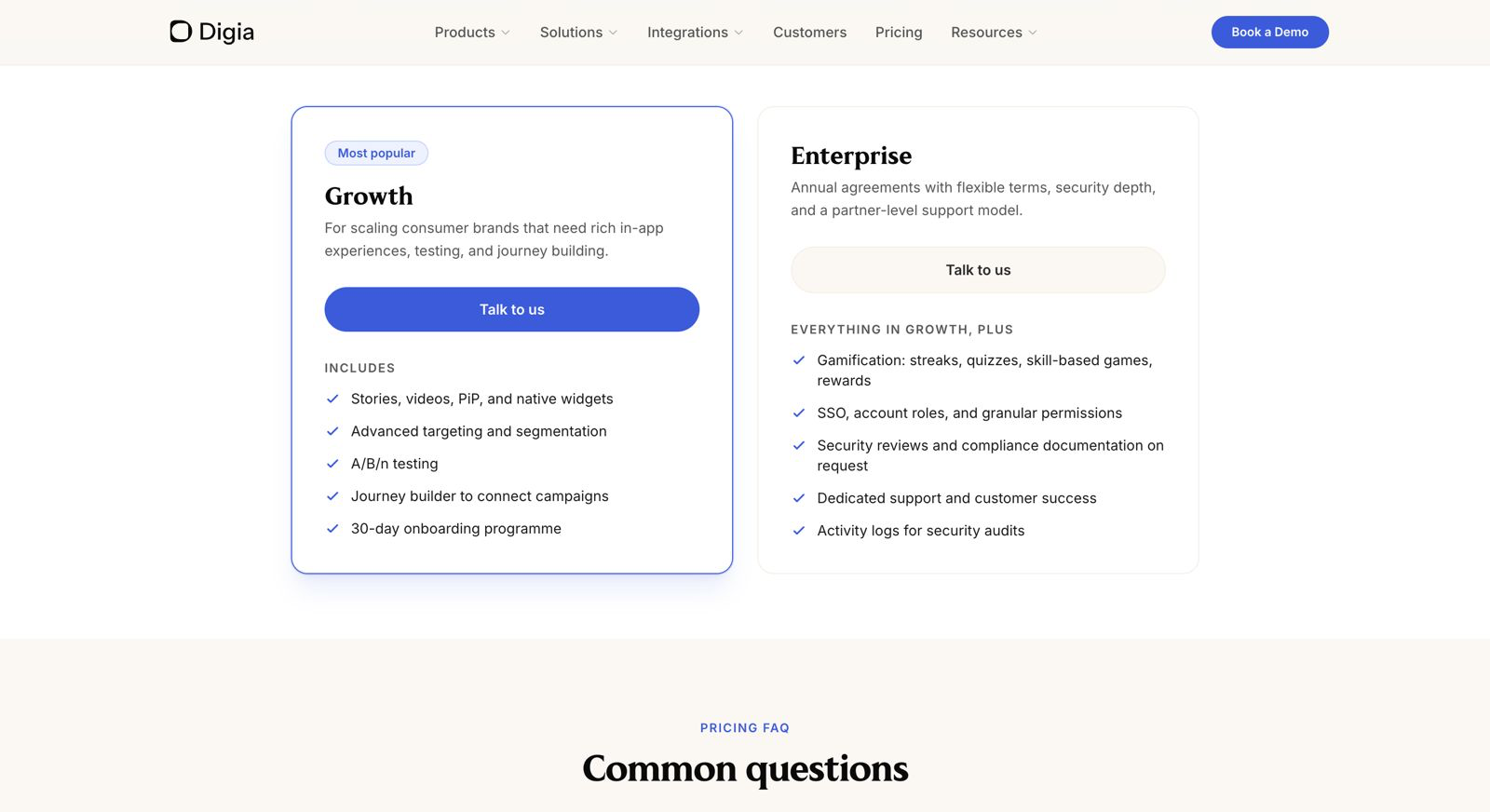
Digia is all about long-term value, not just user count. Its real impact is measured by what truly matters: things like retention, how deep a user's session goes, and their overall lifetime value. This completely shifts the focus from short-term onboarding metrics to building genuine user engagement that actually lasts over time.
“The real cost of onboarding is not implementation. It is missed engagement.”
Two Approaches to Adoption: Coverage vs Control
Appcues is all about breadth. It gives you multiple engagement channels and a suite of tools that you can get running quickly. This setup lets teams manage the entire user journey across in-app experiences, emails, and push notifications, it's basically a system for reaching people from every angle.
Digia's strength is its depth. It focuses completely on in-product interactions, helping your people influence user behavior at a granular level through native experiences that happen in real-time. The approach here prizes the quality of interaction over the sheer number of touchpoints.
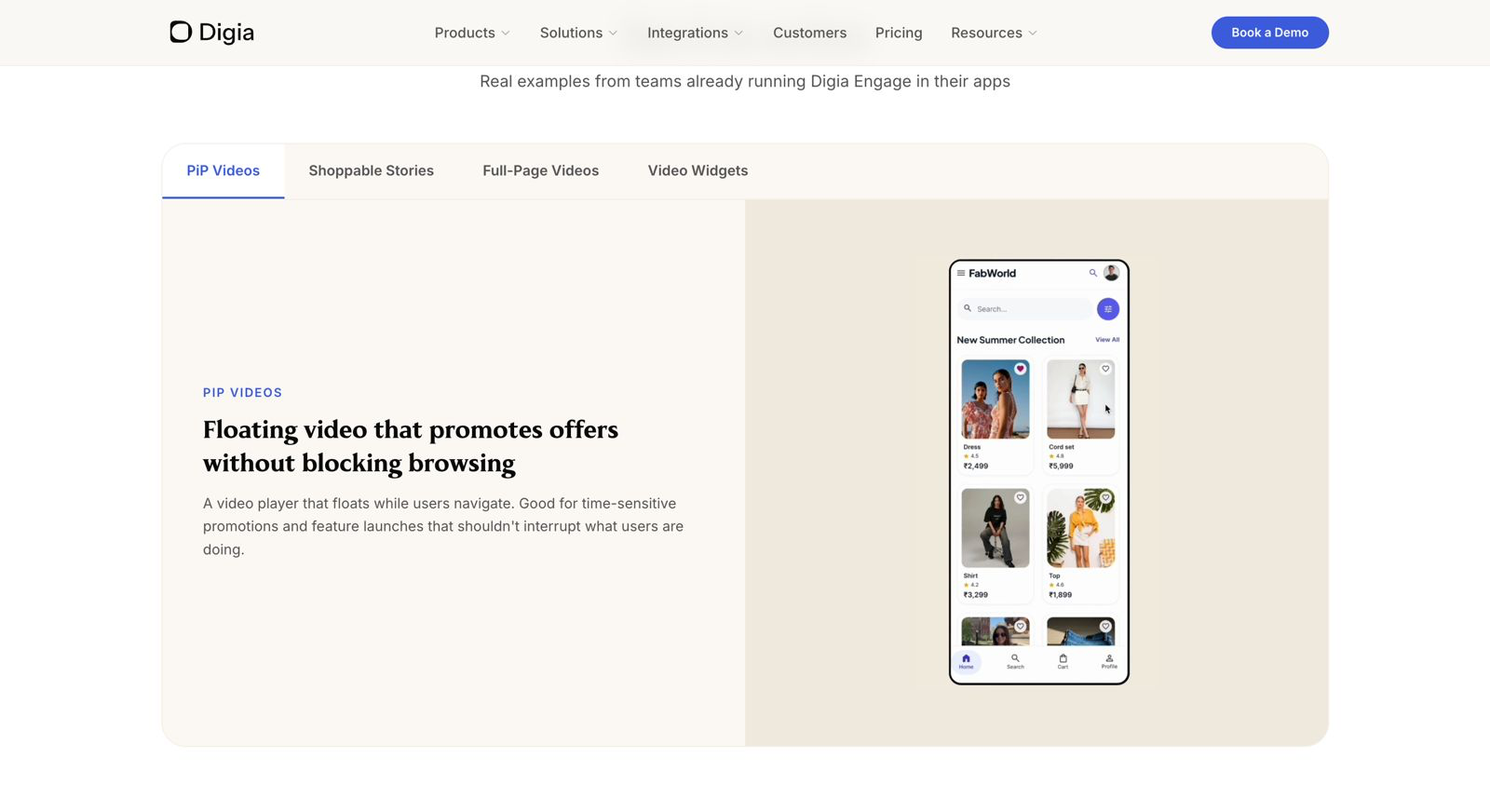
This difference highlights a broader shift in product strategy, where depth of experience is becoming as important as reach.
Integration Is Strategy: What You Control and What You Don’t
How much control you get really depends on how a platform integrates with your product. It's a big deal. Appcues, for example, uses a script-based model that basically just overlays its onboarding elements on top of your interface, which is great for a quick deployment but doesn't allow it to interact deeply with underlying product behavior.
Digia goes a different route. By using SDK integration, it can render experiences natively right inside the app, giving your teams much deeper control over both the UI and user interaction so you can influence how people navigate the product in real time.
In practical terms? Appcues helps explain the product. Digia supports shape it.
If you want to understand how each platform really handles implementation and setup, you need to go to the source, check out their official SDK documentation:
Appcues SDK Installation Guide | Digia SDK Integration
Breaking It Down: A Side-by-Side View
| Dimension | Digia | Appcues |
|---|---|---|
| Primary Strength | Behavioral influence | Guided onboarding |
| Platform Focus | Mobile-first | Web-first |
| UI Rendering | Native | Overlay |
| Real-Time Interaction | Strong | Moderate |
| Cross-Channel Messaging | Limited | Strong |
| Customization | Very high | Moderate |
| Typical Ownership | Product and growth teams | Growth and marketing teams |
| Core Engagement Model | In-product engagement | Multi-channel onboarding |
In Practice: Where the Differences Start to Matter
In the real world, the differences between Digia and Appcues aren't about one being better, it's about tradeoffs. Appcues helps teams move fast. They can launch onboarding flows and iterate without getting stuck in engineering queues, which removes a ton of friction and makes it easy to experiment. The downside? These experiences can feel a little disconnected from the actual product.
Digia, on the other hand, is built for deeper control and more immersive experiences. Your team can design interactions that actually evolve with user behavior, but this requires a real initial setup and much closer work with the engineering side. It really just boils down to a choice between speed and depth.
“Speed helps you move faster. Depth determines how meaningful the experience becomes.”
Mobile Changes the Rules of Onboarding
Mobile onboarding is a whole different ballgame. People are using apps in short bursts, dealing with constant interruptions, and they expect things to be instantly responsive. It's a chaotic environment. That's why traditional methods, you know, the long tutorials or a screen full of popups, almost always fail because they just get in the way of the user.
Getting mobile onboarding right really depends on a few key things:
- Context-aware guidance that appears at the right moment
- Minimal friction in interactions to avoid interruptions
- Native performance that feels smooth and responsive
- Personalization based on real user behavior
Digia is built around these principles, allowing onboarding to adapt dynamically to user actions. Appcues can support onboarding logic, but its overlay-based model is not inherently optimized for mobile-first interactions.
Where Each Platform Starts to Break Down
| Aspect | Digia | Appcues |
|---|---|---|
| Setup | Requires SDK and dev effort | No-code, quick setup |
| Platform | Mobile-first | Web-first |
| Experience | Deep, native integration | Overlay-based guidance |
| Flexibility | Highly customizable | Limited for complex flows |
| Channels | Mostly in-app | In-app, email, push |
| Cost | Value-based | Scales with users |
What appears as limitations are often design choices. Appcues reduces friction in getting started, while Digia reduces friction inside the experience itself. The decision ultimately depends on where teams want to invest in the user journey.
What This Means for Teams Building for Growth
The whole Digia versus Appcues debate really shows a bigger shift in how teams think about product adoption. It wasn't always this way. Onboarding used to be a one-time thing, a quick 'hello' to get people started, but now it's an ongoing system that shapes the entire user journey over months or even years.
Appcues focuses on activation and lifecycle communication. The main goal is to guide users and keep them engaged across different touchpoints, using messages to pull them back in. Digia is distinct. It's built for continuous engagement, aiming to shape user behavior directly inside the product itself.
The Bigger Picture: Choosing the Right Layer of Adoption
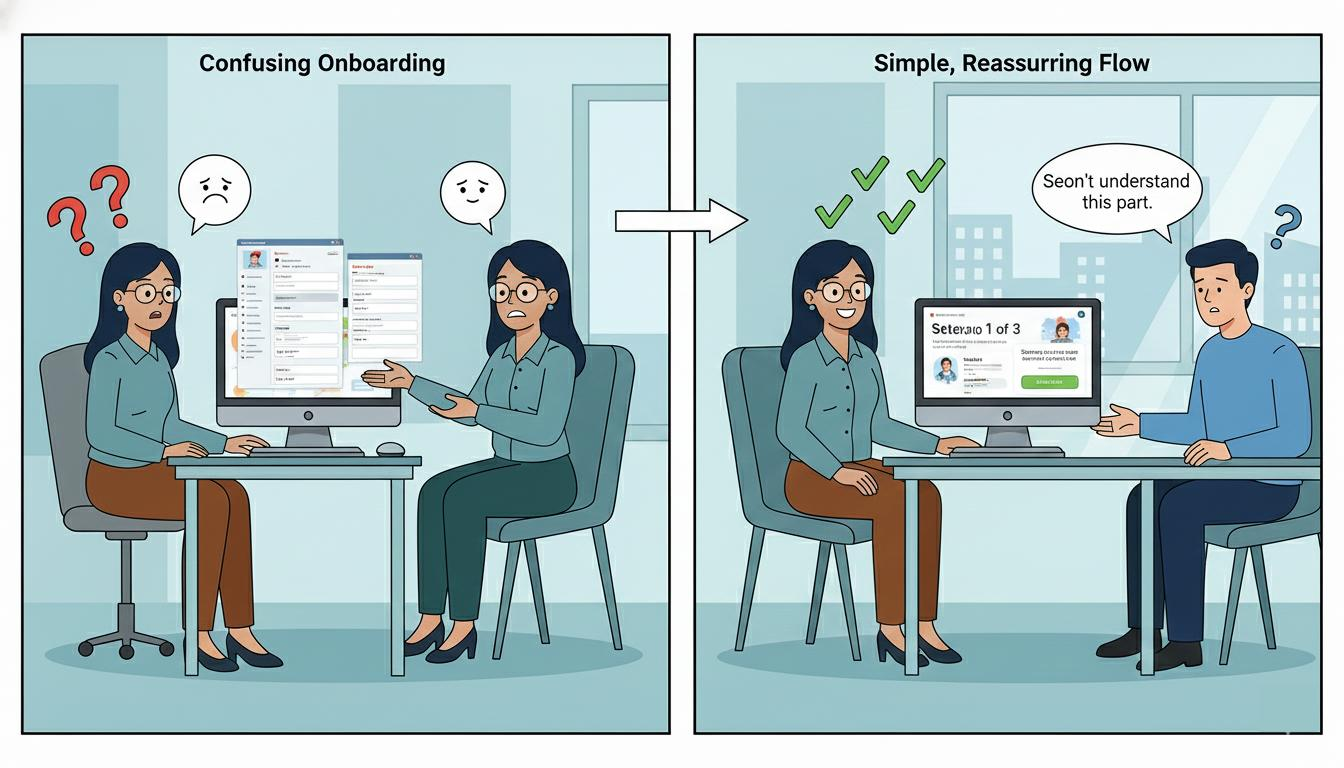
Same category, different jobs.Digia and Appcues often get lumped together, but they address completely separate layers of the product experience: Appcues guides users with structured flows and multi-channel communication. While Digia is all about shaping how someone uses the product through real-time, native interactions.
So which do you choose? The choice depends on your product's platform, user behavior, and growth goals. Teams prioritizing speed and broad communication often find Appcues is a better fit, while those who obsess over experience quality and deep engagement will get more out of Digia.
What Stands Out
- Appcues focuses on onboarding across in-app, email, and push channels
- Digia focuses on in-product engagement and behavioral influence
- The main difference is overlays versus native experience control
- Appcues is best suited for web-based SaaS products
- Digia is best suited for mobile-first products
- The tradeoff is between speed and depth of experience
Further Reading and References
- Digia vs Braze: Customer Engagement Comparison
- Appcues – How It Works (In-app, Email, Push)
- Appcues Product Overview
- Appcues Pricing Plans
- Appcues Blog – Mobile Onboarding Best Practices
- Appcues Blog – Customer Engagement Strategies
- Digia Official Website
Ready to explore which product adoption approach fits your growth strategy best?
Trying to get users up to speed? Appcues provides a fast, scalable way to guide people through onboarding flows, critical lifecycle touchpoints, and all your multi-channel communication. It's all about improving activation and helping users understand your product.
But what if you have a different goal? Digia is for shaping how users experience your product in real time, building deeper engagement with native, in-app interactions that feel like they're part of the application itself. It's a much more integrated approach, designed from the ground up for mobile.