





TL;DR: Pendo and Digia are not competing for the same job. Pendo is an analytics-first platform built for B2B SaaS product teams who need to understand how users behave inside a web app and nudge them toward adoption. Digia is an engagement-first platform built for consumer mobile app teams who need to ship behaviorally triggered experiences, gamification, and real-time nudges inside a native app without waiting on engineering.
Comparing them feature-for-feature misses this entirely. The real question is: what kind of product are you building, who is your user, and what growth outcome are you chasing?
What is Pendo?
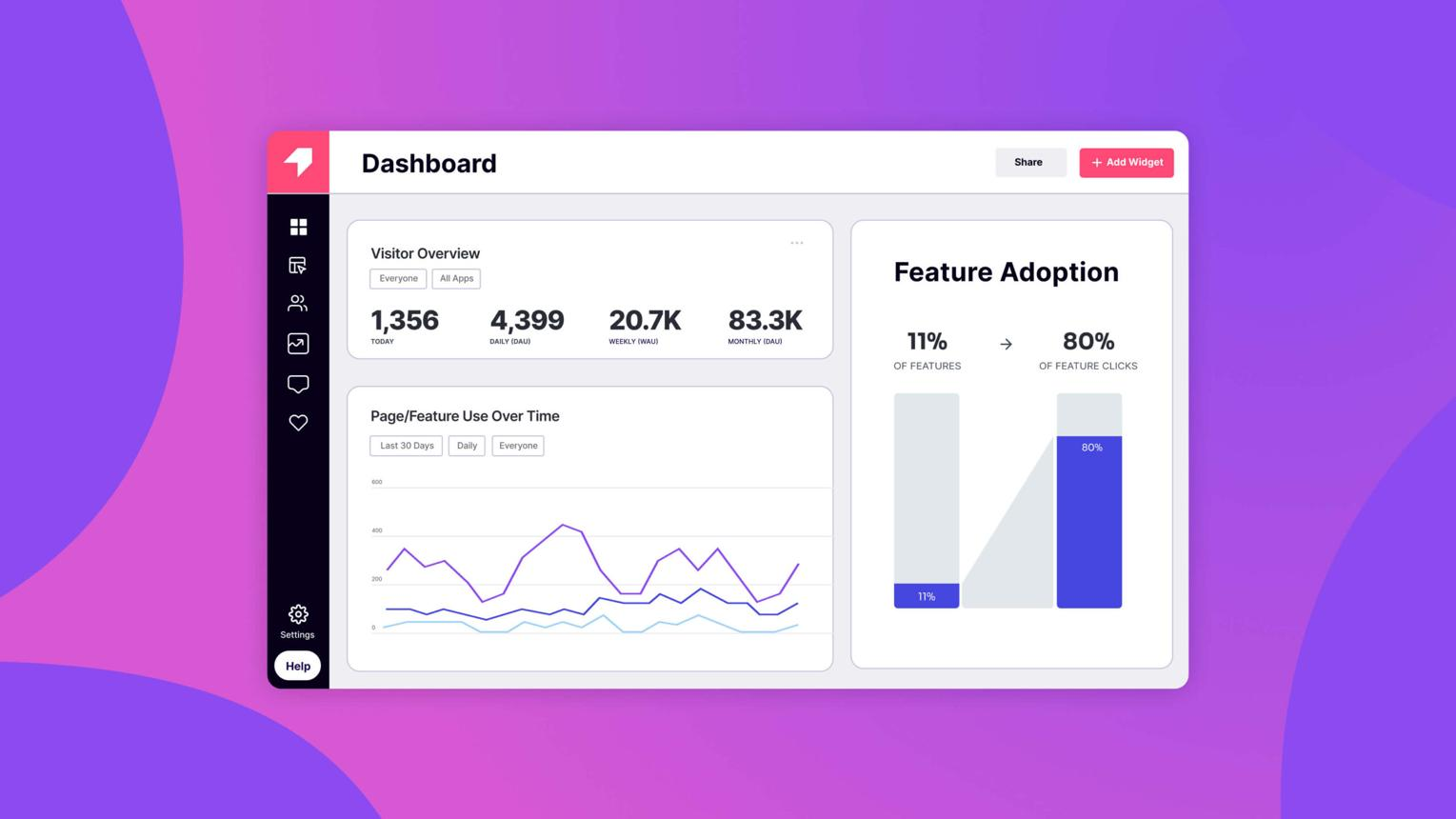
Pendo is a product experience and digital adoption platform founded in 2013 and headquartered in Raleigh, North Carolina. It was built to solve a specific problem that B2B SaaS product teams face constantly: you ship features, but you have no idea whether anyone is actually using them.
The platform combines three core capabilities. First, product analytics that track page visits, feature clicks, session behavior, funnels, and retention without requiring a custom instrumentation layer. Second, in-app guides that let non-technical teams publish tooltips, walkthroughs, modals, and banners inside a web or mobile app without a code deployment. Third, feedback collection through NPS surveys, polls, and a feedback module that connects user sentiment to product data.
Pendo's positioning has evolved considerably since its early days. The current platform also includes session replays, roadmap tools, cross-channel messaging (through its Orchestrate module), and AI-assisted guide creation. Gartner recognized the category in its 2025 Market Guide for Software Adoption Platforms, noting that embedded guidance and automation are becoming core to how product teams manage complex application portfolios.
Pendo is used predominantly by product managers, customer success teams, and product operations at mid-market and enterprise SaaS companies. Its customer list includes Salesforce, Zendesk, and hundreds of software companies. The platform has deep roots in the B2B software world, and that orientation shapes almost every product decision it makes.
What is Digia?
Digia Engage is a no-code in-app experience platform built specifically for consumer mobile apps. The core idea is simple: growth teams at mobile apps should be able to ship personalized, behaviorally triggered in-app experiences without depending on an engineering sprint for every campaign.
The platform covers five major capability areas. Nudges include tooltips, bottom sheets, persistent banners, spotlights, and step-by-step product tours that fire on real user events in under 100 milliseconds. Inline Widgets let teams drop carousels, grids, and story formats anywhere in the app and update content from a dashboard without an app release. Gamification covers scratch cards, spin-the-wheel mechanics, streak trackers, milestone badges, and interactive quizzes. In-App Videos support picture-in-picture, full-screen formats, and in-app story formats for product education and promotions. AI features handle segmentation in plain English, creative generation, and pre-launch campaign review.
Digia's architecture is built around a server-driven UI model. This means experiences, layouts, and content can be pushed to users without a formal app store release cycle. For mobile-first growth teams, this distinction matters enormously. It separates shipping a new onboarding flow from waiting for the next release window.
The platform integrates directly with CleverTap, MoEngage, and WebEngage, reusing existing segments and event data to trigger in-app experiences without building a separate data layer. Customers include Probo, Dezerv, Lokal, Wink, and Unlock.fit, mostly consumer apps in fintech, media, fitness, and e-commerce across 10+ countries.
Key Strengths of Pendo
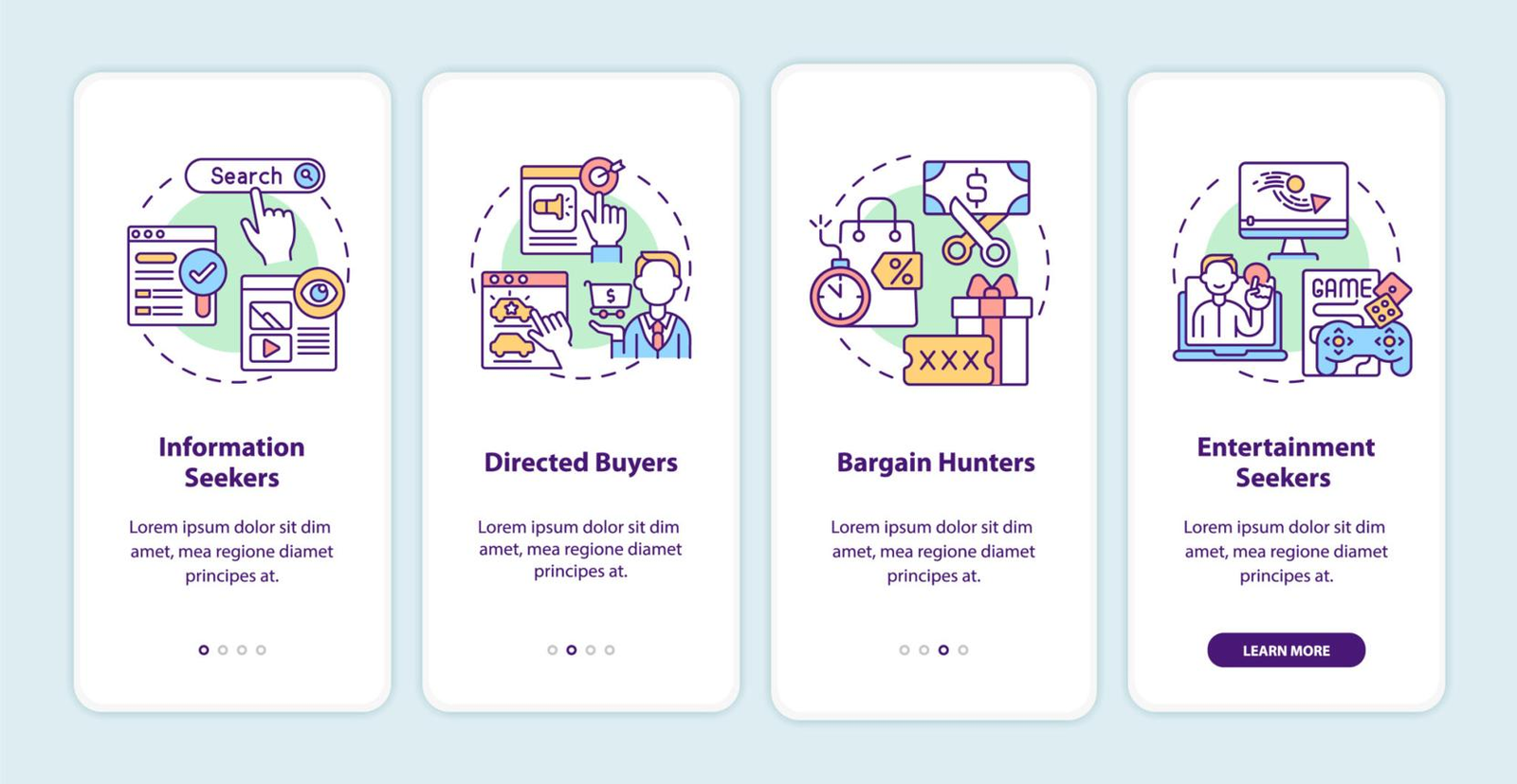
Product analytics depth. Pendo's analytics layer is genuinely strong. Automatic event tracking reduces the instrumentation burden, and the combination of feature tagging, funnel analysis, cohort retention, and session replays gives product teams a detailed picture of how users move through a product. For a SaaS PM asking "which features are actually driving retention?", Pendo provides a direct answer. This is what the platform was designed to do, and it does it well.
Behavioral targeting for SaaS guides. The guide system is mature. Teams can segment by user attributes, behavioral data, account properties, and guide interaction history, then target specific walkthroughs, tooltips, or banners to exactly the right users at the right step. For SaaS products with complex onboarding paths, this precision matters.
NPS, surveys, and feedback infrastructure. Pendo's Listen module connects user sentiment directly to product usage data. You can see that users who gave you a 4 on NPS spent most of their sessions on a particular workflow and never completed a specific feature. That kind of linkage is genuinely useful for product roadmap decisions, and most other platforms do not offer it at this depth.
Roadmap and product discovery tools. Pendo added roadmap visibility and a feature request module, which lets product teams share what they are building and collect structured input from users. This closes the loop between usage data, user sentiment, and product planning in one tool.
Enterprise governance and compliance. Multi-app support, role-based access control, data governance, and compliance infrastructure (SOC 2, GDPR) make Pendo a viable choice for large enterprise product organizations managing multiple products and complex user permission structures. As noted by Gartner, enterprise organizations need adoption platforms that handle security and governance at scale.
Key Strengths of Digia
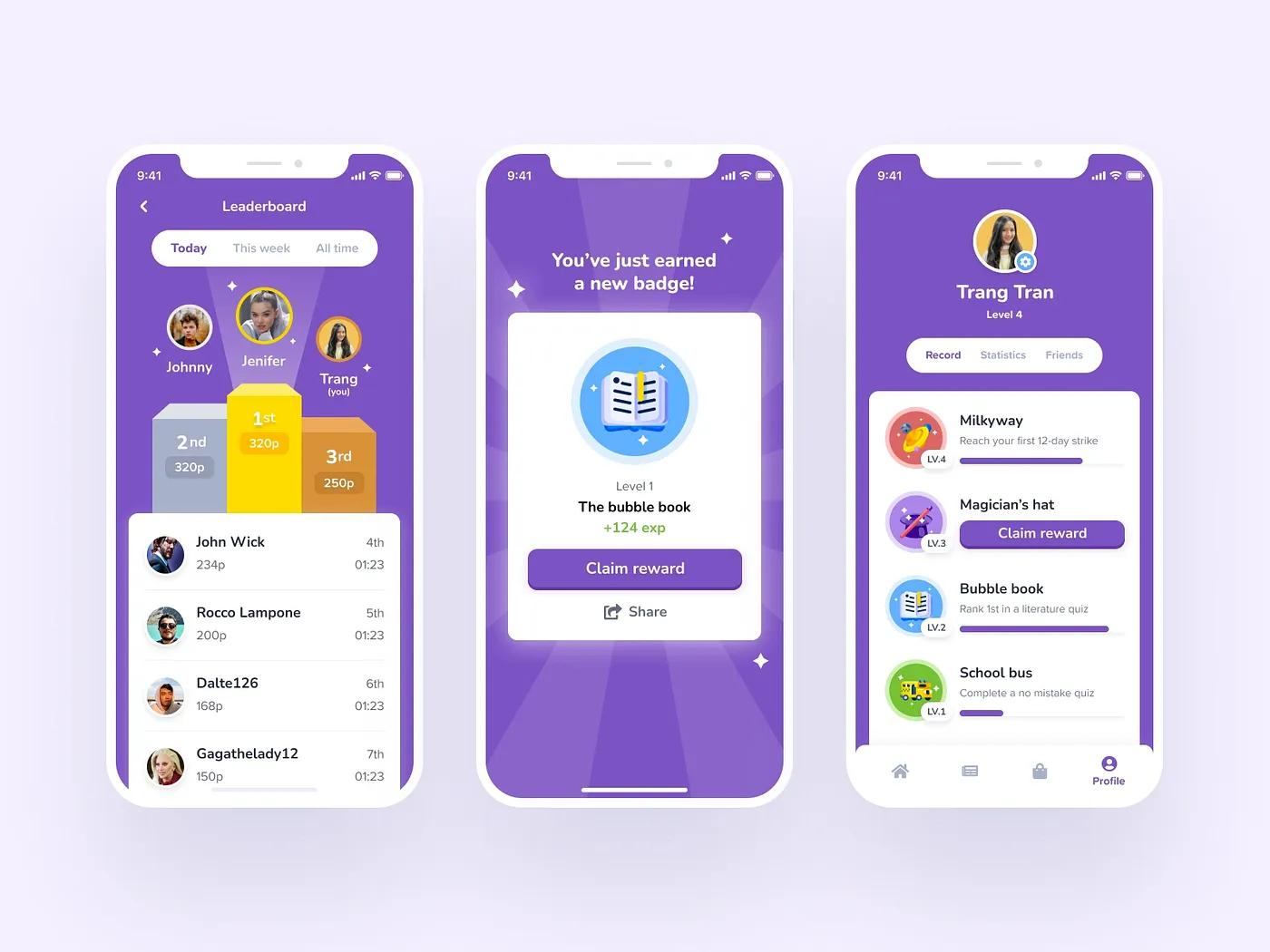
Consumer mobile engagement depth. Digia's feature set is designed around what consumer apps actually need to drive retention, not what SaaS product managers need to track adoption. Gamification mechanics like scratch cards, streaks, and spin-to-win are not afterthoughts. They are first-class features. In-app NPS surveys on Digia Engage see a 30% or higher response rate compared to a 3% baseline for email, because the context is right.
Server-driven UI without an app release. The server-driven architecture is a genuine technical differentiator. Changing an onboarding flow, updating widget content, or launching a new gamification campaign happens from a dashboard, not from an engineering sprint. Growth teams can iterate daily without opening an engineering ticket. Probo's head of growth described this directly: teams iterate on nudges and gamification daily without touching a single engineering ticket.
CEP integration without a new data stack. Digia does not try to replace CleverTap, MoEngage, or WebEngage. It plugs into them. This means the user segments, behavioral events, and cohort logic that a growth team has already built in their customer engagement platform become the trigger layer for Digia's in-app experiences. No duplicate data infrastructure, no re-instrumentation.
Sub-100ms campaign triggers. In-app experiences on Digia fire in under 100 milliseconds. Push-first platforms like CleverTap, MoEngage, and WebEngage show measurable latency on in-app delivery because their architecture was built around outbound channels. For experiences that need to feel native and immediate, this matters.
SDK weight and stability. The Digia SDK is under 2MB with a zero-crash record across all production deployments and supports native iOS, Android, React Native, and Flutter from one dashboard. For consumer apps where every additional megabyte affects download conversion, this is not a minor consideration.
Accessible pricing for growing mobile teams. Unlike Pendo's opaque, sales-gated pricing model that regularly produces quotes in the range of $15,000 to $142,000 annually for mid-market teams, Digia is positioned for growth-stage consumer apps that need enterprise-level tooling without enterprise-level procurement cycles.
The Core Difference: Analytics-Led vs. Engagement-Led
This is the argument that actually matters in this comparison.
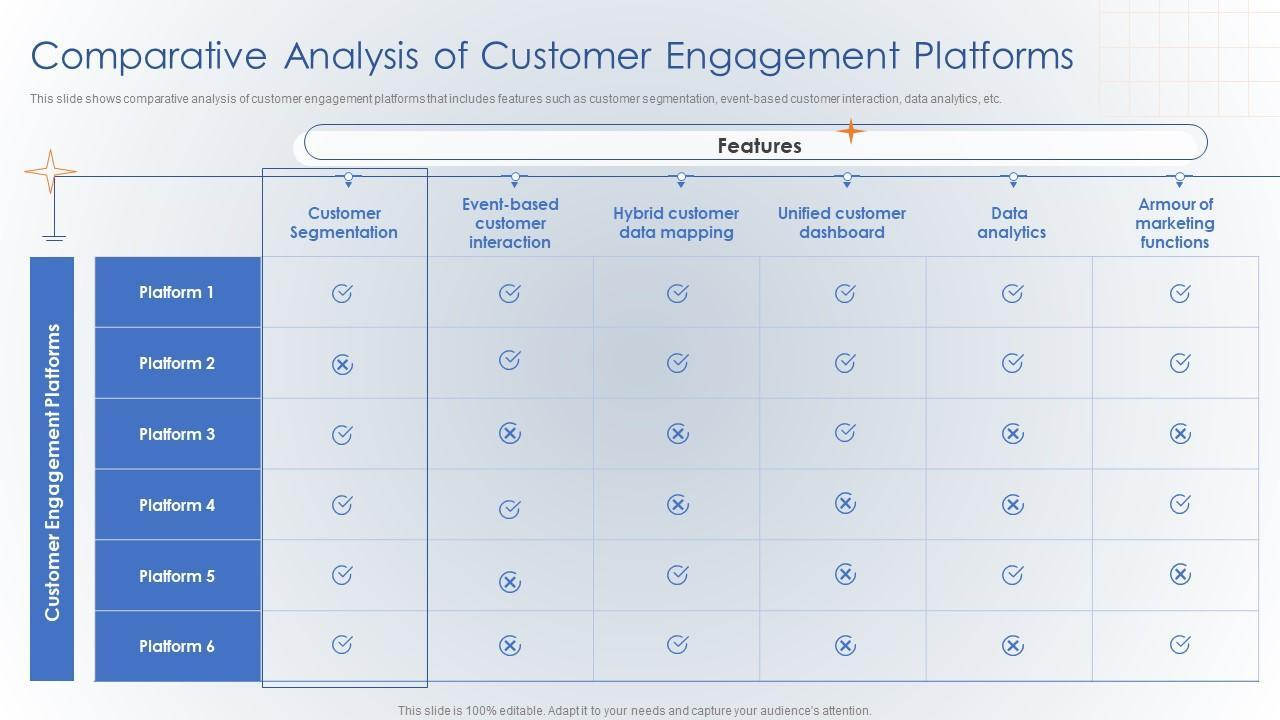
Pendo's philosophy is: understand your users deeply, then guide them based on what you know. The data is primary. Analytics answers the "what" and "why", and guides are the intervention layer on top. The whole product is built around a product team that has analytical questions and wants to act on the answers.
Digia's philosophy is: your app is the highest-attention channel you have, so your growth team should own it. Engagement is the goal. Data from your existing CEP tells you who to target, and Digia handles what they see when they open the app. The whole product is built around a growth team that has conversion and retention goals and needs to move fast without engineering dependency.
These are not small differences in product direction. They are different theories of what creates user value and where that value is created.
"Pendo helps you understand what users are doing. Digia helps you change what they do next. Both matter. But they belong to different parts of your stack."
For a B2B SaaS company, understanding the product is half the battle. Feature discovery, user activation paths, and onboarding friction in a complex SaaS product all require the kind of behavioral insight that Pendo delivers. For a consumer fintech app or a media app competing for daily active usage, the battle is about behavioral design: how do you build a habit, reward engagement, and make coming back feel worth it?
Those are different problems. They require different tools.
Pricing and Cost Structure
Pendo's pricing structure is a significant operational reality for any team evaluating it.
There is a free tier for up to 500 monthly active users, which includes basic analytics and in-app guides. Once you exceed that, every paid plan is custom-quoted through a sales process. No public pricing page, no self-serve sign-up for paid tiers. Based on Vendr's benchmarking data and community-reported figures, mid-market contracts typically land between $15,000 and $142,476 annually, with an average around $47,330 per year. Enterprise deals can go significantly higher, with some teams reporting quotes of $120,000 annually on three-year commitments.
MAU volume drives cost, and the pricing scales steeply. Teams regularly report that crossing from the Base plan to higher tiers triggers substantial price jumps even for modest MAU increases. As one Reddit user noted in a widely-cited thread, a Base plan quote of $30,000 annually for basic webhook access was common.
The pricing opacity also means your negotiating position is entirely dependent on whether you know market benchmarks before entering a sales call. According to Userorbit's analysis, teams who enter negotiations with benchmark data pay roughly 40% less than those who do not.
Digia's pricing is structured differently. Transparent plans are available at digia.tech/pricing, designed for consumer app teams that want to move fast without a multi-month procurement process. The cost structure reflects the platform's focus on growth-stage and scaling consumer apps, not just enterprise software organizations.
"The real cost of a platform is not what you pay for the license. It is what it costs to adopt it, operate it, and get value from it within your existing team structure."
For a lean mobile growth team of two to five people, the operational overhead of running a Pendo implementation, managing tagging, maintaining guide libraries, and interpreting analytics reports can become a serious drag. Digia's dashboard is designed for growth marketers and product managers to run campaigns independently, without requiring a dedicated analytics practitioner or a bi-weekly sync with data engineering.
SDK Integration and Technical Architecture
When your user opens your app, two separate things can happen simultaneously. One system can be tracking everything they do, building a behavioral profile that will inform decisions later. Another can be actively shaping what they see right now, serving a nudge, a widget, or a gamification mechanic in real time.
Pendo's SDK is built for the first job. It instruments your app to capture behavioral data, tag features, track events, and open a communication channel for guide delivery. The integration is primarily about data collection and, secondarily, about guide targeting based on that data. The guide delivery mechanism depends on Pendo's segmentation engine processing behavioral data to determine who sees what.
Digia's SDK is built for the second job. The purpose is to render in-app experiences in real time as a user is actively using the product. Experiences fire within 100ms of a triggering event because the delivery layer is optimized for that use case, not for analytics data pipelines. The SDK connects to the CEP layer for targeting logic but handles all experience delivery independently.
This difference shows up in implementation. Pendo requires careful feature tagging, which is a known friction point in user reviews across G2 and Capterra. Users consistently note that tagging can be cumbersome and requires significant manual effort, especially for complex apps with many interaction points. Digia's integration takes under 20 minutes for the SDK setup, after which growth teams run campaigns from the dashboard without additional engineering involvement.
For technical reference, Pendo's integration approach is documented at pendo.io/developer and Digia's at docs.digia.tech.
Mobile: Where the Gap Gets Obvious
Pendo's mobile offering exists, and it supports iOS, Android, React Native, and Flutter. But the mobile product has consistently received mixed reviews relative to the web product, with users citing implementation complexity, feature limitations compared to desktop, and pricing concerns specific to mobile. A Userpilot analysis from 2025 noted that Pendo Mobile often receives mixed feedback especially regarding pricing, implementation complexity, and feature limitations.
More fundamentally, Pendo's mobile SDK is designed to answer the same question its web product answers: what are users doing, and how do you guide them through a product journey? For a B2B SaaS product with a companion mobile app, that makes sense. For a consumer app where retention depends on gamification loops, streaks, in-app video, and story formats, the Pendo mobile guide system does not address the right problem.
Pendo does not offer scratch card mechanics. It does not offer spin-the-wheel. It does not offer streak tracking or milestone badges. These are not gaps because Pendo missed them. They are gaps because they are not what Pendo's audience needs. Enterprise SaaS companies do not drive user retention through gamified reward mechanics.
Consumer apps, on the other hand, do. This is exactly where Digia was built. A Plotline analysis of the best Pendo mobile alternatives explicitly identifies consumer tech companies as a group for whom Pendo is not the right fit, pointing instead to platforms with deeper UI module depth across nudges, gamification, widgets, and surveys for mobile-first consumer apps.
For platforms like Lokal, which drives daily content consumption across regional Indian audiences, or Probo, which runs daily opinion trading engagement, the metric that matters is daily active engagement. The tool you need is one that can deploy a daily streak mechanic, a scratch card reward, or a spin-to-win prompt from a dashboard in the morning and have it live in the app by afternoon. Pendo is not that tool. Digia is.
Comparison at a Glance
| Dimension | Digia | Pendo |
|---|---|---|
| Primary use case | Consumer mobile app engagement | B2B SaaS product analytics and adoption |
| Core strength | Behavioral in-app experiences without engineering | Usage analytics plus guided onboarding |
| Gamification | Scratch cards, streaks, spin-to-win, badges | Not available |
| In-app video | PiP, full-screen, story formats | Not available |
| Inline widgets | Carousels, grids, stories | Not available |
| Product analytics | Via CEP integrations | Deep, native (funnel analysis, session replays, retention) |
| NPS and feedback | Via CEP integrations | Native NPS, surveys, feedback module, roadmap tools |
| Server-driven UI | Yes, no release needed | No |
| SDK trigger speed | Under 100ms | Varies, typically higher latency |
| Pricing model | Transparent plans at digia.tech/pricing | Opaque, custom-quoted, $15K to $142K+ per year |
| Typical team | Growth + product at consumer apps | Product managers and CS at B2B SaaS |
| Onboarding to first campaign | Under 24 hours | Days to weeks for full instrumentation |
| Compliance | SOC 2, ISO 27001, GDPR | SOC 2, ISO 27001, GDPR |
How the Tradeoffs Show Up in Practice
A B2B SaaS team evaluating Pendo and Digia simultaneously is almost certainly solving the wrong problem. They are different tools for different contexts. But the tradeoffs still matter when you are working out what actually belongs in your stack.
Pendo's tradeoff is complexity at scale. The analytics depth is real, but it requires investment. Tagging features, building segments, maintaining guide libraries, and interpreting analytics data all require either a dedicated practitioner or significant time from product and data teams. Capterra reviews and G2 reviews consistently surface a steep learning curve and the manual effort required for feature tagging as key friction points. For teams that lack bandwidth for analytical depth, Pendo quickly becomes underused infrastructure.
Digia's tradeoff is breadth outside of in-app. Digia is exceptional at what it does inside the app. But it is not a product analytics suite. It does not replace your need for a Mixpanel, Amplitude, or the analytics layer inside CleverTap. If your team needs deep funnel analysis, session replays, or product roadmap tools, Digia is not that tool. It is the execution layer for in-app experiences, not the insight layer for product decisions.
"Breadth creates complexity. Focus creates constraints. The question is which type of problem you are actually trying to solve."
Pendo's pricing is a real barrier for consumer apps. The MAU-based pricing model makes logical sense for SaaS products, where user counts are manageable and the value per user is high. For consumer apps with hundreds of thousands or millions of monthly active users, Pendo's pricing scales into territory that only makes sense for enterprise software organizations. A growth team at a mid-stage consumer app will hit cost ceilings quickly.
Digia's integration with CEPs is a genuine strength, not just a positioning point. Consumer app growth teams already run CleverTap, MoEngage, or WebEngage for push, email, and SMS. Digia does not ask them to migrate away from those tools or rebuild their data pipelines. It plugs into the existing stack and adds the in-app engagement layer on top. This reduces adoption friction significantly because there is no new data instrumentation project.
Which Platform Fits Which Team
The decision framework is not particularly complicated once you strip away the overlap in terminology.
Choose Pendo if: You are a B2B SaaS company with a web-first product. Your primary growth challenge is feature adoption, user activation, or churn prevention in a complex software product. You have product managers, a customer success team, or product operations who will actively use analytics insights to guide product and guide decisions. You need NPS infrastructure, session replays, and roadmap tools in one platform. Your engineering team has bandwidth to handle thorough feature tagging and SDK instrumentation.
Choose Digia if: You are a consumer mobile app in fintech, media, fitness, e-commerce, or gaming. Your growth levers are daily active engagement, retention loops, gamification, and feature discovery inside the app. Your growth team needs to move faster than your release cycle allows. You already use CleverTap, MoEngage, or WebEngage and want to add a native in-app experience layer without rebuilding your data infrastructure. You need gamification mechanics, in-app video, story formats, or inline widgets that go beyond standard overlay guides.
Use both if: You are a large consumer technology company with both a complex product (requiring genuine analytics depth) and a high-frequency consumer app (requiring engagement mechanics and fast iteration). The two tools are not competing for the same job in your stack. Pendo answers product questions. Digia ships engagement experiences.
Final Perspective
The temptation when comparing Pendo and Digia is to line up their feature lists and declare one more complete. That framing is wrong, and acting on it will send you in the wrong direction.
Pendo was built on a specific insight: SaaS companies build features that users do not discover or adopt, and fixing that requires first understanding what is actually happening. Analytics plus guided onboarding is the right solution for that problem. Pendo is genuinely good at solving it, and years of investment in its analytics infrastructure show.
Digia was built on a different insight: mobile consumer apps need to drive daily behavioral outcomes inside the product, and doing that requires an engagement layer that moves at the speed of a growth team, not an engineering sprint. Server-driven experiences, gamification, and real-time nudges are the right solution for that problem.
Neither insight is wrong. They just apply to fundamentally different products, teams, and growth challenges. The comparison that actually helps you make a decision is not "which platform is better?" but "which growth problem am I actually solving?"
If your users are SaaS customers who need to discover and adopt features inside a complex web application, Pendo is the more appropriate tool for the job. If your users are consumers who open a mobile app daily and whose retention depends on behavioral engagement, gamification loops, and real-time personalization, Digia is the right choice.
The growth infrastructure you build should match the kind of product you are building. This comparison is, ultimately, just a reminder of that.
Key Takeaways
- Pendo and Digia solve different problems. Framing this as a feature-for-feature competition misses the fundamental difference in what each platform is designed to do.
- Pendo is analytics-first. It was built for B2B SaaS product teams who need to understand user behavior before they can guide it. The analytics layer is the product, and guides are the output.
- Digia is engagement-first. It was built for consumer mobile app growth teams who need to ship behaviorally triggered experiences fast, without engineering dependency. The experience is the product, and speed is the output.
- Gamification, in-app video, inline widgets, and server-driven UI are Digia's territory. Pendo does not offer these because its audience does not need them.
- Product analytics, NPS, session replays, and roadmap tools are Pendo's territory. Digia does not offer these because it integrates with existing CEPs that already handle behavioral data.
- Pendo's pricing is a genuine consideration. Custom-quoted plans starting from $15,000 and averaging $47,330 annually are positioned for enterprise SaaS budgets, not high-MAU consumer app growth teams.
- Digia's server-driven architecture is a genuine technical differentiator. Shipping an in-app experience without a release cycle is not a marketing claim. It is a specific technical capability that changes how fast a growth team can operate.
- The right question is not "Digia or Pendo?" The right question is "what kind of product am I building and what does my user actually need?"
Further Reading and References
- Digia vs Braze: Engagement Platform Comparison
- Digia vs Appcues: Product Adoption Comparison
- Digia Engage Documentation and SDK Integration
- Pendo Platform Overview and Product Features
- Pendo Mobile: Features and Limitations
- Vendr: Pendo Pricing Benchmarks 2026
- G2 Reviews: Pendo
- Gartner 2025 Market Guide for Software Adoption Platforms
- Featurebase: Pendo Pricing Analysis 2026
- Best Pendo Mobile Alternatives for Consumer Apps
- Digia Engage: Products Overview
Ready to See the Difference in Practice?
If you are running a consumer mobile app and your growth team is blocked by release cycles or missing the engagement mechanics that drive daily retention, explore Digia Engage or book a demo to see it in action.
If you are evaluating Pendo for a B2B SaaS product analytics use case, pendo.io provides a free tier for up to 500 MAUs to get started.