





TL;DR
- Most apps treat inter-session dropout as a notifications problem. Send more push, recover more users. That response fails at the root cause.
- The actual gap is what happens inside the app: what users leave each session with and whether it creates a reason to return before a competing app fills the time slot.
- Three mechanisms create the engagement gap. Weak last-session value means the user left with nothing concrete. No pull toward the next session means there was no unfinished loop, no progress signal, and no streak. No environmental trigger means nothing in the user's day connected to the app before a competing app got there first.
- Push notifications address the third mechanism and partially the second. They do not address the first. A push that brings a user back to a session that recreates the gap is a single-session recovery, not habit formation.
- What actually keeps users coming back is the combination of a session that delivered something concrete, a return hook planted at session exit, and a daily routine that contains a natural trigger for the next session. All three are product design outcomes, not CRM outcomes.
- The in-app patterns that close the gap are session-ending progress summaries, visible progress curves at exit, content freshness signals, micro-commitment nudges, and streak mechanics with forgiveness.
- This is a growth PM problem. The CRM team's job is to support re-engagement after the gap has opened. The growth PM's job is to close the gap before it opens.
The average person spends 4.8 hours per day inside mobile apps, yet 71% of users churn within 90 days and 25% never return after the first session. The attention is there. The loyalty is not. The gap between them is not a marketing problem. It is a product problem, and it lives in the interval between sessions.
The engagement gap is the window of time between a user closing a session and their next opening of the app, during which their intent cools and competing apps fill the void. The average smartphone user has 110 or more apps installed but opens only 9 per day. The 9 that get opened are the ones that have planted something in the user's mind that pulled them back. The 101 that did not get opened today had one thing in common: they gave the user no reason to return before a competing app, a habit, or an environmental trigger filled the time slot the app was meant to occupy.
The default response to this problem is a push notification campaign. Send a re-engagement message at Day 3, Day 7, and Day 14 of inactivity. Track open rates. Declare success when the re-engaged cohort's session count ticks up. The problem with this response is not that push notifications are ineffective. It is that they are effective at bringing users back to an app that still has the same underlying gap that caused them to stop returning in the first place.
What the Engagement Gap Actually Is
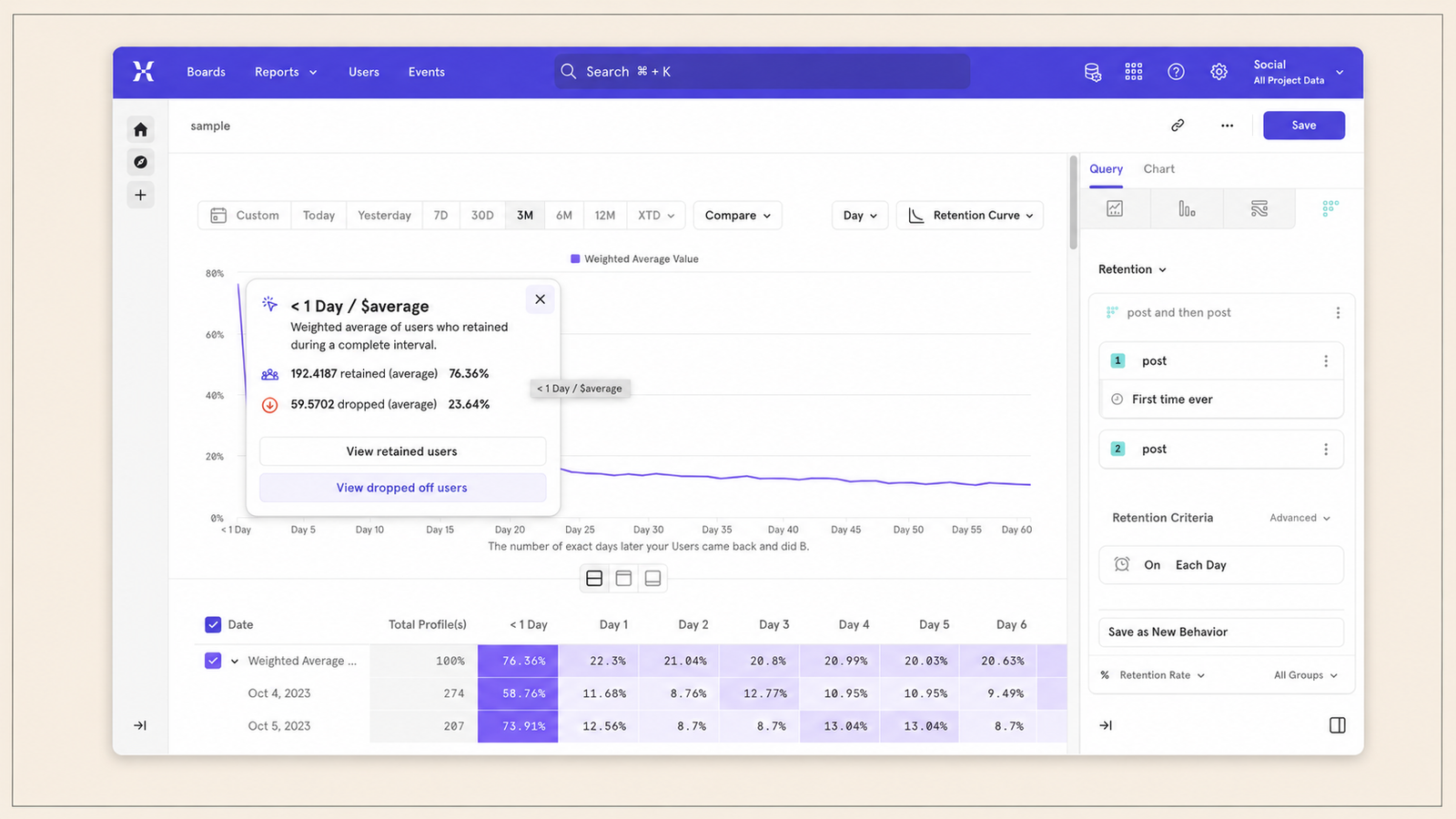
The engagement gap is not simply the time between sessions. Every app has gaps between sessions. A banking app opened weekly has a natural session interval of seven days. A news app opened hourly has a natural interval of 60 minutes. The engagement gap is when the session interval is widening beyond the app's natural use cadence, and the widening is happening because the previous session did not generate sufficient return pull.
A shortening session length paired with a widening session interval is a reliable early warning sign that users are coming back less often and staying for less time. That pattern almost always precedes a churn event. Tracking session interval at the cohort level, not as an aggregate average, reveals which segments are drifting and when the drift started. A cohort whose session interval has doubled over the past 14 days is a cohort in an engagement gap. A push campaign sent to that cohort treats the symptom. The widening interval is caused by something that happened inside the app during the sessions that preceded it.
The engagement gap has a specific texture in retention data. It is not a cliff-shaped churn event, where users disappear suddenly after a specific trigger. It is a gradual fade: sessions become less frequent, then shorter, then infrequent, then absent. By the end of the first week, roughly 90% of users who installed have already drifted or abandoned. The ones who remain are the ones for whom the app has already established a return pull strong enough to survive the gap between sessions. The ones who drifted were never given that pull inside the product.
The Three Mechanisms of Inter-Session Dropout
The engagement gap is not caused by forgetting. Users who have genuinely found value in an app do not forget it. They return to it the way they return to WhatsApp or Instagram or Swiggy: without needing a reminder, because the product has established a place in their daily pattern.
Inter-session dropout is caused by three specific mechanisms, each of which operates independently but compounds with the others when more than one is present.
Mechanism 1: Weak last-session value. The user closed the previous session without anything concrete to show for it. They browsed but did not buy. They started a lesson but did not complete it. They explored a feature but did not reach its aha moment. When a session ends without a tangible outcome, the user's evaluation of that session is neutral at best. A neutral session does not generate return pull. It generates a vague sense that the app is fine but not urgent, which is exactly the state competing apps need to displace it.
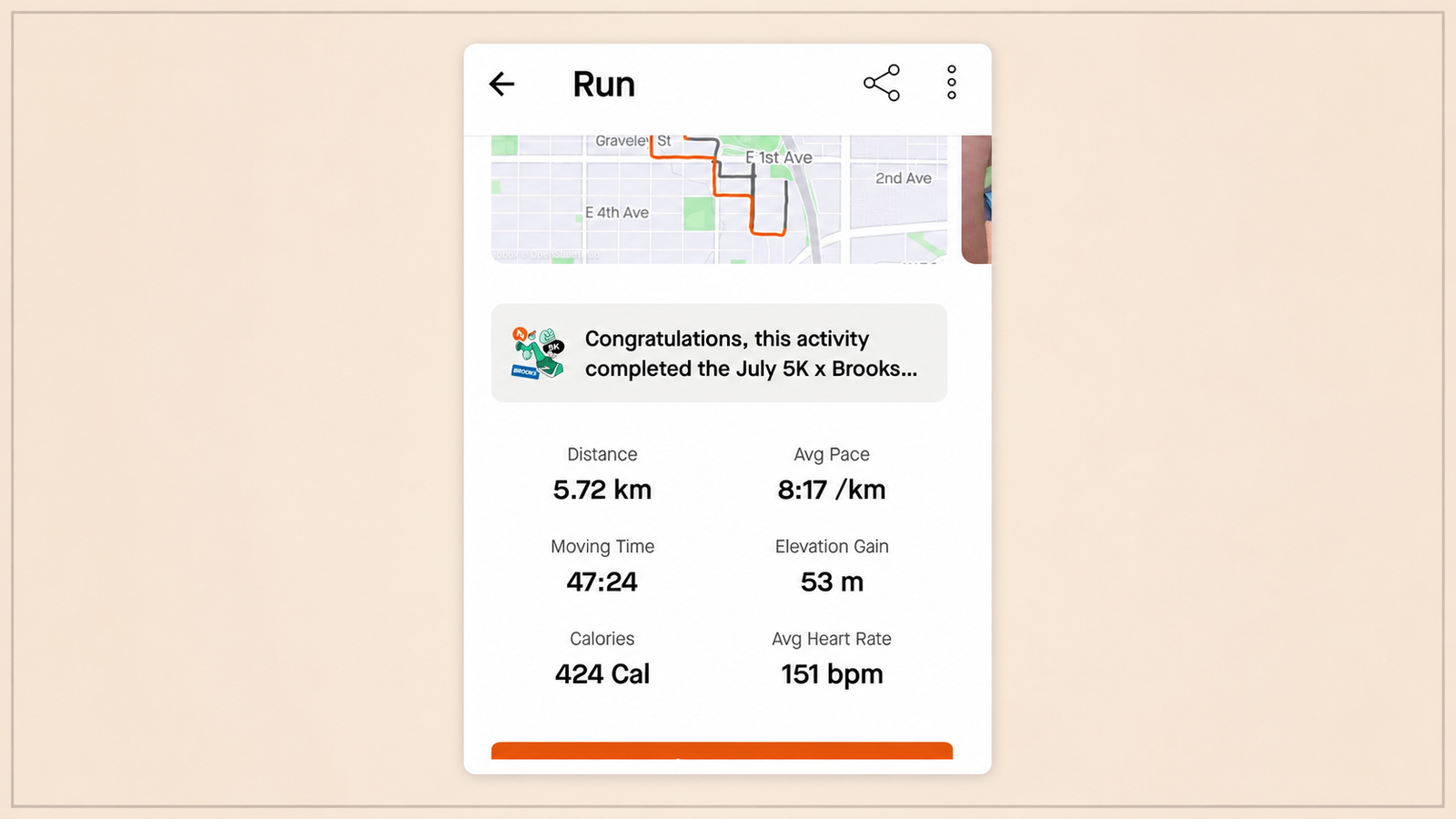
The weak last-session value problem is not about session length. A user can have a 20-minute session with weak value and a 3-minute session with strong value. The strength of session value is measured by whether the user closed the app with something they did not have when they opened it: a task completed, a piece of learning retained, a purchase confirmed, a goal advanced. Users who experience the app's core benefit within the first session are significantly more likely to return. The same principle applies to every subsequent session. Each session needs to deliver enough value that its absence would be noticed.
Mechanism 2: No pull toward the next session. The user closed the previous session with no unfinished loop, no progress signal pointing toward a future state, and no concrete reason to return before a need arises. The session was complete in a way that made the next session optional rather than anticipated.
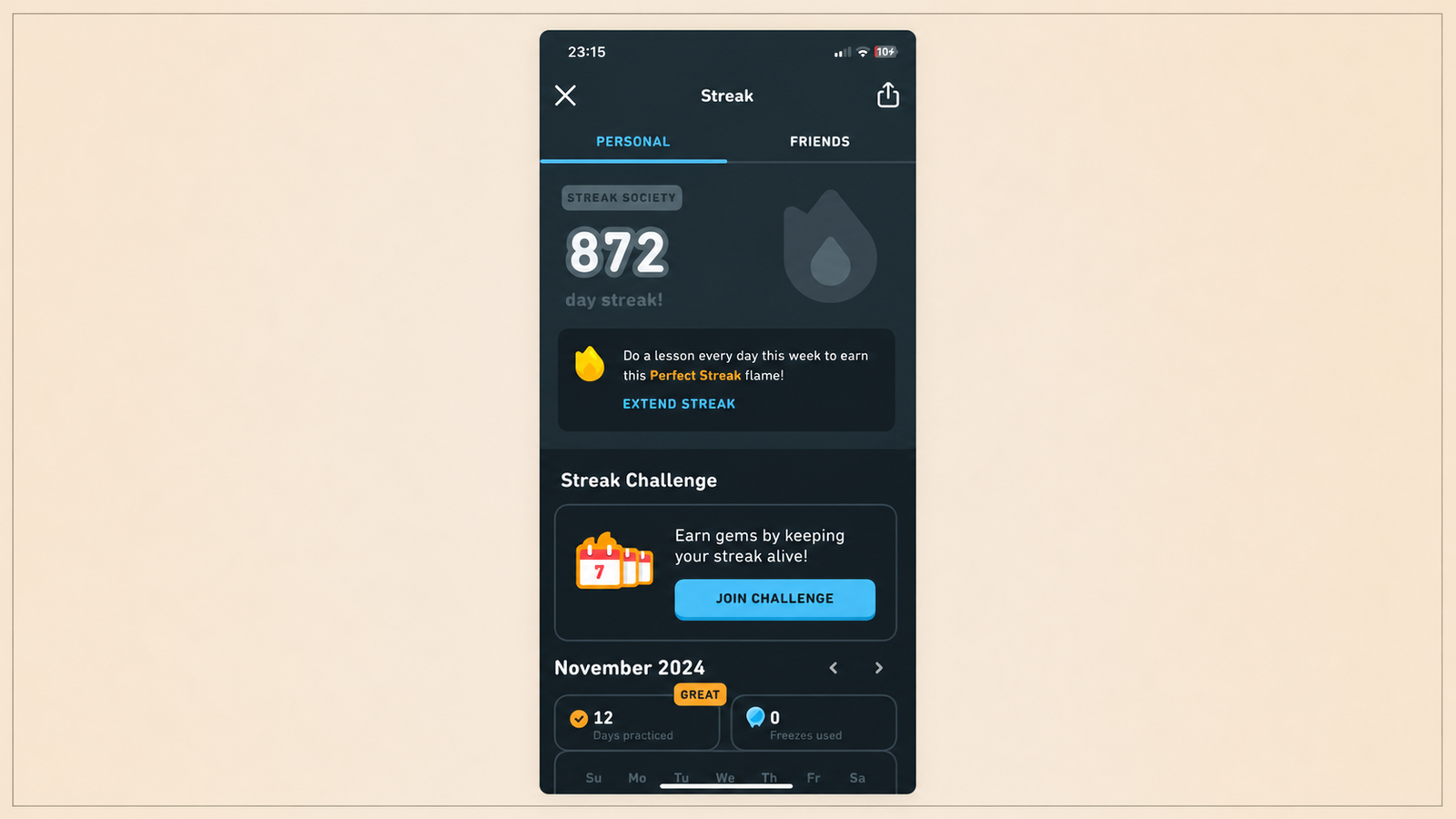
This is the mechanism that habit-forming apps solve with streak mechanics, progress indicators, and social feeds. The streak is not about gamification for its own sake. It is a return hook: closing the app with an active streak creates a reason to return tomorrow that does not depend on a new need arising. The progress indicator showing the user at 60% completion of a course creates a pull toward the 70% mark. The social feed that updates with new content between sessions creates a reason to check. Each of these is a mechanism that plants something in the user's mind at session end that has not yet resolved, and that resolution is what the next session provides.
Apps without any of these mechanisms are apps where each session is complete and self-contained. The user closed the app, nothing is pending, nothing is in motion, and the next session requires a new motivational event to trigger. Those motivational events are rare, and when they do not arise, the app drifts to the fourth or fifth page of the user's phone.
Mechanism 3: No environmental trigger. The user had sufficient intent to return but encountered nothing in their environment between sessions that activated that intent. There was no moment in their day that reminded them the app existed and connected to a need they had right then.
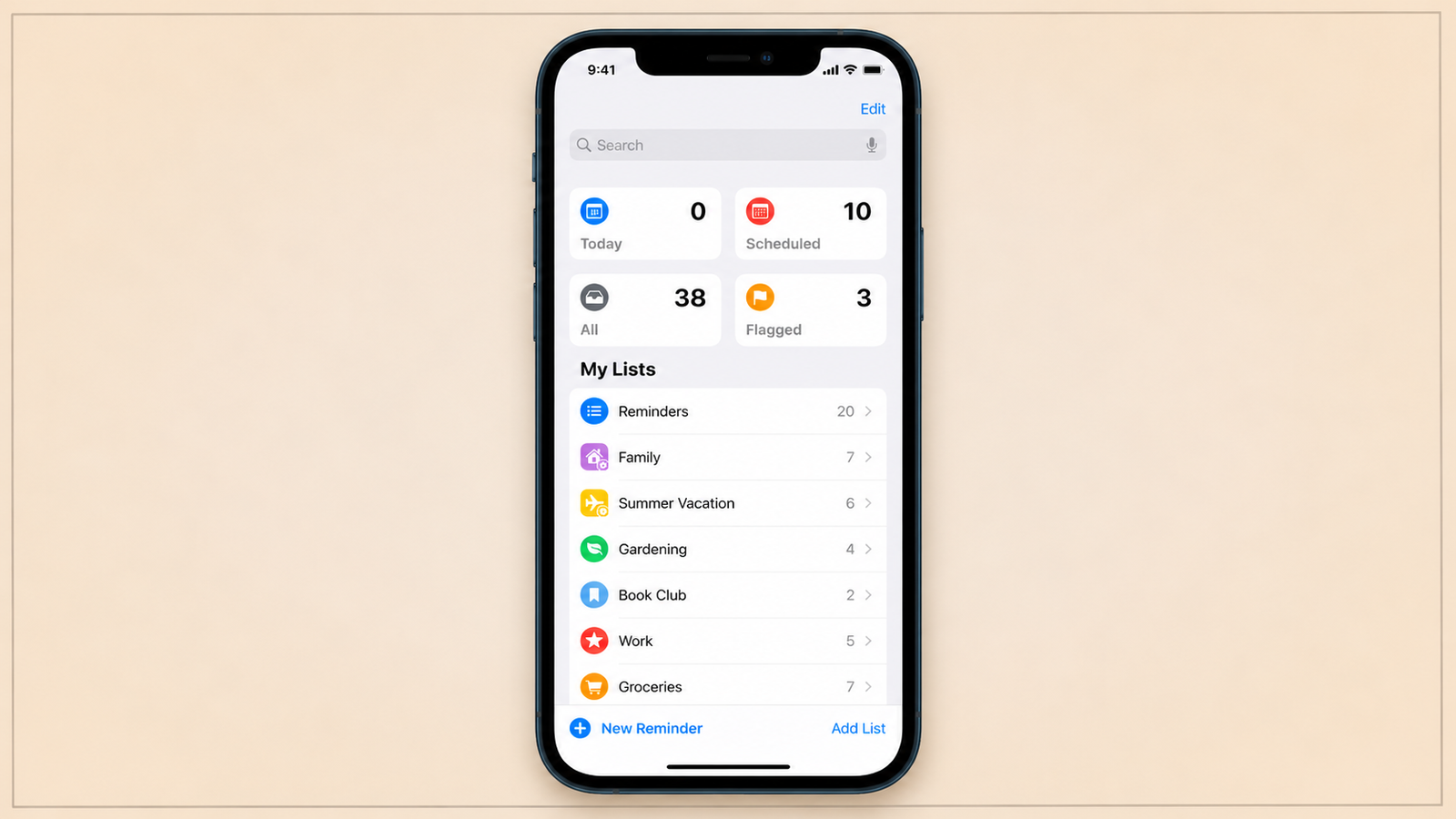
Environmental triggers are not notifications. They are natural moments in the user's day that create the context for app use: the morning commute that activates the podcast app, the meal that activates the calorie tracker, the paycheck that activates the budgeting app, the child's bedtime that activates the parenting resource app. Each of these is a contextual cue that does not require a notification because it exists in the user's environment independently of anything the app does.
Apps that have established an environmental trigger are apps that have embedded themselves in a routine. Apps that have not established one are apps that require an active decision to open every time, which is a higher barrier than most users clear consistently.
Why Push Notifications Are a Surface Fix
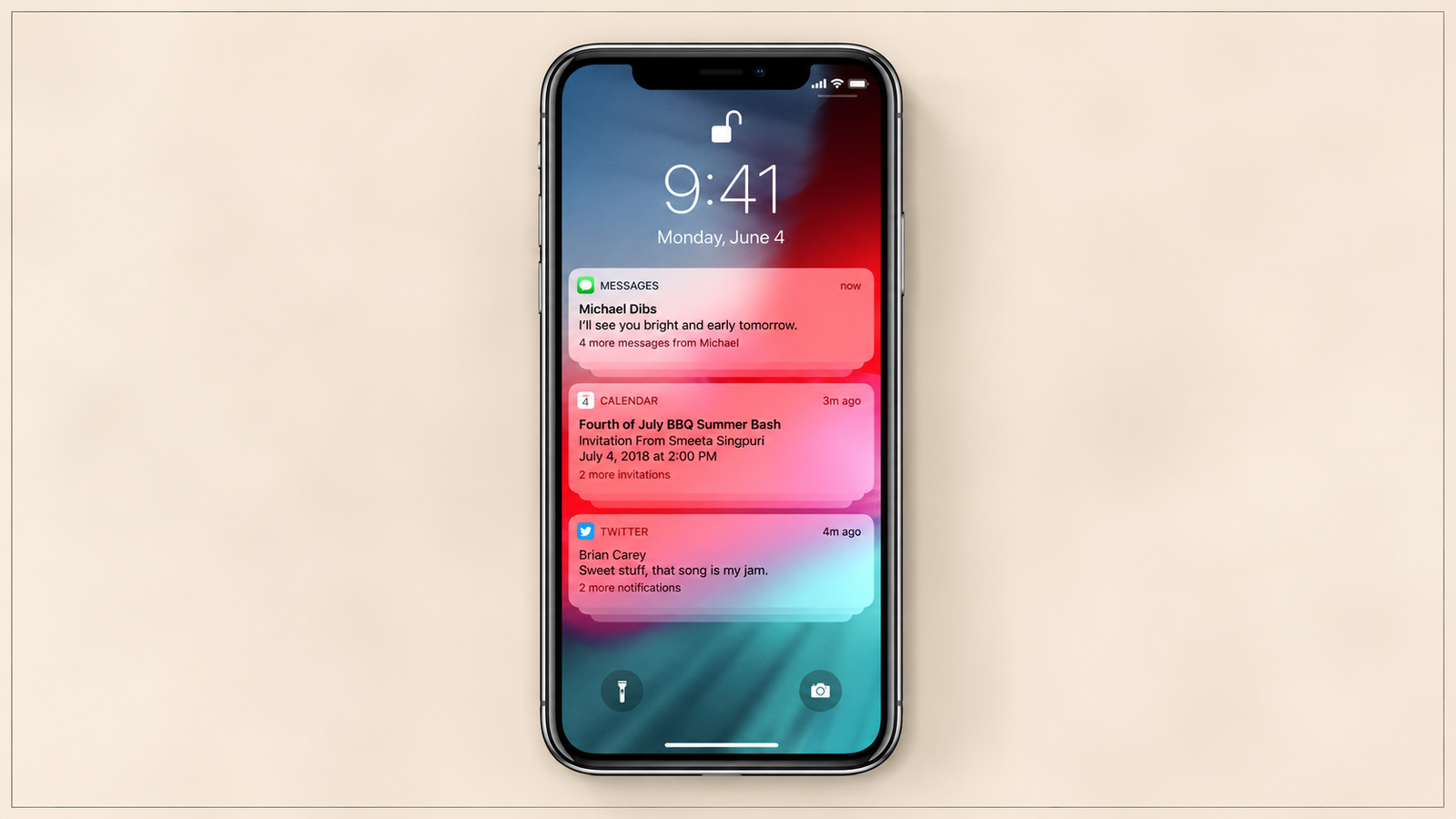
Push notifications work. The data on this is not ambiguous. Retention rates are nearly three times higher when users receive one or more push notifications in their first 90 days, compared to users who receive zero notifications. Apps that send one onboarding-related push in the first week see 71% higher retention over two months. Push notifications are a tool that, used correctly, meaningfully improves retention.
The problem is not that push notifications are ineffective. The problem is that they are being used as a substitute for product design rather than as a complement to it.
A push notification that brings a user back to an app addresses Mechanism 3 (no environmental trigger) and partially addresses Mechanism 2 (by creating a reason to open) but does nothing about Mechanism 1 (weak last-session value) or the underlying session design problem. If the session the user returns to after opening the push notification is another neutral session that ends without a tangible outcome and without a return hook, the user will not return again without another push. The retention effect of the notification is a single-session recovery, not a habit formation.
46% of users who receive more than two to five messages per week will opt out of push notifications. The teams that respond to engagement gaps by increasing push frequency are trading the short-term session recovery of the next few weeks for the permanent loss of the notification channel as a retention tool. By the time opt-out rates spike visibly in the data, weeks of fatigue have already accumulated and the notification channel has been devalued in the user's mental model of the app.
One travel client reduced push volume by 68% and increased booking attribution by 92%. The relationship between push volume and retention is not linear. At some point, additional push messages produce diminishing returns on return sessions and accelerating damage to opt-in rates. The point at which this happens is specific to each app and user base, but it is always lower than the volume that teams running engagement gap recovery campaigns typically send.
The correct use of push notifications in an engagement gap context is narrow: a contextually relevant, value-stating message that brings a user back to a session designed to close the gap, not to a session that recreates it. Push is the delivery mechanism, not the fix.
What Actually Keeps Users Coming Back
The apps that retain users across the engagement gap without relying on notification volume have three things in common: the last session delivered something concrete, the session end planted a reason to return, and the user's day contains a natural moment that activates their intent to come back.
Value from the last session. A user who completed a workout and saw their personal best broken leaves the fitness app with something they did not have before. A user who completed a transaction in a fintech app and saw their savings balance update leaves with a progress signal. A user who completed a level in a gaming app leaves with a sense of advancement. These are not abstract value concepts. They are specific, visible outcomes that the user can point to as the result of having opened the app.
Designing sessions for tangible outcomes rather than for engagement time requires a different product philosophy. It asks not "how do we keep users in the app longer?" but "what can the user leave with that they could not have without the session?" The session exit state is as important as the session entry state, and most apps spend almost no design effort on it.
A credible reason to return. The return hook is the mechanism that plants an unresolved loop at session end. It does not have to be complex. Duolingo's streak mechanic is one of the simplest and most effective return hooks ever built into a product: the user who closes the app with a 15-day streak has a stronger reason to open it tomorrow than anything a push notification could create. The streak is the unresolved loop. Tomorrow's session resolves it for one more day.
Progress indicators that are visible at session exit serve the same function at a simpler level. A user who sees "72% complete" on a course or a savings goal or a profile setup when they close the app has a concrete next state to move toward. The incompleteness is the hook. The next session is what moves the indicator forward.
Content freshness is a return hook for content apps. A user who knows the feed will contain new content they have not yet seen has a reason to check. The freshness has to be real: a feed that shows the same recommended articles on three consecutive visits has failed at the freshness promise regardless of how many new items exist in the catalogue.
A trigger they encounter organically. The most durable return triggers are the ones the product does not create. They are the moments in the user's existing routine that the app has learned to inhabit. A meditation app that has become part of a user's morning routine does not need to send a morning notification. The routine is the trigger. The app's job is to have embedded itself in that routine during the sessions that preceded the gap.
Embedding in a routine is a product design goal, not a notification strategy. It requires identifying which daily moment contains the need the app addresses, designing the first-session experience to establish that the app belongs in that moment, and building the session cadence around it. A fintech app whose core use case is checking account balance in the morning should have a home screen that loads the balance immediately, with no friction between app open and the information the user came for. If the balance check takes three taps, the routine slot will be filled by the bank's own app instead.
The In-App Design Patterns That Close the Gap
Several specific design patterns create return pull at session end. Each one addresses one of the three mechanisms of inter-session dropout.
Session-ending progress summaries. An in-app card that appears when the user signals they are finishing a session, summarising what they accomplished and pointing toward what comes next. Not a generic "Great job!" screen. A specific summary: "You analysed 3 funds today. Your SIP is on track at 82% of your monthly goal." Then: "Next: review your portfolio performance since your last transaction." This pattern addresses Mechanism 1 by making the session's value explicit and addresses Mechanism 2 by pointing toward the next session's objective.
Visible progress curves at session exit. A progress indicator that shows the user where they are relative to a goal, visible at the natural session exit point (the home screen, the account summary, the dashboard). The indicator should show both current state and next milestone, making the gap between them visible. Research on progress mechanics shows that users are significantly more likely to complete goals when they can see how close they are to the next milestone. Showing the next milestone at session exit turns session completion into a prompt for the next session.
Content freshness signals. For content apps, a badge or signal at session exit that previews what will be new the next time the user opens the app. "New content arrives tomorrow at 7 AM" is a return hook that sets an expectation. It is more effective than a push notification at 7 AM the next day because it is delivered at a moment when the user has just experienced the value of the current session and is receptive to the promise of more.
Micro-commitment nudges. A prompt at session end that invites the user to make a small commitment toward the next session. "Set a reminder for your next workout" or "Schedule your next SIP check-in" or "Mark your next lesson" are micro-commitments that activate the planning fallacy in reverse: the user who has made an explicit plan is more likely to follow through than the user who has not. Research on implementation intentions, specific when, where, and how plans, shows they significantly increase goal completion rates compared to general intentions alone.
Streak and loss-aversion mechanics. Streak mechanics work for inter-session dropout because they change the decision calculus at the session gap. Without a streak, the question is "do I feel like opening the app today?" With a streak, the question is "do I want to lose my 14-day streak?" These questions are answered differently by most users because loss aversion is a more powerful motivator than positive intention. The streak must be paired with a forgiveness mechanic (a streak freeze or recovery option) to prevent the shame response that produces permanent abandonment when the streak breaks. This is covered in detail in the EdTech engagement article and the gamification guide.
Why This Belongs to the Growth PM, Not the CRM Team
The engagement gap is a product problem dressed up as a marketing problem. The reason it gets assigned to the CRM team is that the symptom (users not returning) looks like a communication problem (the user needs to be reminded). The cause (sessions that do not generate return pull) is a product design problem.
CRM teams have access to one lever for closing the engagement gap: communication channels (push, email, SMS, in-app messages). Communication channels can deliver reminders and re-engagement prompts. They cannot change what happens inside the app during a session. They cannot make the session exit state more compelling. They cannot plant return hooks in the product experience. They can only ask users to come back. The product has to give them a reason.
The engagement gap is a session design problem that manifests as a retention metric problem. The growth PM owns session design, feature adoption, and the in-app experience between session start and session exit. The CRM team owns the communication layer that supports re-engagement after the gap has already opened. The growth PM's job is to close the gap before the CRM team needs to step in. When the CRM team is doing the primary work of retention, the product design has not closed the gap at its source.
The practical implication: teams that have a strong in-app engagement investment alongside their push notification strategy see compounding retention effects. Apps that send onboarding messages earn 24% higher install-to-purchase conversion rates, but the onboarding message performs better because the product experience it sends users back into is designed to close the gap. A push notification sent into a well-designed product is retention. A push notification sent into a product that recreates the engagement gap is a short-term session recovery that costs more each time it needs to be repeated.
The Diagnostic: How to Tell Which Mechanism Is Driving Your Gap
Before choosing an intervention, identify which of the three mechanisms is primarily responsible for the engagement gap in your specific app.
If session interval is widening but session length is stable: The user is returning at a lower frequency but engaging when they do. This is Mechanism 2 (no pull toward the next session). The sessions are valuable but not creating a reason to return before the user's motivation naturally rises again. The fix is in return hooks at session exit: progress indicators, micro-commitments, streak mechanics, content freshness signals.
If session length is shortening alongside session interval widening: The user is returning less often and staying for less time when they do. This is Mechanism 1 (weak last-session value). The sessions are not delivering enough to sustain engagement. The fix is in session design: compressing the path to the session's core value moment, ensuring each session has a completable goal, redesigning the exit state to surface what was accomplished.
If session interval is widening but neither session length nor engagement quality has changed: The user's use cadence was disrupted by an external event (a life change, a competing app adoption, a seasonal shift) and has not re-established. This is Mechanism 3 (no environmental trigger). The fix is in trigger establishment: identifying which daily moment contains the need the app addresses and designing re-entry campaigns that connect the app to that moment explicitly.
Session interval, session length, and return rate tracked together at the cohort level give the diagnostic picture that no individual metric provides on its own. The combination is more informative than any single number. A team that tracks only Day-7 retention is measuring the outcome of the engagement gap, not its mechanism.
Topics Not in the Brief That Teams Should Know
The last-screen problem. The screen the user sees when they close the app has a disproportionate influence on return intent. In UX research, the peak-end rule, the principle that people evaluate experiences primarily based on their emotional peak and their final moment, means that the session's last screen is one of the most powerful design surfaces available for planting return intent. Most apps treat session exit as a non-event. The home screen the user returns to before closing is not designed to create return pull. It is designed for session entry. Dedicating design attention to the exit state is a high-value, low-investment intervention.
The network effects of social return hooks. Social features change the nature of inter-session pull from intrinsic (I want to improve) to relational (someone else will notice if I do not return). A user whose friend completed a challenge in the fitness app has a social reason to match it. A user whose peer cohort in an edtech app has moved ahead on the leaderboard has a competitive reason to return. Social return hooks are more durable than streak mechanics because they are generated by other users rather than by the product itself, which means they do not fade when the novelty of the mechanic does.
Session frequency versus session depth as complementary targets. Most retention discussions focus on session frequency (how often users return). Session depth (how many meaningful actions they complete per session) is the complementary metric that determines what the user leaves each session with. A product that improves session frequency without improving session depth is bringing users back to sessions that are not valuable enough to sustain the habit. The sustainable path is improving session depth first, which builds the value signal that motivates increased session frequency organically.
The re-engagement window after the gap opens. Once a session gap has extended beyond the app's natural cadence, the probability of organic return decreases non-linearly. Re-engagement sequences targeting lapsed users at Day 3, Day 7, and Day 14 of inactivity recover a measurable cohort that would otherwise churn permanently, but the copy framing at each interval must shift: from reminder at Day 3 to value-restatement at Day 7 to explicit win-back at Day 14. The user's relationship with the app changes at each interval, and the communication has to reflect that change. A Day-14 lapsed user receiving a Day-3 reminder message is a user who perceives the app as out of touch with their actual relationship with it.
Key Takeaways
The engagement gap is the interval between sessions where user intent cools and competing apps fill the void. It is not a notifications problem. It is a product design problem that manifests as a retention metric problem.
The three mechanisms that create the engagement gap are weak last-session value (the user left with nothing concrete), no pull toward the next session (no unfinished loop, no progress signal), and no environmental trigger (nothing in their day reminded them to return before a competing app did). Each requires a different fix.
Push notifications address the third mechanism and partially address the second. They do not address the first. Teams that respond to engagement gaps by increasing push frequency are treating a product design problem with a marketing tool, which produces short-term session recovery and long-term notification channel degradation.
What actually keeps users coming back is the combination of a session that delivered something concrete, a return hook planted at session exit, and a daily routine that contains a natural trigger for the next session. All three of these are product design outcomes, not CRM outcomes.
The in-app design patterns that close the gap are session-ending progress summaries, visible progress curves at exit, content freshness signals, micro-commitment nudges, and streak mechanics with forgiveness. Each one plants something at session end that the next session resolves.
The diagnostic runs on three metrics tracked together at the cohort level: session interval, session length, and return rate. Each combination of movements points to a different mechanism and a different fix.
This is a growth PM problem. The CRM team's job is to support re-engagement after the gap has opened. The growth PM's job is to close the gap before it opens.
Further Reading
From Digia Engage:
- Mobile App Retention Rate: What It Is and What's Pulling It Down — the D1, D7, and D30 retention framework that the engagement gap feeds into
- EdTech App Engagement: Why 85% of Learners Abandon Before Week 3 — the learning loop as a specific application of the engagement gap mechanisms
- Gamification in Mobile Apps: Streaks, Rewards, and Retention Mechanics — the streak and forgiveness mechanic architecture for return hook design
- How to Increase Feature Adoption in Mobile Apps: A 6-Step Framework — the activation sequence that builds session depth before the engagement gap opens
- When NOT to Show a Nudge: Building a Suppression Logic — the suppression framework that prevents re-engagement nudges from becoming the notification fatigue that damages the push channel
- In-App Surveys: How to Get a 30% Response Rate — collecting session-end feedback at the highest-receptivity moment to understand what users left the session with
External Sources:
- Mobile App Trends Driving User Engagement in 2025 — Stremeline Digital (4.8 hours daily app usage; 71% churn within 90 days; 25% never return after first session; push volume reduction case study producing 92% booking attribution lift)
- Mobile App Engagement Metrics: What to Track and Why — Insider One (session interval as an early warning metric; shortening session length plus widening session interval as a churn precursor pattern; cohort-level tracking versus aggregate averages)
- Mobile App Engagement Metrics to Track in 2026 — Adapty (core benefit in first session predicts return; habit loop design for session frequency)
- Why Do Users Abandon Apps After One Session? — We Are Affective (77% of users abandon within 3 days; 90% within the first week; expectation gap as a primary dropout driver)
- 50+ Push Notification Statistics for 2025 — MobiLoud (Airship 63M user study; 3x retention for push-enabled users; 71% retention lift from one onboarding push; 46% opt-out from 2 to 5 messages per week)
- Push Notification Strategy 2026: Opt-In and Retention — VMobify (three-tier notification taxonomy; Day 3, Day 7, Day 14 re-engagement copy framing; fatigue and uninstall root cause diagnosis)
- The Great Push Notifications Benchmark 2025 — Batch (Android opt-in rate drop from 85% to 67% post-Android 13; overall average 61%; promo code campaigns 16 to 18% CTR as the highest-performing format)
- Mobile App Benchmarks 2024 — OneSignal (24% higher install-to-purchase conversion from onboarding messages; opt-in rate context by industry)
- Implementation Intentions and Goal Achievement — Gollwitzer, PM, Journal of Personality and Social Psychology (when-where-how plans significantly increase goal completion rates compared to general intentions; the foundational research behind micro-commitment nudges)
- 2025 Mobile App Trends: The State of Mobile Experiences — FullStory (error-related session exits up 254% in 2025; bounce rates up 54% year-over-year; longer sessions uncovering more friction rather than indicating greater value)
The in-app design patterns that close the engagement gap, session-ending progress summaries, micro-commitment nudges, streak mechanics, and content freshness signals, are configurable in Digia Engage as event-based nudges and widgets, deployable without engineering tickets after initial SDK setup. The trigger fires at session exit events or at specific screen states rather than on a fixed schedule, which means the return hook appears at the moment the user is closest to leaving rather than hours later in a push notification. Book a demo to see how return hook design works for your app's specific session cadence, or read the retention rate guide for the metric framework the engagement gap feeds into.