


In 2026, Most teams still treat testing as something that happens after development which means - code is written, features are “completed,” and only then does validation begin. By that point, issues are not just present, they are embedded - They are tied to decisions, dependencies, and assumptions that are now expensive to revisit.
Shift-left testing challenges this sequence at its core, It reframes testing not as a final checkpoint, but as a continuous activity that starts before a single line of code is written. The goal this patten is not to detect problems faster, but to reduce the number of problems that ever make it into the system.
“The cheapest bug is not the one you fix early. It is the one you never create.”
Why Most Bugs Are Created, Not Found
Bugs are often perceived as failures of implementation, but in reality, many of them originate much earlier. They are introduced during unclear requirement discussions, incomplete design thinking, or assumptions that are never validated. By the time a tester encounters them, the underlying cause is already several steps behind.
This delayed discovery creates a false sense of control. Teams believe their testing process is working because issues are being found, but what they are actually seeing is the consequence of earlier gaps and testing becomes reactive rather than preventive, and quality becomes something that is inspected rather than built.
Shift-left testing addresses this by moving attention to where problems begin. It recognizes that quality is not a phase in the lifecycle but a property that must be shaped from the very beginning.
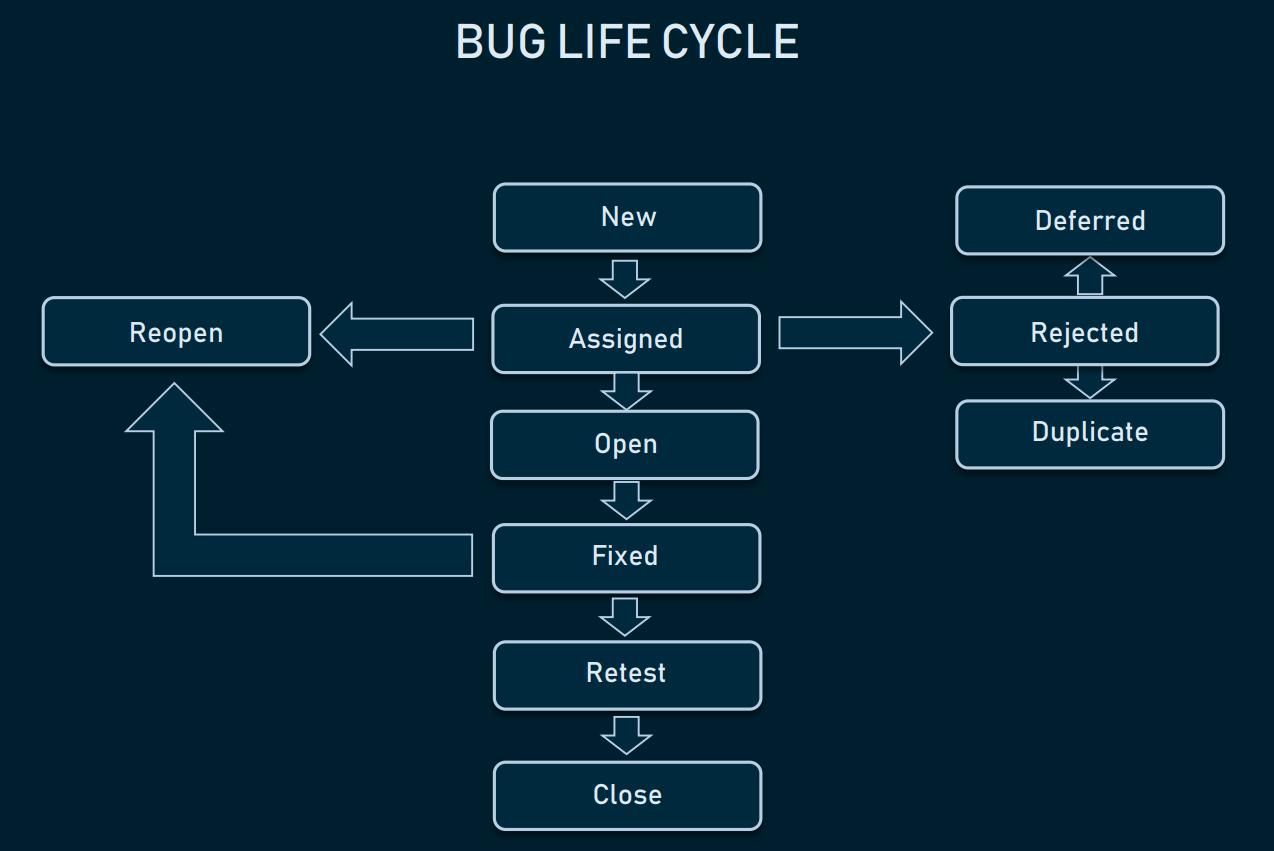
What Shift-Left Testing Actually Means
Shift-left testing is often reduced to the idea of involving QA earlier in the process. While that is part of it, the concept is broader and more fundamental - It’s about embedding quality thinking into every stage of development, from ideation to deployment.
This includes questioning assumptions during planning, validating flows during design, and writing tests alongside code instead of after it. It also involves tighter collaboration between roles, where developers, designers, and testers contribute to defining what “correct” looks like.
The shift is not just in timing, but in ownership. Quality is no longer the responsibility of a single team. It becomes a shared responsibility that influences how decisions are made across the entire workflow.
The Economics of Bugs: Why Earlier Always Wins
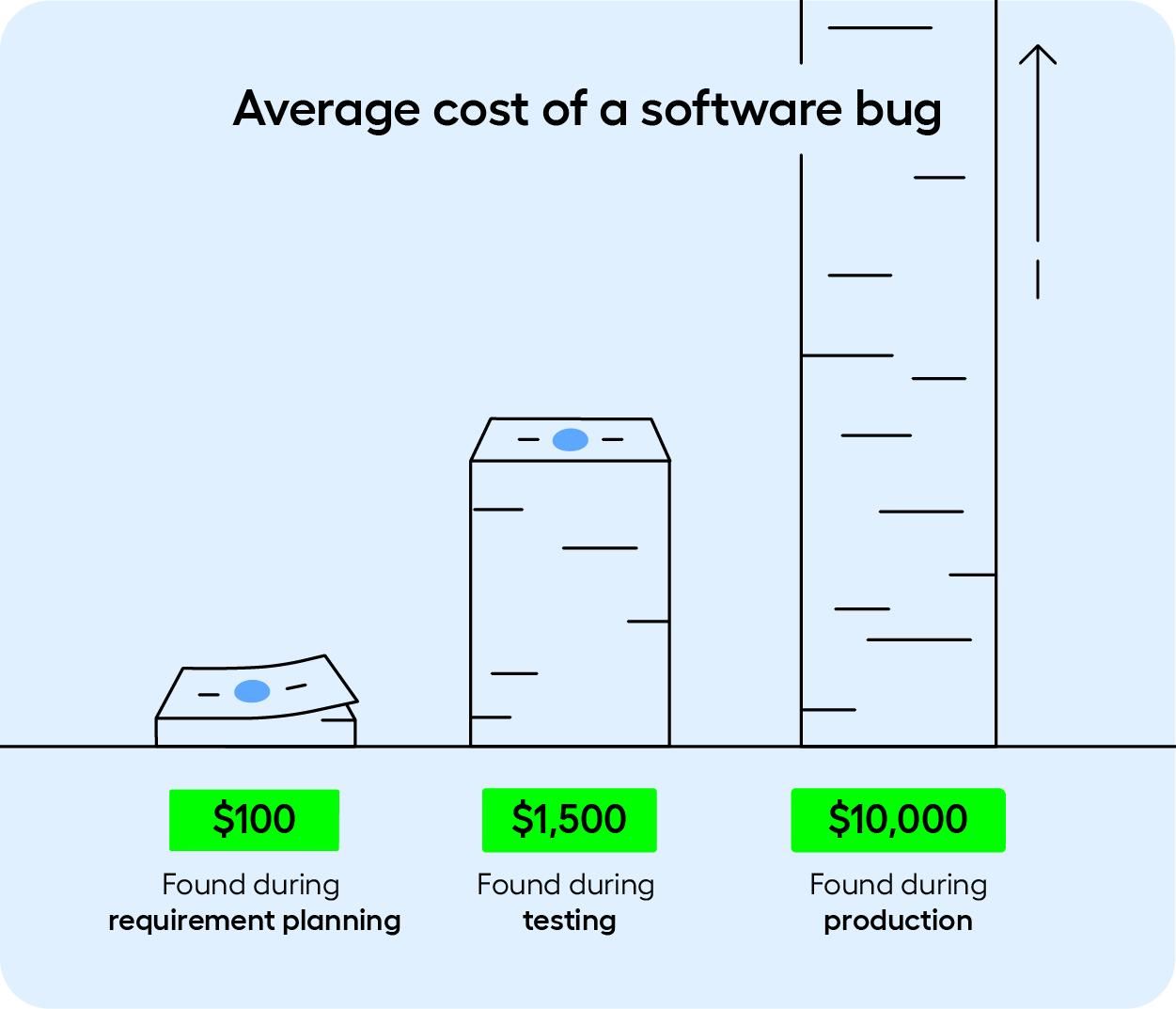
The cost of fixing a bug increases significantly the later it is discovered. This is not just a theoretical concept but a consistent pattern observed across software systems. Early-stage issues are easier to isolate, cheaper to fix, and less likely to cascade into larger problems.
The difference becomes clearer when viewed across stages:
| Stage | Nature of Fix | Relative Cost |
|---|---|---|
| Requirement/Design | Clarify logic or adjust flow | Very Low |
| Development | Modify code and update tests | Moderate |
| Testing Phase | Debug, refactor, revalidate | High |
| Production | Patch, redeploy, manage user impact | Very High |
At later stages, a single bug may require coordination across teams, regression testing, and even user communication. The technical fix is only one part of the cost. The broader impact often includes delays, reputational damage, and lost trust.
Shift-left works because it targets issues when they are still inexpensive and contained. It reduces the amplification effect that occurs when problems are allowed to propagate.
Testing Begins at the Design Stage
Design is often treated as a creative or planning activity, separate from validation. In practice, it is one of the most critical points for quality control. Decisions made at this stage define system behavior, user flows, and edge case handling.
When design is not challenged, flaws become structural. They are harder to detect later because they are embedded in how the system is intended to work. Testing at this stage involves asking uncomfortable but necessary questions.
- What happens when the user behaves unexpectedly?
- Where can this flow break under real-world conditions?
- Are there implicit assumptions that have not been validated?
Treating design artifacts as testable entities shifts the focus from “does this work?” to “will this hold under variation?” That distinction is where many early bugs can be eliminated.
Spec Clarity as the First Line of Quality
Ambiguity in specifications is one of the most consistent sources of defects. When requirements are open to interpretation, different team members will fill in the gaps differently. The resulting inconsistencies often surface as bugs during testing or after release.
Clear specifications act as a foundation for both development and validation. They define expected behavior, outline edge cases, and create a shared understanding of what success looks like. More importantly, they make systems testable before they are built.
A strong specification typically includes:
- Explicit definitions of expected inputs and outputs
- Clear handling of edge cases and failure scenarios
- Measurable acceptance criteria
Improving specification quality often reduces the need for extensive downstream testing. It aligns teams early and minimizes the risk of misinterpretation.
Developers as the First Line of Testing
In many teams, testing is seen as a separate responsibility, handled after development is complete. This separation creates a delay in feedback and weakens accountability for quality. Shift-left testing removes this boundary.
Developers are in the best position to test their own logic because they understand the intent behind the code. By thinking in terms of failure scenarios while writing code, they can identify issues that might not be immediately visible to others.
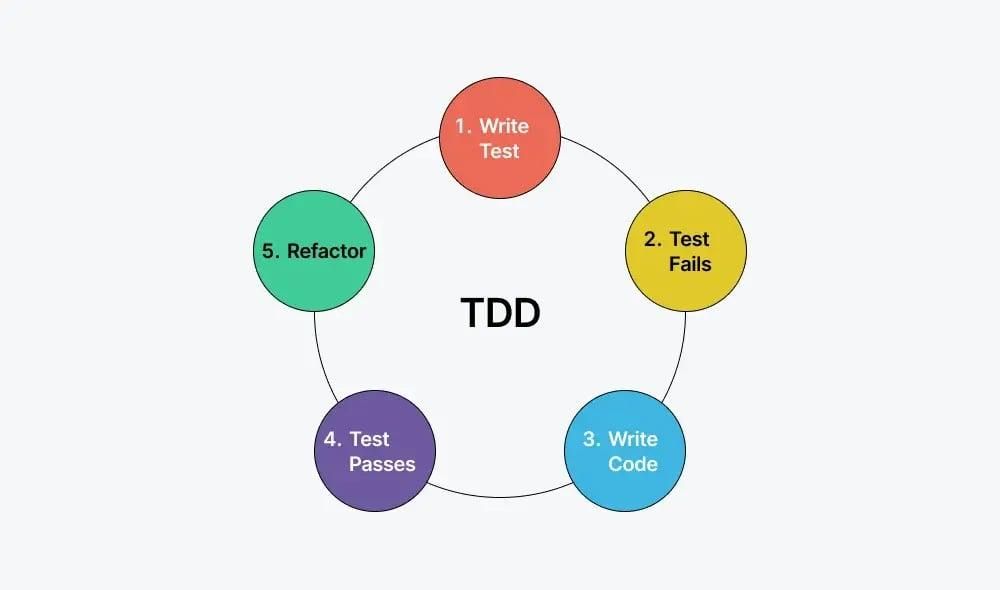
Practices that support this approach include writing unit tests alongside implementation, using assertions to validate assumptions, and considering edge cases as part of normal development. These are not additional tasks but integral parts of building reliable systems.
When developers take ownership of testing, the number of issues that reach later stages decreases significantly.
Code Reviews as an Early Quality Gate
Code reviews are often positioned as a process for maintaining standards, but their value goes much deeper. A well-conducted review acts as an early form of testing, where logic, assumptions, and edge cases are examined before code is integrated.
Reviewers bring a different perspective, which makes it easier to spot issues that the original author may have overlooked. This includes logical flaws, incomplete handling of scenarios, and potential future risks.
Effective code reviews focus on understanding the intent behind the code, not just its structure. They ask whether the solution solves the right problem and whether it will remain stable as the system evolves.
This collaborative validation step prevents many defects from progressing further in the pipeline.
Automation and Fast Feedback Loops
Early testing is most effective when feedback is immediate. Delayed feedback increases the cognitive load required to fix issues and makes it harder to trace problems back to their source.
Automation plays a critical role in maintaining fast feedback loops. Unit tests validate logic at the smallest level, while continuous integration systems ensure that changes do not break existing functionality. Together, they create a system where issues are detected within minutes rather than hours or days.
The emphasis here is not just on automation itself, but on the speed and reliability of feedback. When teams can trust that problems will surface quickly, they can move faster without compromising quality.
Common Anti-Patterns That Undermine Shift-Left
Despite widespread awareness, many teams struggle to implement shift-left effectively. The issue is rarely a lack of tools, but rather the persistence of certain patterns that delay quality thinking.
Some of the most common include:
- Treating testing as a final phase rather than a continuous activity
- Writing tests only after defects are discovered
- Relying on QA as the primary owner of quality
- Proceeding with vague or incomplete specifications
These patterns create a system where issues are guaranteed to appear late. They reinforce a reactive approach and make it difficult to benefit from early detection.
Recognizing and addressing these anti-patterns is essential for any meaningful shift-left adoption.
Expanding Shift-Left Beyond Code
Shift-left testing is not limited to code-level practices. It extends into other areas of the product lifecycle, including security, performance, and user experience.
For example, security vulnerabilities can often be prevented by incorporating threat modeling during design. Performance issues can be avoided by considering scalability constraints early. Usability problems can be reduced through early user validation and feedback.
By integrating these considerations earlier, teams reduce the likelihood of critical issues emerging late in the process. This broader application of shift-left ensures that quality is addressed holistically, not just technically.
Implementing Shift-Left Without Slowing Down
A common concern is that introducing earlier testing will slow down development. In practice, the opposite is often true. While it may require slightly more effort upfront, it significantly reduces rework and delays later.
Implementation does not require a complete overhaul of existing processes. It begins with small, consistent changes in how teams think and operate. Improving specification clarity, encouraging early validation, and strengthening feedback loops can have a compounding effect over time.
The focus should be on shifting effort, not increasing it. By investing more attention at the beginning, teams reduce the need for costly corrections later.
Conclusion: From Detection to Prevention
Most teams optimize for finding bugs quickly. They invest in better tools, increase test coverage, and refine their testing processes. While these improvements are valuable, they remain fundamentally reactive.
Shift-left testing introduces a different objective. It prioritizes prevention over detection and emphasizes early thinking over late correction. It aligns teams around the idea that quality is not something to verify at the end, but something to build from the start.
The real advantage is not just fewer bugs, but a more predictable and efficient development process. When problems are addressed before they take shape, teams spend less time fixing and more time building.
In that sense, shift-left is not just a testing strategy. It is a shift in how software is created.