


TL;DR:Both Digia and Netcore help companies improve customer engagement, but they approach the problem from completely different directions.
Netcore centers on multi-channel customer communication, including email, push notifications, WhatsApp, SMS, and campaign automation to enhance retention throughout the entire lifecycle. In contrast, Digia digs deeper into the in-app experience itself. Rather than focusing on outbound communication, it uses native engagement patterns, server-driven UI, and contextual interactions to directly influence user behavior within the product.
This shift reflects a broader change in mobile growth strategies. Engagement has evolved. It is no longer just about sending campaigns to users. It's about shaping what users experience while using the app.
Customer Engagement Is Changing
For years, engagement platforms focused largely on messaging infrastructure. The idea was straightforward: send the right email, push notification, or promotional message at the right time to automatically improve retention. Most platforms optimized communication frequency, the quality of segmentation, and lifecycle orchestration across channels.
That approach is still relevant, but mobile apps have transformed how users interact with products. Modern users spend much of their time in mobile interfaces where interaction quality, responsiveness, and contextual experiences directly impact retention. Users now evaluate products not just by communication quality but by how smooth, adaptive, and personalized the app experience feels during use.
This is where Digia and Netcore differ in their philosophy. Netcore tackles engagement mainly through lifecycle communication and omnichannel coordination. Digia focuses on product-native interaction systems that influence behavior directly within the application.
Netcore: Omnichannel Engagement at Scale
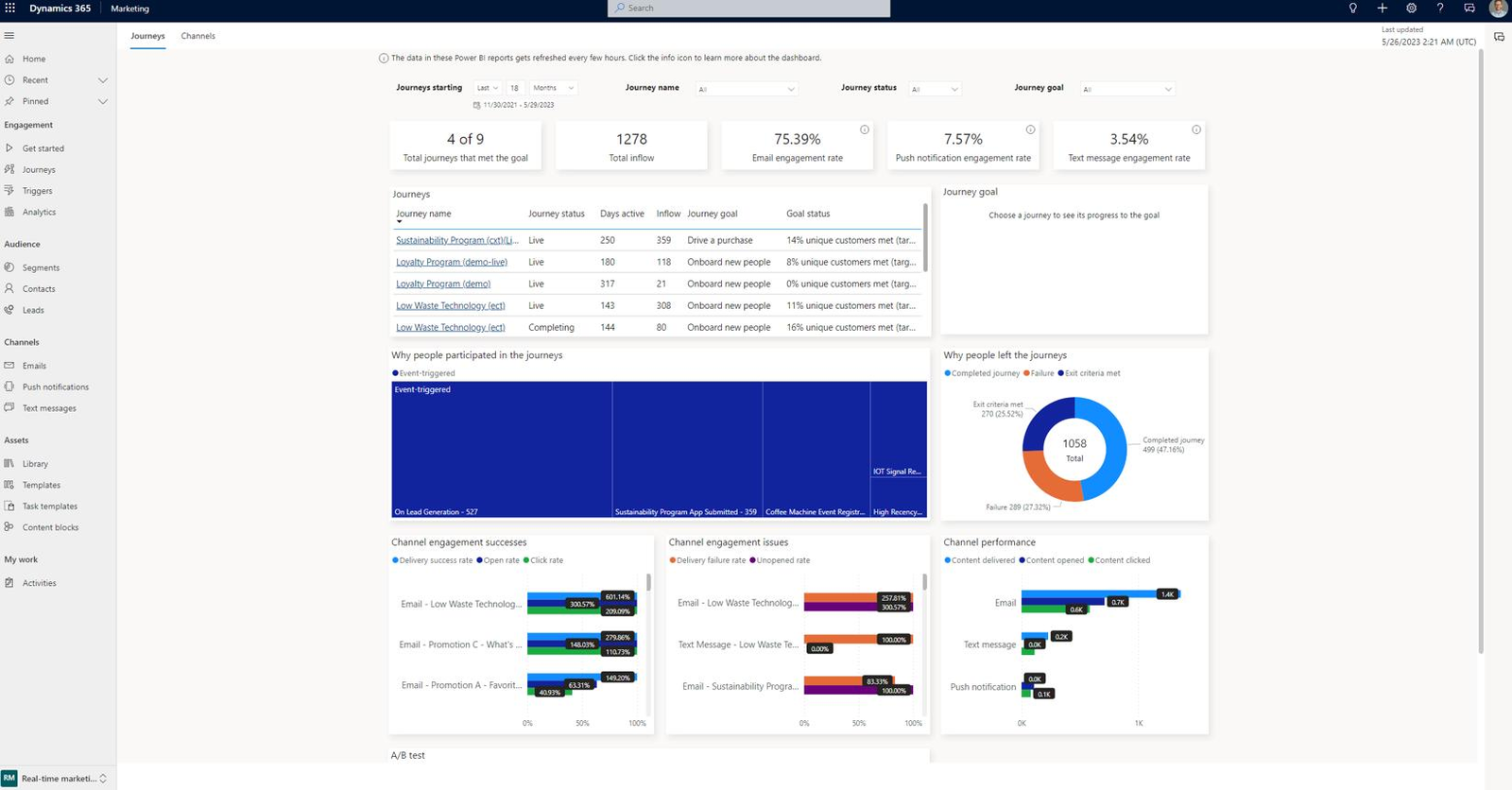
Netcore is built around customer communication infrastructure. The platform merges push notifications, email campaigns, SMS engagement, WhatsApp automation, recommendation systems, customer journey orchestration, and analytics into one centralized engagement ecosystem. Its main strength lies in its wide range of communication channels.
Businesses can execute campaigns across multiple customer touchpoints while creating detailed lifecycle journeys based on user behavior, demographics, engagement history, and retention patterns. This makes Netcore particularly valuable for e-commerce brands, retail businesses, financial services, media platforms, and subscription products where long-term customer communication drives growth and retention.
The platform also prioritizes automation and AI-driven personalization. Teams can optimize campaign timing, automate retention workflows, and create highly segmented engagement journeys for large user bases. Netcore is fundamentally designed for companies managing communication at an enterprise level, where messaging coordination is critical.
Digia: Engagement Built Into the Product
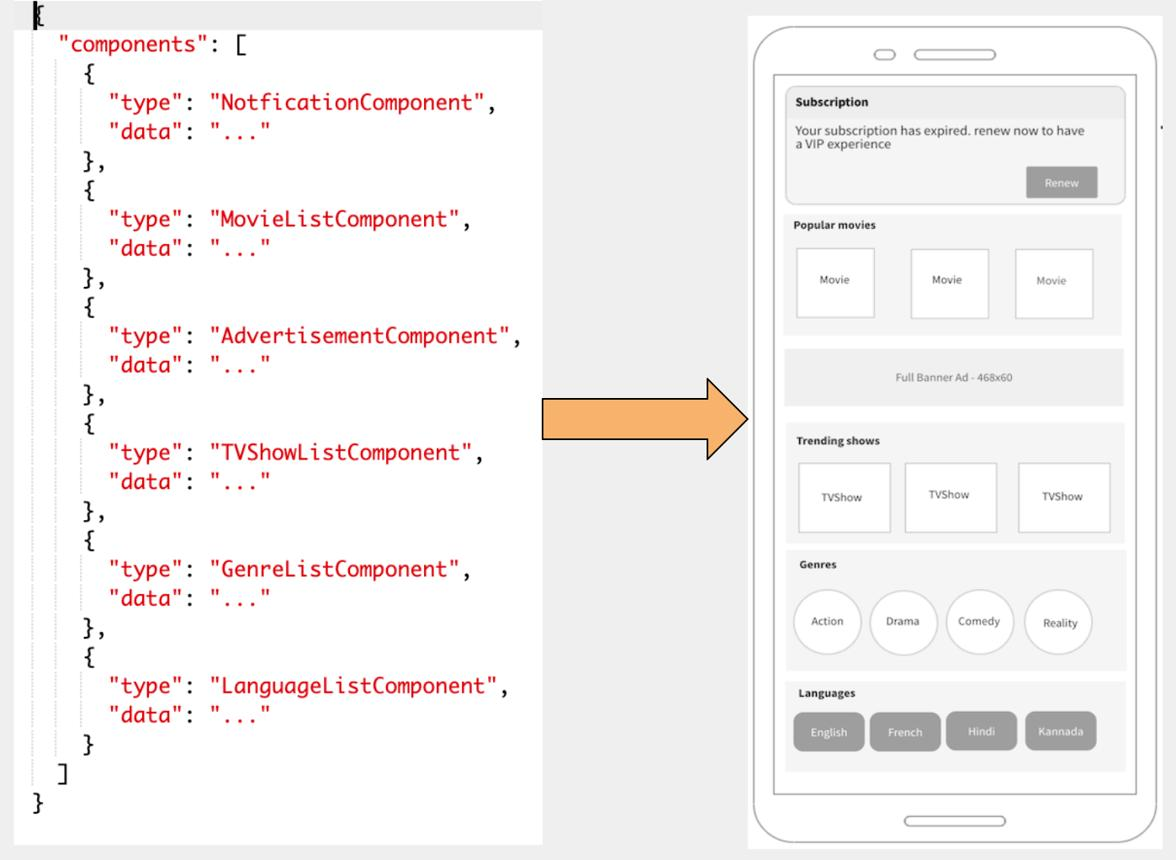
Digia takes an entirely different approach to engagement. Instead of mainly focusing on communication channels around the app, Digia shapes the in-product experience using native engagement systems powered by server-driven UI architecture.
This transforms how engagement feels to users. Rather than experiencing disconnected overlays or campaigns layered on top of the interface, users engage with onboarding flows, prompts, stories, floating widgets, PiP videos, and contextual journeys that feel like part of the product experience. Engagement becomes embedded in the application behavior rather than a separate communication layer.
Because Digia is SDK-driven and server-controlled, teams can quickly launch and modify in-app experiences without waiting for traditional app release cycles. This allows for faster experimentation while keeping a smooth and native mobile experience. The platform is especially effective in mobile-first products, where interaction quality directly impacts retention and monetization.
The Shift From Messaging to Product Experience
The comparison between Digia and Netcore illustrates a larger transformation in mobile engagement. Earlier engagement platforms optimized for campaign infrastructure and customer communication workflows. Success relied heavily on sending more effective messages across multiple channels.
Modern mobile engagement is based on a different foundation: the quality of interactions during live product sessions. Users spend most of their time within the app, meaning retention decisions occur during onboarding, browsing, purchasing, navigation, and interaction flows instead of relying solely on external campaigns.
Netcore improves how companies communicate with users throughout lifecycle touchpoints. Digia enhances how users experience the product itself during active sessions. These represent fundamentally different layers of engagement strategy, each addressing different business needs.
Netcore's Biggest Strength: Omnichannel Reach
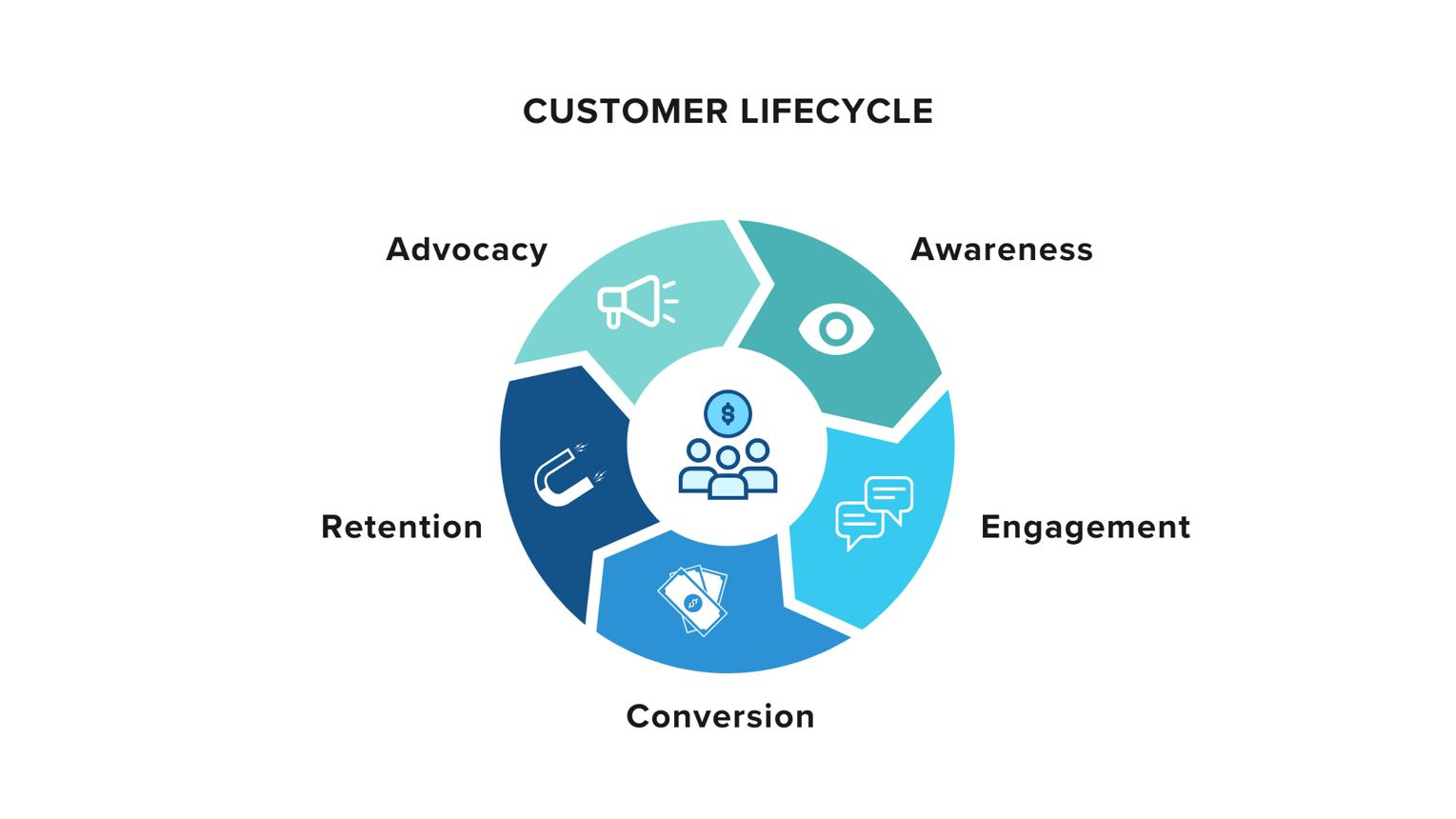
Netcore's primary advantage is its ability to manage engagement across multiple communication channels at scale. The platform blends push notifications, email marketing, SMS campaigns, WhatsApp engagement, and customer journey automation into one centralized system. This enables businesses to coordinate retention campaigns and customer communication strategies across the entire lifecycle instead of relying on isolated channels.
The platform is particularly effective for companies that manage large user bases and long customer journeys. E-commerce brands, financial services, subscription platforms, and media businesses can leverage Netcore to create highly segmented campaigns driven by customer behavior, demographics, and engagement history. Its infrastructure supports large-scale communication operations without sacrificing performance tracking and analytics visibility.
Netcore also highlights automation and personalization. Teams can develop dynamic workflows, optimize campaign timing, and deliver tailored messaging experiences based on user actions across various touchpoints. The overall approach centers on maximizing communication efficiency and customer reach across channels.
Digia's Biggest Strength: Native Interaction Quality
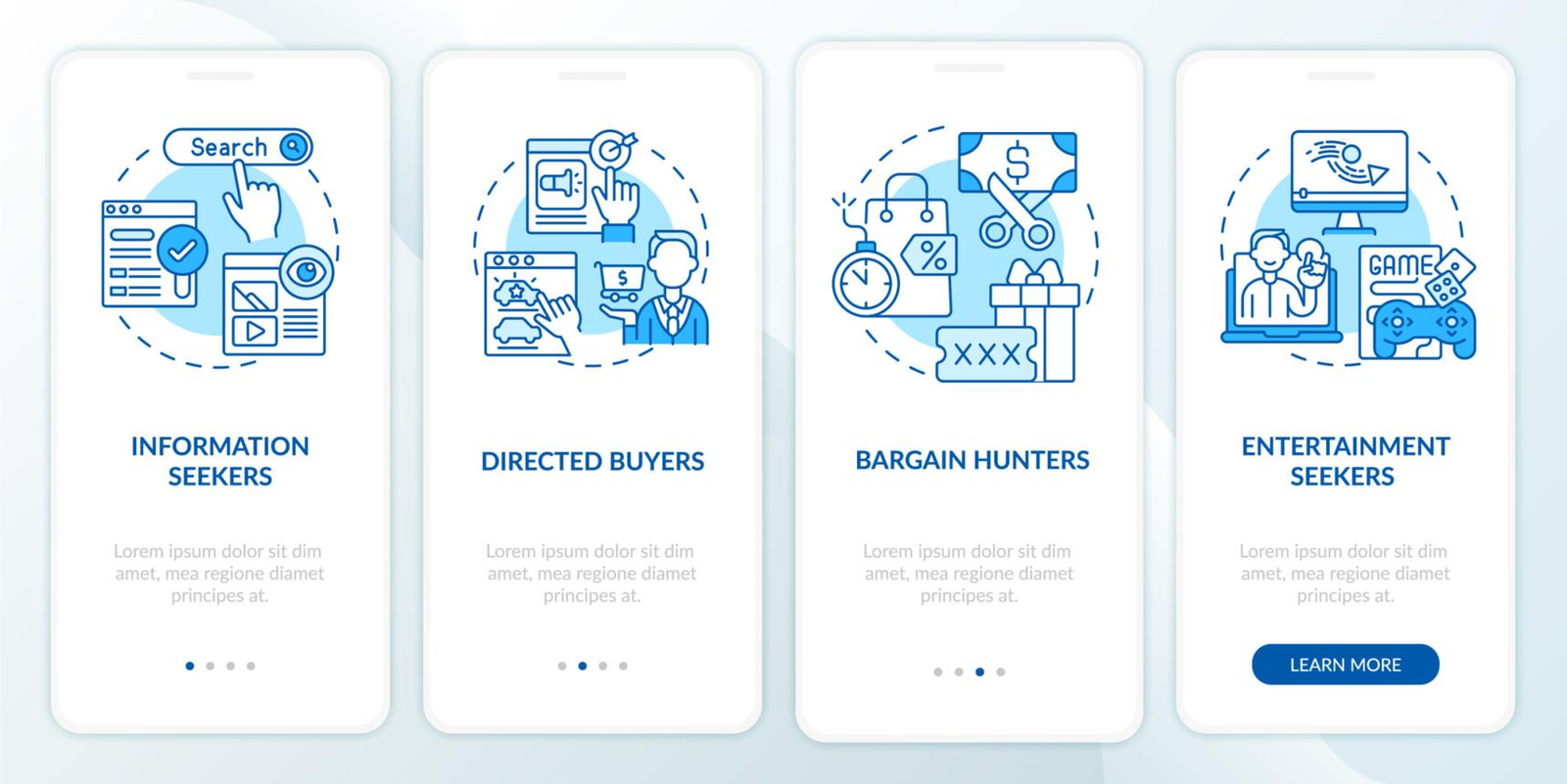
Digia approaches engagement differently by emphasizing the quality of interactions occurring within the product itself. Rather than treating engagement as a separate communication layer, Digia incorporates engagement systems into the app experience via server-driven UI and SDK-powered architecture. This creates an experience that feels seamlessly connected to the product.
Since engagement components render natively, teams can launch onboarding flows, floating widgets, contextual prompts, stories, and PiP videos without making the interface feel cluttered or disjointed. This is especially crucial in mobile-first applications, where intrusive overlays can harm usability and reduce retention. Digia's architecture helps maintain a seamless user experience.
Another significant advantage is real-time adaptability. Teams can instantly update engagement flows, modify interface behavior, and personalize in-app experiences without waiting for traditional app release processes. This leads to quicker experimentation and empowers companies to respond to user behavior during active sessions.
Mobile-First Products Need Different Engagement Systems
Mobile environments function differently from traditional desktop and web systems. Users engage in shorter sessions, switch contexts rapidly, and expect interfaces to respond without friction. This reshapes what effective engagement looks like.
While traditional lifecycle messaging remains important, relying solely on external communication won't drive long-term retention. Users increasingly expect products to guide behavior contextually, personalize experiences in real time, and provide engagement naturally within the interface rather than depending only on notifications and campaigns.
Digia is designed with these mobile-first engagement principles in mind through native rendering and server-driven interaction systems. Netcore continues to excel in omnichannel communication and lifecycle orchestration but maintains its primary focus on communication infrastructure instead of immersive in-product interaction systems.
Experimentation and Deployment Speed
Both Digia and Netcore support experimentation, but they have different optimization focuses. Netcore emphasizes campaign optimization, lifecycle automation, segmentation testing, and messaging performance improvements across communication channels. This makes it especially effective for retention and marketing teams managing long-term customer engagement strategies.
Conversely, Digia concentrates on experimentation occurring directly within the mobile product experience. Teams can test onboarding flows, contextual prompts, embedded engagement surfaces, and interaction patterns dynamically without relying heavily on engineering release cycles. Its server-driven model allows for much faster operational experimentation.
This dramatically reduces friction between having an engagement idea and implementing it live within the product. The distinction, while subtle, is important: Netcore optimizes communication experimentation, while Digia hones in on interaction experimentation.
Integration Architecture Changes Everything
Integration architecture significantly impacts how much control an engagement platform can offer. Netcore integrates mainly as a customer communication and lifecycle orchestration layer linked to messaging systems, CRM workflows, analytics infrastructure, and retention automation pipelines. This helps companies coordinate engagement across various external channels while keeping centralized oversight of customer journeys and campaign performance.
Digia integrates more deeply into the mobile product itself through SDK-driven native rendering and server-driven UI architecture. Rather than mainly orchestrating communication around the app, Digia enables teams to dynamically modify onboarding flows, contextual prompts, floating widgets, journeys, and in-app engagement systems directly in the interface. This grants companies greater control over how users experience the product during active sessions.
This distinction becomes crucial in mobile-first environments, where responsiveness and interaction quality directly influence retention. Netcore simplifies lifecycle communication and omnichannel coordination, while Digia emphasizes immersive product-native engagement and real-time interaction control.
| Area | Netcore | Digia |
|---|---|---|
| Core Focus | Omnichannel communication | Native in-app engagement |
| Integration | Style Campaign and lifecycle layer | Deep SDK integration |
| Primary Strength | Communication orchestration | Product interaction control |
| Engagement Layer | Around the product | Inside the product |
Pricing Philosophy Reflects Product Philosophy
Pricing structures often show what a platform is designed for. Netcore pricing typically relates to messaging scale, customer volume, communication reach, campaign setup, and channel use. This connects well with its strategy for engaging customers through multiple channels.
Digia, on the other hand, uses a more tailored pricing model based on native engagement depth, SDK implementation scope, server-driven experiences, and in-product interaction systems. This highlights its emphasis on creating immersive mobile experiences instead of just broad communication distribution.
This difference highlights the philosophical divide between the two platforms. Netcore focuses on communication scale and lifecycle management. Digia centers on interaction depth and the quality of the product experience.
"One platform prices based on communication scale. The other prices based on experience depth."
Trade-Offs Between Netcore and Digia
The trade-offs between Netcore and Digia are not about determining which platform is objectively better. They show two different strategies for engagement and growth.
Netcore prioritizes communication scale, coordinating across multiple channels and managing customer journeys. This makes it particularly effective for companies running extensive retention campaigns across various touchpoints. Businesses that heavily use email, push notifications, WhatsApp, SMS, and long-term communication workflows often benefit from this broader communication framework.
Digia emphasizes interaction depth and native product engagement. Rather than mainly focusing on outbound messaging, the platform shapes how users engage with the app itself through contextual onboarding, real-time personalization, and server-driven experiences. This creates a richer mobile experience but also requires deeper integration into the product.
One platform broadens communication reach throughout the customer journey. The other focuses on enhancing how the product feels during real-time use.
The Core Difference: Communication Layer vs Experience Layer
The main difference between Digia and Netcore lies in where each platform thinks engagement truly happens. Netcore is built for orchestrating communication across channels like email, push notifications, SMS, and WhatsApp. Its goal is to keep users engaged throughout the customer lifecycle with coordinated messaging strategies.
Digia goes deeper, focusing on the live product experience. Instead of prioritizing external communication, the platform is meant to influence user behavior directly within the app through contextual interactions and native engagement systems. This makes user engagement feel like a natural part of the interface instead of an added layer of messaging.
This philosophical difference affects everything about how the platforms operate. Netcore enhances communication reach and lifecycle automation, while Digia improves interaction quality, responsiveness, and real-time product engagement. One platform improves how companies communicate about the product, while the other enhances how users experience the product itself.
What This Means for Product and Growth Teams
The comparison of Digia and Netcore highlights a broader shift in mobile growth strategy. Growth now depends more on how immersive, responsive, and personalized the product experience feels during actual use, rather than solely relying on notifications and campaigns.
Netcore continues to be highly valuable for businesses focused on omnichannel communication, customer lifecycle management, and large-scale retention marketing. Digia caters to teams that prioritize high-quality mobile interactions, native onboarding experiences, and deeper engagement directly within the product.
As mobile ecosystems change, distinguishing between communication infrastructure and product engagement becomes strategically important.
The Bigger Picture: Choosing the Right Engagement Philosophy
Digia and Netcore are not just competing platforms offering the same features. They represent two different philosophies about customer engagement. Netcore aims to maximize communication reach across channels and manage the customer journey throughout the relationship.
Digia aims to enhance how users experience the product in real-time through interaction systems and native engagement design. One platform broadens communication capabilities, while the other transforms the actual product experience.
The right choice depends on a company’s view of where value in engagement is created: around the product through communication strategies or within the product through immersive interaction quality.
What Stands Out
The key difference between Digia and Netcore is breadth versus depth. Netcore is designed for large-scale omnichannel communication, helping companies manage campaigns across push notifications, email, SMS, WhatsApp, and engagement workflows. Its strength lies in communication infrastructure and customer journey automation.
Digia focuses on mobile engagement and real-time in-product interactions. Instead of mainly concentrating on communication reach, it prioritizes interaction quality, responsiveness, contextual onboarding, and server-driven product experiences. One platform broadens communication capabilities, while the other changes how the product itself feels to users.
Further Reading and References
- Digia Official Website
- Netcore Official Website
- Netcore Customer Engagement Platform
- Netcore Product Experience Platform
- Digia vs Braze: Customer Engagement Comparison
- Digia vs Plotline: Product Engagement Comparison
So, which platform fits your growth strategy?
If your company needs large-scale lifecycle messaging, multiplatform customer communication, and retention marketing tools, Netcore is a strong choice for organizations managing engagement across different touchpoints and communication channels.
However, if your goal is to shape how users experience the product through native interaction systems, contextual onboarding, and real-time in-app engagement, Digia provides a much deeper mobile-first engagement setup centered around immersive product experiences.