





TL;DR: Most onboarding flows are built to complete, not to deliver. An 80% onboarding completion rate means nothing if the user who finished it still does not understand why the app is worth keeping. The metric that matters is time to first win: the moment the user gets something real from the product. This article covers how to define a first win for your specific app, the three failure modes that prevent users from reaching it, how to map the first win from your retention data, which design patterns compress time to first win, when to gate versus when to open the value surface first, how to choose the right onboarding format, and what a well-instrumented onboarding funnel actually looks like. Sourcing note: All data points and research findings are attributed to their sources throughout.
Onboarding completion is not activation. A user who taps through a five-screen product tour, dismisses the final tooltip, and lands on the home screen has completed onboarding. They have not yet learned whether the product is worth their time. If the home screen is empty, the features are unclear, or there is no obvious next step, that user is gone by tomorrow morning. They count as an onboarding completion in your funnel. They will not count in your Day-1 retention cohort.
The average app loses 77% of daily active users within the first three days of install. The majority of those losses happen in the first session or within 24 hours of it. The product tour did not save them. The permission prompt did not save them. The "Welcome to the app" modal definitely did not save them. What would have saved them is getting to a first win, a concrete moment of value, before they ran out of motivation to stay.
This is the design problem that most onboarding work does not actually address.
What a First Win Is and What It Is Not
A first win is the specific action or outcome that signals a user has received something real from the product. It is distinct from completing setup, filling in a profile, or dismissing an introductory screen. Those are functional preconditions. A first win is the moment the user thinks "this works" or "this is what I came for."
For a fintech savings app, the first win is not creating an account. It is completing a first deposit and seeing a balance appear. For a fitness app, it is not setting a goal. It is completing a first workout and receiving a summary that makes the goal feel achievable. For an e-commerce app, it is not browsing the catalogue. It is completing a purchase and receiving order confirmation. For a task management app, it is not creating an account. It is completing the first task and experiencing the satisfaction of checking it off.
The first win is product-specific, and the only way to identify it correctly is through data rather than assumption. Time to value measures the elapsed time between when a user signs up and when they experience meaningful benefit. Value happens when users achieve the outcome they came for, not when they complete an action or check off an onboarding task. A user who creates an account and sets up a profile might look activated in the analytics. If they have not solved the problem that brought them to the product, they have not hit the first win.
The common mistake is designing the onboarding flow toward functional completion (account created, preferences set, permissions granted) and treating activation as a downstream outcome. Activation is not downstream of onboarding. Activation is the purpose of onboarding. Every step in the onboarding flow should be evaluated against a single question: does this step get the user closer to their first win, or is it in the way?
The First Win Mapping Exercise
The fastest way to identify the first win for your app is to run a backward analysis from your retention data. The logic is direct: users who retained at Day 7 did something different in their first session than users who churned at Day 1. That difference is the first win.
Pull two cohorts from your analytics platform. The first is all users who installed in the last 60 days and returned on Day 7 or later. The second is all users from the same period who opened the app once and never returned. Compare the event sequences for both cohorts in the first session.
Research from Mixpanel product benchmarks has shown meaningful Day-7 retention gaps between users who activate early and those who do not, which is why activation is treated as the north star onboarding metric. The specific action that most strongly predicts Day-7 retention in your retained cohort, and that is absent or incomplete in your churned cohort, is your first win candidate.
Typical findings from this analysis: the retained cohort completed a core product action in session one (made a transaction, created a piece of content, completed a primary task) at a significantly higher rate than the churned cohort. The churned cohort stopped at a setup step (filled in a form, viewed a feature tour) without crossing into the action that delivers value. The onboarding flow got them to setup. It did not get them to the win.
Once the first win action is identified, the design question changes from "how do we make onboarding shorter?" to "how do we remove every obstacle between install and this specific action?"
The Three Onboarding Failure Modes
Every onboarding failure that prevents a user from reaching the first win traces to one of three structural problems.
Failure mode 1: Too long. The onboarding flow has too many steps between install and value. Each step is individually defensible. The account setup step collects necessary information. The preference selection step enables personalisation. The permission request step is required for push notifications. But the cumulative effect of five to eight steps before the user reaches anything useful is abandonment. Each step adds a decision point and a friction moment. Friction kills activation: extra fields, decisions, and steps directly increase abandonment. Users who make it through step 3 of a 7-step onboarding flow are a self-selected group with above-average motivation. Teams that optimise the conversion rate between onboarding steps without questioning whether all the steps are necessary are solving the wrong problem.
The diagnostic: count the steps between install and first win. If the answer is more than three or four, the flow is almost certainly too long. Audit each step against the gating question covered later in this article.
Failure mode 2: Too instructional. The onboarding flow explains instead of delivering. Product tours that walk users through every feature before letting them use any of them are describing the value rather than creating it. A user who has read about the portfolio tracking feature of a fintech app still does not know whether it works for them. A user who has linked an account, seen their balance, and received a spending insight in their first session does know. A good onboarding flow does not explain everything. It focuses on one meaningful action: create your first task, send your first message, complete your first transaction. When that happens, onboarding has done its job.
The instructional failure mode is the most common because it feels responsible. The team is teaching the user about the product. But teaching is not the same as delivering. Users do not need to understand all the features. They need to experience one feature well enough to believe the rest is worth exploring.
Failure mode 3: Too early. The onboarding flow teaches features before the user has the problem those features solve. A new user who downloads a budgeting app on the strength of an ad about spending insights does not yet have a mental model of their spending. Showing them a spending breakdown chart in the onboarding flow before they have linked any accounts is showing them an answer to a question they have not yet asked. The feature is correct. The timing is wrong.
This failure mode appears most often in apps with rich feature sets. The team wants to demonstrate depth and capability early. The user needs to establish a baseline of usage before advanced features carry meaning. Products that excel at showing value in week one build user habits that compound over time, but early wins must be wins the user actually wanted, not feature demonstrations the team decided were impressive.
Functional Onboarding Versus Value Onboarding
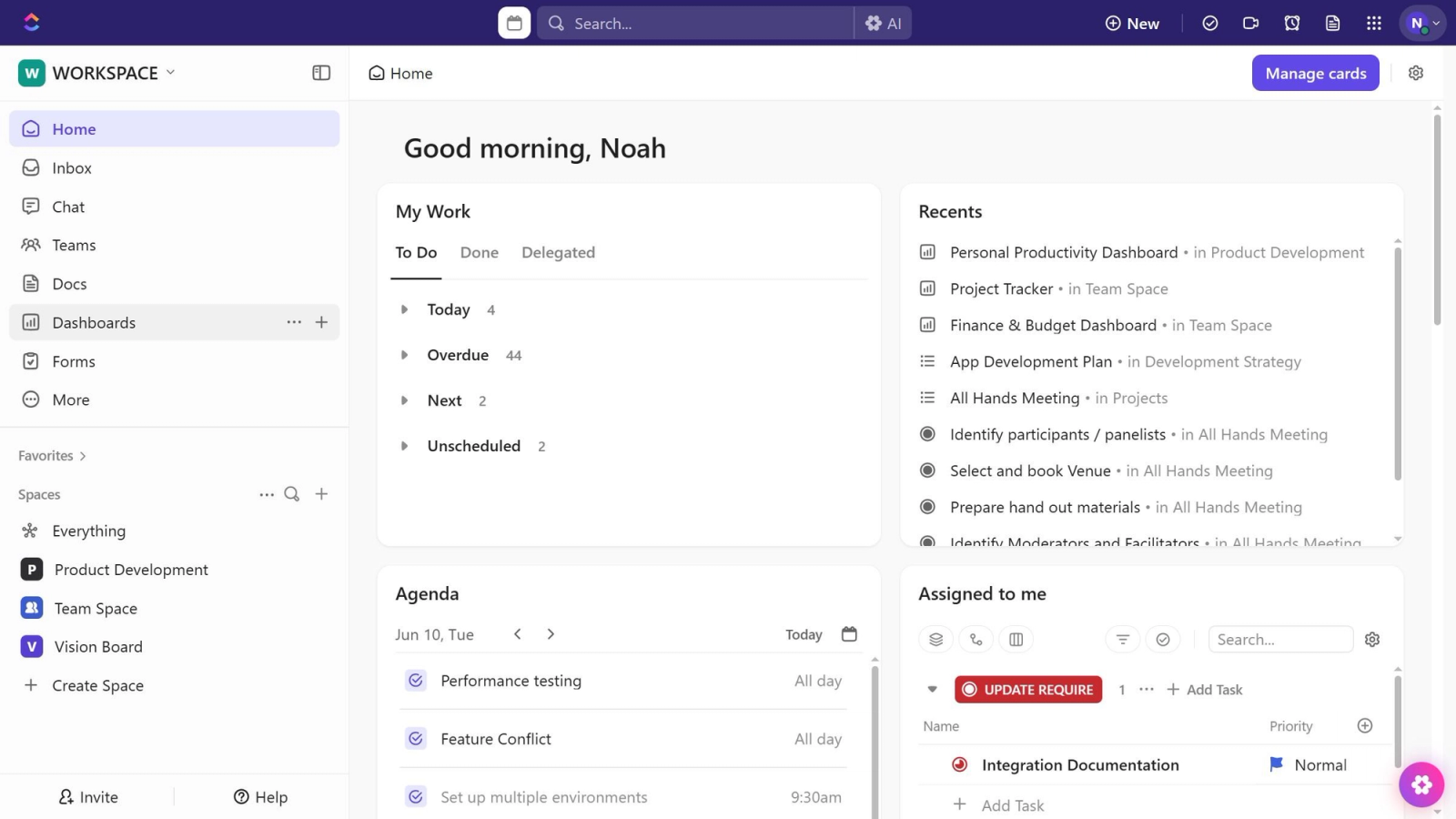
The distinction between functional onboarding and value onboarding is the clearest conceptual frame for redesigning an underperforming flow.
Functional onboarding covers what the user needs to know how to do: how to navigate the app, where the main features are, how to complete the primary task the app is built for. It is necessary. Without it, users who want to reach the first win cannot navigate to it.
Value onboarding covers what the user needs to experience to believe the app is worth their time: the specific outcome, the moment of insight, the completed action that makes the abstract promise of the app concrete. Most onboarding flows cover the functional layer in detail and leave the value layer to chance. The user who completes the functional flow is equipped to use the app. They have not yet had a reason to.
The design principle that separates strong onboarding from weak onboarding is sequencing. Functional steps that are prerequisites for the first win belong before the win. Functional steps that are not prerequisites belong after it. A fintech app that requires KYC before any feature is accessible has to do the functional work first. A social app that asks users to follow 10 accounts before showing them a feed is doing functional work that delays the value experience unnecessarily. The feed could load with algorithmically suggested content immediately, with the follow prompts surfacing after the user has already seen what the feed looks like when populated.
Empty states are activation moments: guided empty states outperform blank screens and reduce early churn. An empty dashboard that greets a new user with a blank screen and a "get started" button is a functional screen. It tells the user nothing has happened yet. An empty dashboard that shows a sample portfolio, a suggested first action, and a concrete next step toward the first win is a value screen. It shows the user what the experience looks like when it is working, which creates motivation to make it real.
Design Patterns That Compress Time to First Win
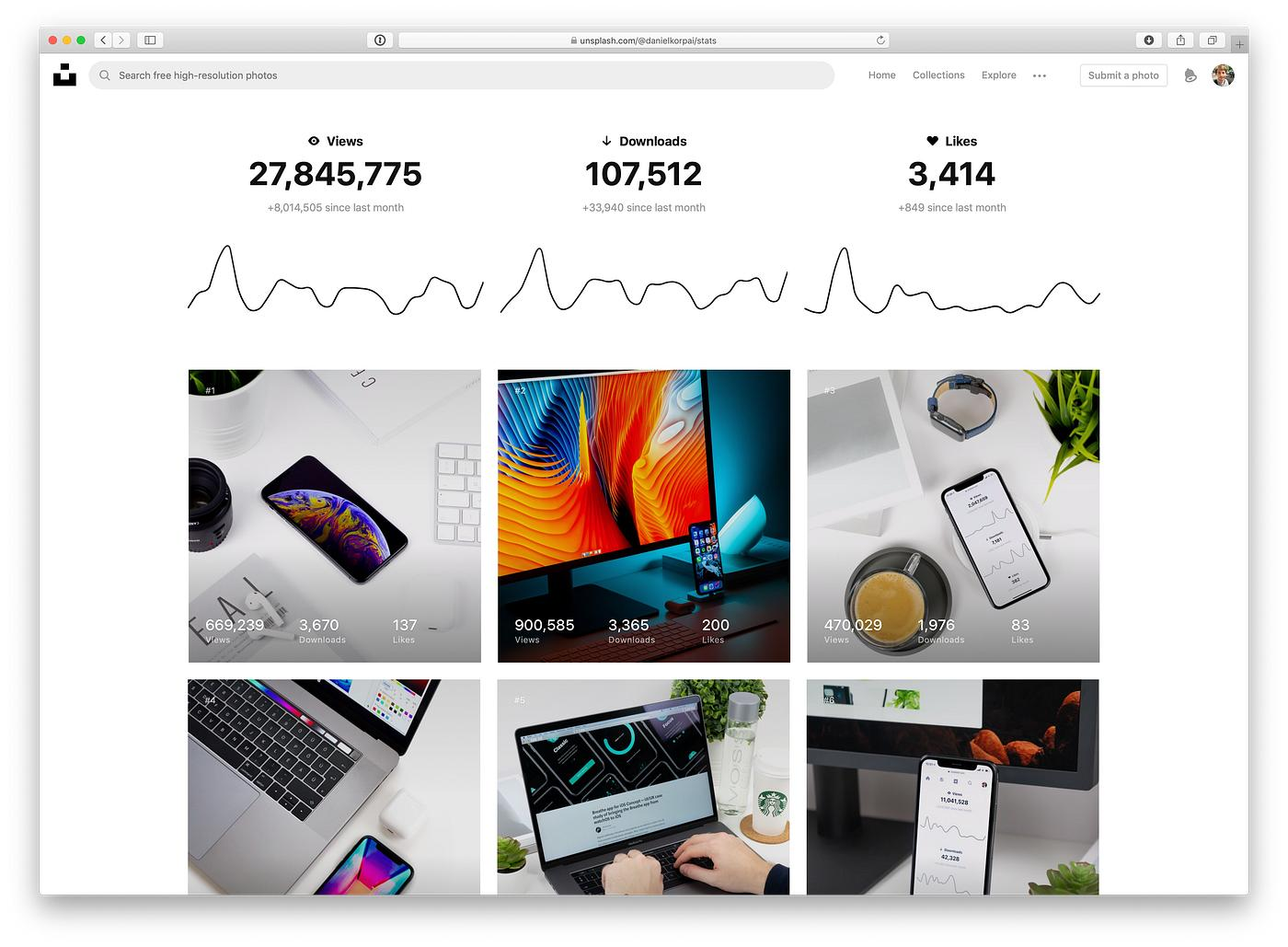
Several specific design patterns reduce the time between install and first win. They are not novelties or branding decisions. Each one removes a specific friction point that typically delays or prevents the user from reaching value.
Progressive disclosure. Progressive disclosure presents users with information, options, and decisions as they become relevant, rather than front-loading the full product context at the start of the session. For onboarding, this means revealing setup options, feature configuration, and account customisation at the moment they are contextually relevant, not in a sequential pre-use setup flow. A user who completes a first task and then sees a prompt to customise notifications for that task type is encountering the customisation option at the moment it makes sense. A user who sees the notification customisation screen in step 3 of a setup flow is encountering it without context.
Progressive disclosure often reduces friction better than front-loaded setup, and poor permission timing alongside overloaded first sessions are among the primary causes of early churn. The practical application: identify which setup steps are prerequisites for the first win and which are not. Move the non-prerequisites out of the primary onboarding flow and surface them contextually after the first win.
Contextual tooltip placement at first action points. Tooltips and coachmarks placed at the first point of interaction with a feature deliver instruction at the moment the user needs it. Tooltips placed in a front-loaded tour deliver instruction before the user has a need, which means the information is processed as noise rather than guidance. Nielsen Norman Group's design principle for instructional overlays states that the visual style must make unmistakably clear it is an annotation rather than an interactive element. A tooltip the user cannot distinguish from a button creates confusion that delays the first win rather than accelerating it.
Micro-achievements that confirm progress. Small positive signals between install and the first win tell the user that they are moving in the right direction. A progress bar that fills with each onboarding step, a checkmark that appears after completing a prerequisite action, a brief animation that confirms a setup step was successful: these micro-achievements build the momentum that keeps users engaged through the functional steps before the value moment arrives. They are not the first win. They are evidence that the first win is close.
Pre-filled or sample data. Showing users what the app looks like when it is working, rather than showing them an empty state, gives them a concrete target to aim at. Basecamp pre-loads new project dashboards with a sample project. Notion provides template pages. The function is the same: the user sees the output of the product before they have produced any input, which makes the value concrete rather than abstract. The empty state is one of the most common silent drop-off points in early activation and one of the most overlooked. Pre-filling it with sample data or a guided prompt converts a drop-off point into an activation moment.
The Gating Question: When to Require Steps Before Value
The gating question is the most consequential design decision in any onboarding flow: which steps are prerequisites for the first win, and which are not?
A step is a prerequisite if the first win is literally impossible without it. For a payments app, account linking is a prerequisite for a transaction. For a navigation app, location access is a prerequisite for turn-by-turn directions. These steps belong before the value surface. Users understand why they are required because the connection between the step and the benefit is obvious.
A step is not a prerequisite if the first win is possible without it. Profile photo upload, notification preferences, referral code entry, account customisation, feature tour completion: none of these are prerequisites for most apps' first win. They can be collected after the first win, at a moment when the user has already decided the app is worth their time. Users who have just experienced a first win are more motivated to complete optional setup steps than users who have not yet experienced any value.
When users understand why information is needed, they are more likely to provide it willingly. Communicating the purpose of any required setup step clearly is as important as placing it at the right moment in the flow. A permission request that says "Allow notifications" converts at a lower rate than one that says "Get notified when your SIP is processed so you can track your savings in real time." The second version explains the connection between the permission and the user's goal. The first is a generic request that carries no evident benefit.
The practical rule: require only what is absolutely necessary to enable the first win, and defer everything else. The post-win session is the most receptive moment for additional setup, because the user has already confirmed the product is worth their time.
Onboarding Format Selection
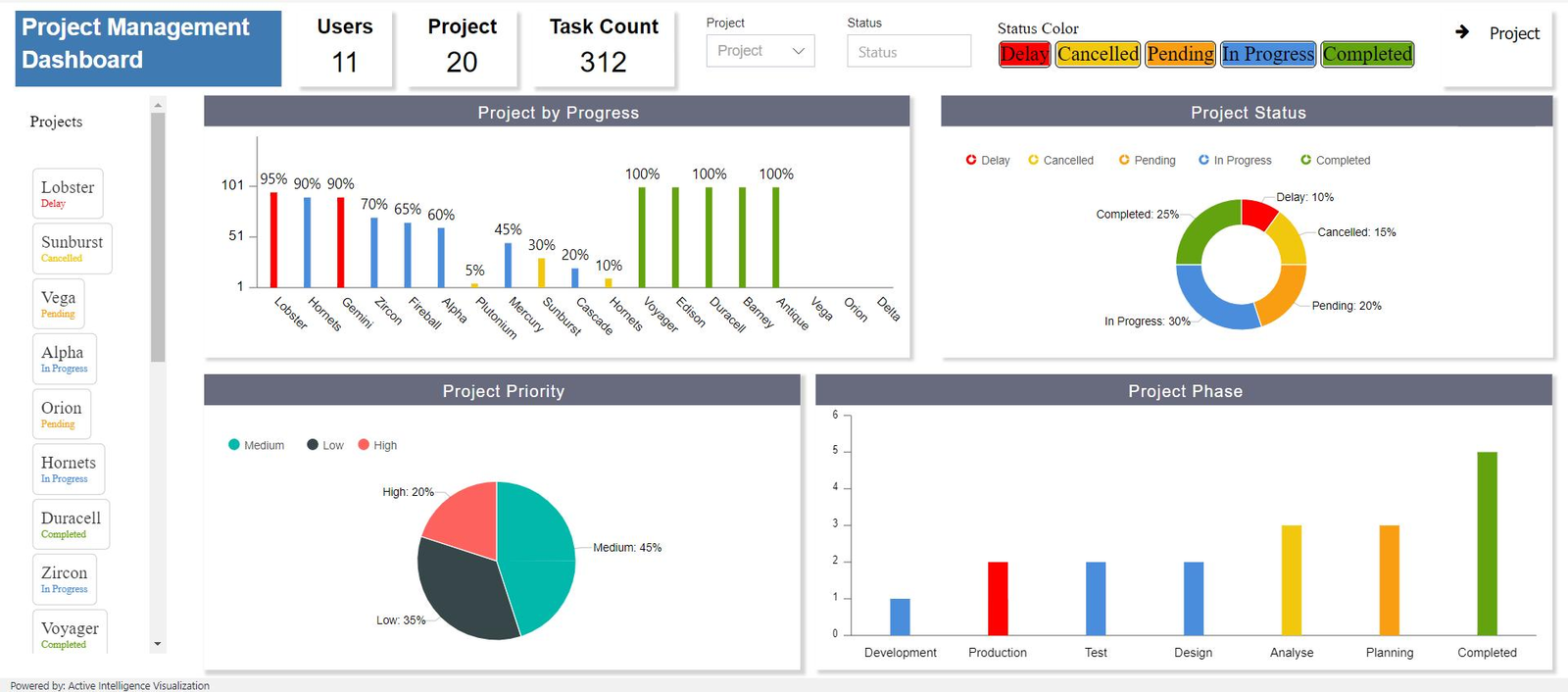
The format question (checklist, guided tour, empty state, action prompt) is secondary to the first win question. But once the first win and the prerequisite steps are defined, the format that best delivers that sequence becomes clearer.
Checklists work when the first win requires multiple setup steps and the user benefits from seeing their progress across all of them. Checklists communicate completeness: the user knows what is left to do and can see how much they have done. They are most effective in apps where the setup itself is a meaningful part of the initial experience, such as fintech apps where KYC, account linking, and goal setting are individually relevant steps rather than bureaucratic prerequisites.
Guided tours work for apps with enough feature complexity that navigation without guidance produces confusion. The tour should be short (two to three steps maximum), focused on the feature the user needs to reach the first win, and skippable for users who prefer to explore on their own. Tours that cover the entire product in sequence are the instructional failure mode described earlier. A tour that shows the user where the one action they need is located is a navigation aid.
Empty state prompts work as the primary onboarding format for apps where the first session is the user's first real interaction with the product's core functionality. The empty state becomes an onboarding experience by showing the user what the first win looks like and giving them a single clear action to initiate it. This format works well for content creation apps, productivity tools, and apps where the first session is naturally exploratory.
Action prompts are contextual nudges that fire at specific moments in the first session to guide users toward the first win. These are the most targeted format because they fire in response to what the user is doing, not as a pre-planned sequence. A user who opens the investment tab for the first time receives a prompt that guides them toward completing a first investment. Contextual nudges that fire in response to user events in the first session can guide users toward activation without interrupting the session with a structured flow. The format is less disruptive than a guided tour and more precise than a generic empty state.
Most apps use a combination of these formats rather than a single one. The KYC flow in a fintech app is a front-loaded checklist. The feature introduction after KYC completion is a contextual action prompt. The empty state of the first portfolio screen includes a sample data preview and a guided prompt to make the first investment. The sequence uses different formats for different moments in the first-session journey.
Measurement: What a Well-Instrumented Onboarding Funnel Looks Like
The most common measurement mistake is tracking step completion without tracking the correlation between each step and downstream retention.
A well-instrumented onboarding funnel tracks four things per step: the completion rate (what percentage of users who reached this step completed it), the drop-off destination (where did users who dropped off go), the time spent (how long did users who completed the step spend on it), and the D1 and D7 retention correlation (what is the Day-1 and Day-7 retention rate for users who completed this step versus users who did not).
The last of these is the most important and the most commonly absent. Teams that know their step-by-step completion rates but not the retention correlation cannot answer the question that matters: which steps in the onboarding flow are contributing to retention, and which are consuming time without producing it?
Track first value moment rates and correlate with D1, D7, and D30 retention to prove the relationship between early value and long-term retention and justify prioritising activation improvements over new feature development. The correlation analysis answers the gating question empirically: if users who complete step 3 (notification setup) show no meaningfully different D7 retention than users who skip it, step 3 does not belong in the primary onboarding flow.
Time to first win is the most diagnostic single metric for onboarding performance. It measures the time elapsed between install and the user completing the first win action. Cohort retention by time to value speed, comparing 30 and 90-day retention for users who reached value within 24 hours versus those who took 4 to 7 days, quantifies the impact of faster time to value. In most apps, users who reach the first win within the first session retain at a materially higher rate than users who do not, even if both cohorts eventually complete onboarding.
The second value moment is the metric that determines whether the first win converts to a Day-7 retained user. A user who experienced a first win on Day 1 but encountered no second meaningful experience by Day 5 is a user at high churn risk. Tracking time-to-second-value, the next meaningful product outcome after the first win, tells the team whether the onboarding experience is creating a habit loop or a one-time event. Products that deliver value quickly see dramatically better long-term results, and time to next value, for users who experienced their first aha moment and how long until the second one, is a key indicator of sustained retention beyond week one.
Session length in the first session is a leading indicator that can be measured immediately. Users who spend 4 or more minutes in their first session have meaningfully higher D7 retention than users who spend under 1 minute. Session length is not the goal, but it is a proxy for whether the user found enough to explore that they stayed engaged. A median first-session length below 2 minutes in an app that requires 3 minutes of setup before the first win is a signal that users are abandoning before they reach value.
Topics Not in the Brief That Teams Should Know
Permission timing is an onboarding decision, not a technical one. Requesting push notification permission at app launch is the most common and most expensive onboarding mistake. Apps that receive ATT or notification permission requests before demonstrating value convert at rates 40 to 60% lower than apps that request after delivering value. Move permission requests to immediately after the first win, when the user has a concrete reason to want to hear from the app, and conversion rates improve significantly.
Personalisation in the first session changes the first win. An onboarding flow that asks about the user's goal before surfacing the first win can direct the user toward the right version of the first win for their intent. A fintech app that asks "Are you saving for a goal or managing day-to-day spending?" can then design the first session around the relevant win for each answer. This is not personalisation in the AI sense. It is using declared preference to route users toward the value that matches their actual reason for installing. The 10 to 15 minute first session that achieves a specific goal tends to lift Day 1 and Day 7 retention, and personalising that goal to what the user actually wanted is the first layer of making the session specific.
Onboarding for returning users after a long absence. A user who installed 6 months ago, churned, and reinstalled is not a new user. They have prior context, prior expectations, and likely a specific reason they came back. Showing them the full new-user onboarding flow is a significant friction source that communicates the app does not recognise them. Re-onboarding flows for returning users should skip the new-user introduction, surface what has changed since their last session, and guide them quickly toward a first win in the context of their return intent.
The first win for different acquisition sources is often different. A user who installed through a paid ad for a specific feature expects to find that feature immediately. A user who installed through a word-of-mouth recommendation from a friend may have a different expectation entirely. Acquisition-source-aware onboarding, where the first-session experience reflects the specific value proposition the user was shown before installing, produces materially better activation rates than a single generic onboarding flow applied to all new users regardless of where they came from.
Key Takeaways
The metric that matters in onboarding is time to first win, not onboarding completion rate. These measure different things. An 80% completion rate on a product tour that does not deliver value produces a 20% D1 retention rate. The completion rate is irrelevant.
The first win is product-specific. It is the one action or outcome that signals a user has received something real. It is identified through data, by comparing what D7-retained users did in session one that Day-1 churners did not.
The three failure modes that prevent users from reaching the first win are flows that are too long, too instructional, and too early. Each one delays or bypasses the value moment the user came for.
Functional onboarding and value onboarding are not the same. Functional onboarding teaches users how to navigate the product. Value onboarding delivers an outcome. Most flows cover the former and leave the latter to chance. Only value onboarding produces Day-1 retention.
The gating question determines which steps belong before the first win (prerequisites) and which belong after it (everything else). Steps that are not prerequisites for the first win delay it when placed before it and are completed at higher rates when placed after it.
Progressive disclosure, contextual tooltip placement, micro-achievements, and pre-filled sample data are the four design patterns that consistently compress time to first win without reducing the quality of the first session.
The measurement framework that matters: step completion correlated with D7 retention per step, time to first win as a cohort metric, and time to second value as the leading indicator of Day-7 retention.
Further Reading
From Digia Engage:
- Mobile App Onboarding: Activation Patterns and Retention — the full activation framework and pattern breakdown for mobile-first onboarding flows
- Onboarding Patterns: Progressive Disclosure vs Front-Loaded Setup — the decision framework for choosing between the two primary onboarding structures
- Progressive Disclosure in Mobile UX — the three progressive disclosure mechanisms and when each produces the most significant outcomes
- Mobile App Onboarding Metrics — the full instrumentation framework for onboarding funnels, including cognitive load measurement and performance instrumentation
- Mobile App Retention Rate: What It Is and What's Pulling It Down — the retention benchmark context for understanding what the first win needs to produce at Day 1, Day 7, and Day 30
- In-App Nudges: What They Are and How They Drive Engagement — contextual action prompts as an onboarding format, and how event-based triggers deliver first-session guidance without structured flows
External Sources:
- Time to Value: The Key to Driving User Retention — Amplitude (2025 Product Benchmark Report across 2,600 companies; financial services 90th percentile retention; time-to-next-value as sustained retention predictor)
- The 7% Retention Rule Explained — Amplitude (7% Day-7 return rate puts a product in the top 25% for activation performance; correlation between first-week activation and three-month retention)
- Top 10 Mobile App Onboarding Metrics That Predict Long-Term Retention — Linkrunner (4-minute first-session correlation with D7 retention; first value moment rate tracking methodology)
- 12 Apps with Great User Onboarding — UXCam (progressive disclosure, picker quiz, demo project patterns; Wise KYC onboarding case study; LinkedIn step splitting)
- SaaS User Activation: Proven Onboarding Strategies to Increase Retention and MRR — SaaS Factor (time to first value under 15 minutes; progressive disclosure prevents overwhelm; empty states as activation moments)
- Onboarding UX: 10 Patterns, Best Practices, and Real Examples — Appcues (empty state as a common silent drop-off point; instructional vs. action-prompt empty state comparison)
- Essential Guide to Mobile User Onboarding — Appcues (mobile onboarding best practice framework; progressive disclosure as the replacement for product tours)
- Progressive Disclosure in UX Design: Types and Use Cases — LogRocket (cognitive overload from information front-loading; four types of progressive disclosure with comparison)
- Empty States, Error States and Onboarding: The Hidden UX Moments Users Notice — Raw Studio (empty states as defining first impressions; Headspace streak mechanics as guided empty state pattern)
- Increase App Retention 2026: Benchmarks, Strategies and Examples — Pushwoosh (steep D1 to D7 decline as onboarding and activation signal; clear D1, D7, D30 activation sequence and category outperformance)
The action prompt format, contextual nudges that fire in response to first-session events rather than as a structured onboarding flow, is a native component in Digia Engage. Trigger conditions, audience filters, display format, and step sequencing are configurable from the dashboard without engineering tickets after initial SDK setup. Book a demo to see how first-session activation nudges work for your specific product type, or read the onboarding activation guide for the full pattern breakdown.