


When product teams discuss onboarding, the conversation usually focuses on visible elements such as welcome screens, walkthroughs, and tooltips. These components are important, but they are not the most critical decision in onboarding design. The most impactful choice happens earlier, when teams decide how the onboarding experience itself should be structured.
A fundamental question sits at the center of that decision. Should users configure everything before they begin using the product, or should the product introduce capabilities gradually as users interact with it? The answer shapes the entire onboarding journey.
Across most mobile applications, onboarding experiences follow one of two structural patterns: progressive disclosure or front loaded setup. These patterns reflect different assumptions about how users learn, how quickly they should experience value, and how much information a product needs before it can function effectively.
Choosing the wrong structure can create unnecessary friction. Users may feel overwhelmed by information, confused by missing guidance, or delayed in reaching the product's core value. Choosing the right structure, however, can make onboarding feel intuitive and aligned with the user's natural learning process.
“Good onboarding does not simply teach the product. It aligns the product’s complexity with the user’s readiness.”
Understanding these two patterns and when each one works best is essential for designing onboarding experiences that convert curious users into confident product adopters.
The Two Core Onboarding Patterns Used in Mobile Apps
Despite the wide variety of onboarding screens and flows across mobile apps, most onboarding experiences follow one of two structural approaches.
Some applications minimize the effort required at the beginning and allow users to explore features gradually while interacting with the product. Other applications require users to complete a series of setup steps before they can begin using the product interface.
These two approaches represent different strategies for balancing speed, complexity, and information gathering during onboarding.
What Is Progressive Disclosure Onboarding
Progressive disclosure is an onboarding pattern where product complexity is introduced gradually over time instead of appearing all at once.
Rather than asking users to configure every aspect of the product upfront, the application allows them to begin using the core functionality immediately. As users explore the product, additional features, options, and explanations are revealed when they become relevant.
This structure focuses on minimizing early friction while guiding users toward deeper product understanding through real interactions.
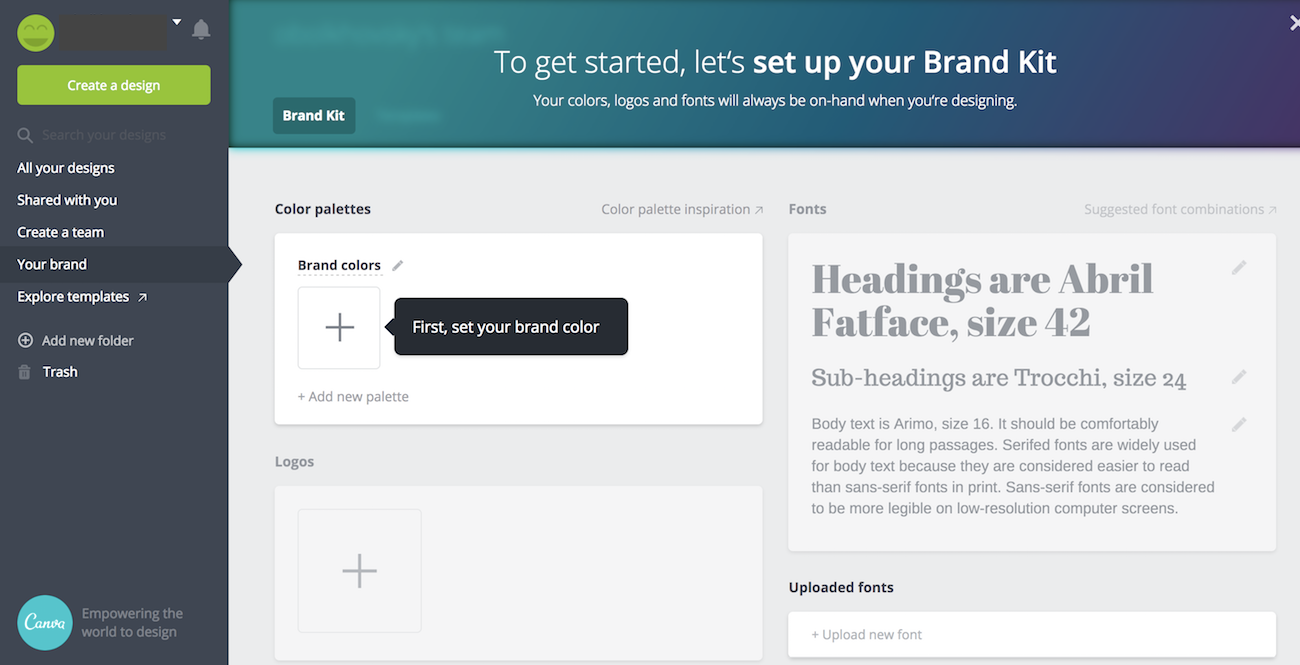
Canva uses progressive onboarding by allowing users to start creating designs almost immediately after entering the app. Instead of explaining every feature upfront, Canva introduces tools such as templates, text editing, and elements gradually as users interact with the editor. Tips and prompts appear contextually while users design, helping them learn the platform through actual creation rather than through a long initial tutorial.
What Is Front-Loaded Setup Onboarding
Front loaded setup follows the opposite philosophy. Before users can access the main product experience, they must complete a sequence of configuration steps.
These steps often include creating an account, verifying identity, setting preferences, connecting accounts, or granting permissions. The goal is to collect the information necessary to configure the product environment before the user begins interacting with it.
Once onboarding is complete, the product experience can be delivered in a fully prepared state, often with fewer interruptions later in the user journey.
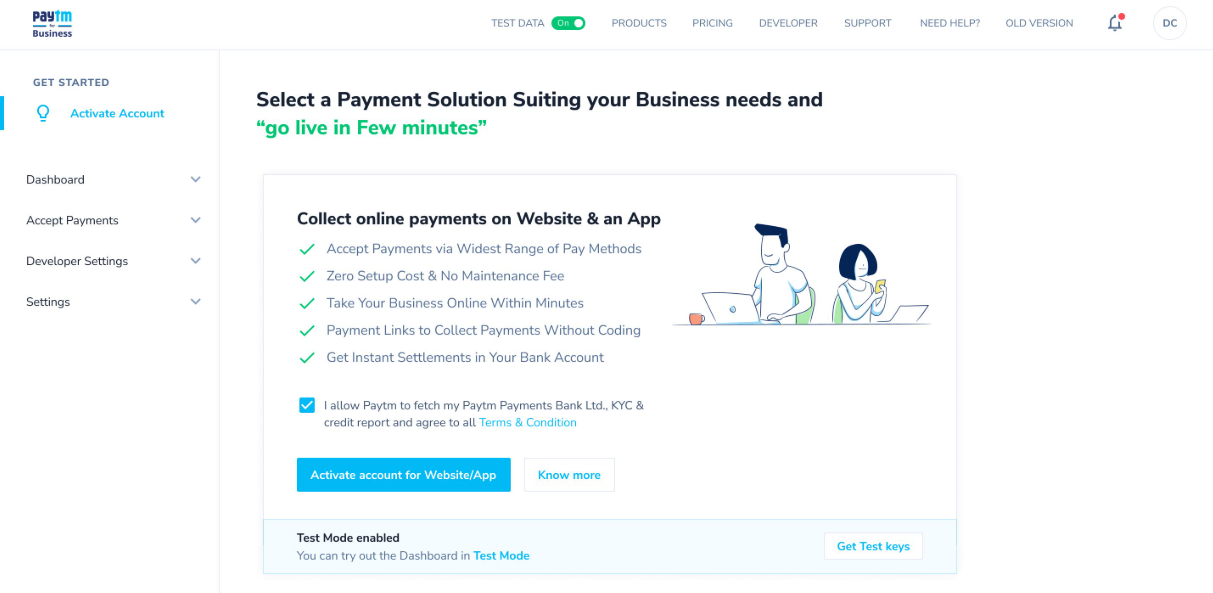
Paytm uses a front-loaded onboarding approach because financial services require identity verification and account setup before transactions can occur. New users must verify their phone number and often complete KYC verification to unlock wallet and payment features. This setup ensures security and regulatory compliance before users can access the core financial functionality of the app.
Progressive Disclosure: How the Pattern Works
Progressive disclosure is built around a simple design principle. Users should only encounter complexity when it becomes relevant to their goals.
Instead of presenting the entire product interface immediately, the system introduces capabilities gradually as users gain familiarity with the product. This approach aligns well with how people naturally learn new tools.
Gradual Feature Introduction
In a progressive onboarding model, users usually encounter a simplified version of the product during their first session. Only the most essential features are visible initially.
As users continue interacting with the product, new capabilities are introduced through prompts, feature highlights, or contextual suggestions. This gradual exposure prevents cognitive overload and helps users build confidence with the interface.
Contextual Guidance
Guidance in progressive onboarding typically appears exactly when users need it. Instead of presenting instructions at the beginning, the application offers assistance at the moment of interaction.
For example, when a user attempts to use a feature for the first time, the product may display a short explanation or highlight key controls. Because the guidance appears within the user's workflow, it often feels more relevant and helpful.
Learning by Doing
Progressive disclosure emphasizes experiential learning. Rather than reading about features, users discover them through direct interaction with the product.
This method often leads to stronger product understanding because users learn within the context of their own goals and actions. The onboarding experience becomes integrated into the product itself instead of existing as a separate introductory process.
Front-Loaded Setup: How the Pattern Works
Front loaded onboarding prioritizes preparation before product usage begins. The design assumption behind this pattern is that the product cannot provide meaningful value until certain information or configuration steps are completed.
By gathering this information early, the application ensures that the user environment is correctly prepared before the main product experience begins.
Collecting Required Information Upfront
Applications using front loaded onboarding typically begin by asking users to provide essential data. This might include personal information, account verification, preferences, or permissions required for the product to operate.
Collecting this information early allows the system to configure the user's environment accurately before they enter the main interface.
Configuring the Product Before Use
Many front loaded onboarding flows involve configuring the product itself. Users might be asked to select goals, import contacts, connect external services, or define settings that influence how the product behaves.
These steps help personalize the experience so that the product feels tailored from the very beginning.
Reducing Future Friction
Although front loaded onboarding introduces more steps at the beginning, it can significantly reduce friction later in the user journey.
Once setup is complete, users can interact with the product without encountering unexpected interruptions or additional configuration prompts.
Comparing the Two Patterns in Real Product Scenarios
Each onboarding pattern optimizes for different aspects of the user experience. The choice between them often depends on the product’s complexity, data requirements, and regulatory constraints.
Speed to First Value
Progressive disclosure usually allows users to reach their first meaningful product interaction quickly. Because fewer steps are required before entering the product, users can begin exploring almost immediately.
Front loaded onboarding delays this moment slightly, but ensures the environment is properly configured once the user begins interacting with the product.
User Cognitive Load
Cognitive load plays a major role in onboarding success. Presenting too many decisions at the start can overwhelm users who are still unfamiliar with the product.
Progressive disclosure manages cognitive load by spreading information across multiple interactions. Front loaded onboarding requires users to process several decisions early in the experience.
Data Requirements
Some products simply cannot function without specific user information. In these situations, front loaded onboarding becomes necessary.
Applications that depend on financial data, identity verification, or personalized configuration must gather this information before meaningful product usage can begin.
Trust and Compliance Needs
Industries such as finance, healthcare, and digital identity often include regulatory requirements within onboarding.
Identity verification, consent agreements, and security checks must occur before users can access core functionality. These requirements make front loaded onboarding the practical choice for many regulated products.
| Factor | Progressive Disclosure | Front-Loaded Setup |
|---|---|---|
| Time to first value | Very fast | Slower initial access |
| Cognitive load | Lower at the start | Higher early effort |
| Data requirements | Minimal initially | Significant upfront |
| Compliance compatibility | Limited | Strong |
When Progressive Disclosure Works Best
Progressive disclosure works particularly well for products that emphasize exploration, creativity, or casual engagement.
Social media platforms, note taking apps, habit trackers, and content platforms often benefit from allowing users to start quickly and discover capabilities gradually. These products typically deliver value without requiring extensive configuration.
Because the barrier to entry is low, users can experience immediate engagement. Over time, progressive feature exposure deepens product usage without overwhelming new users.
When Front-Loaded Setup Is the Better Choice
Front loaded onboarding is often necessary for products that depend on verified information or structured configuration.
Fintech applications, digital banking platforms, healthcare systems, and enterprise tools frequently require identity verification, security checks, or detailed preferences before users can begin using the product.
In these contexts, the onboarding process also serves as a trust building mechanism. Users expect structured setup when sensitive data or financial transactions are involved.
Hybrid Onboarding: Why Many Apps Combine Both
In practice, many successful mobile apps combine both patterns rather than relying entirely on one approach.
A product might require minimal setup at the beginning, such as account creation or preference selection. After that point, additional features and guidance appear progressively as users explore the interface.
This hybrid approach balances efficiency and clarity. Essential configuration happens early, while complexity unfolds gradually as users become more comfortable with the product.
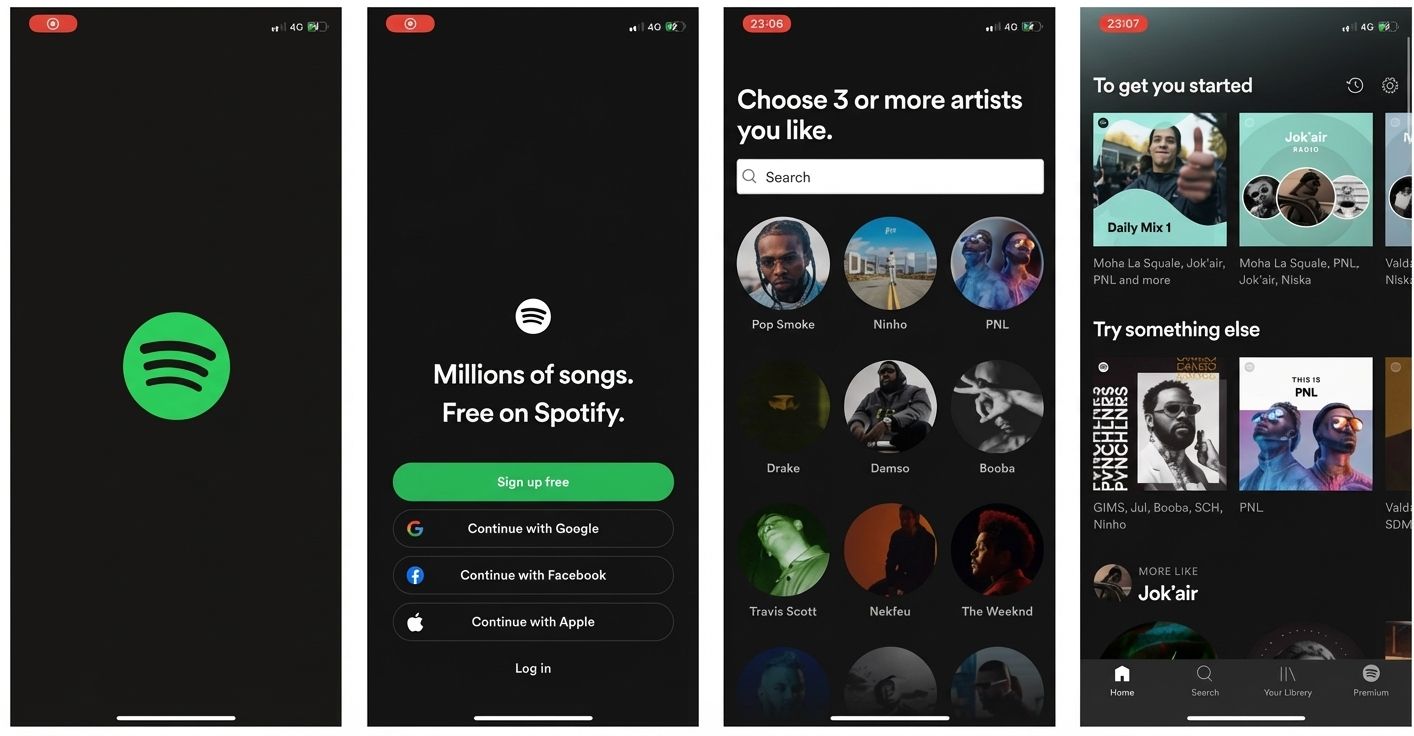
Spotify uses a hybrid onboarding approach that combines both front loaded setup and progressive disclosure. During the initial onboarding, users select a few favorite artists or genres, which helps the system personalize music recommendations. After this short setup, the app introduces features like playlists, discovery tools, and social listening gradually as users explore the platform.
This approach ensures that Spotify collects the minimum information required for personalization while still allowing users to begin listening quickly. Over time, the product reveals deeper features through exploration, balancing immediate value with gradual learning.
Common Mistakes Teams Make With These Patterns
Even when teams select the appropriate onboarding pattern, execution mistakes can still undermine the experience.
Hiding Critical Setup Too Late
Some products delay important configuration steps in an attempt to reduce initial friction. However, introducing critical setup requirements later in the workflow can interrupt the user experience and create frustration.
Important setup steps should occur before users become dependent on features that require them.
Asking for Too Much Too Early
Long forms and complex setup flows can discourage new users before they understand the product’s value.
When users cannot see immediate benefits, their motivation to complete onboarding decreases dramatically.
Confusing Activation With Onboarding Completion
Many teams measure onboarding success using activation metrics alone. However, a user may complete activation without fully understanding how to use the product effectively.
True onboarding success occurs when users can independently achieve meaningful outcomes with the product.
A Decision Framework for Choosing the Right Pattern
Selecting the appropriate onboarding structure requires careful evaluation of several product characteristics.
Product teams should consider the following questions when designing onboarding flows:
| Decision Factor | Key Question |
|---|---|
| Product complexity | Can users understand the product through exploration? |
| Time to value | How quickly can users experience the core benefit? |
| Data requirements | Does the product require user data before functioning? |
| Compliance | Are identity verification or regulatory checks required? |
| User motivation | How strong is the user's reason for completing setup? |
By evaluating these factors early in the design process, teams can select an onboarding structure that aligns with both product requirements and user expectations.
Metrics That Reveal Whether the Pattern Is Working
Regardless of which onboarding pattern a product uses, measurement is essential for improvement.
Several metrics can reveal whether onboarding effectively guides users toward product success.
| Metric | What It Reveals |
|---|---|
| Time to first value | How quickly users experience meaningful benefit |
| Onboarding drop off rate | Where users abandon the onboarding process |
| Setup retries | Areas of confusion or unclear instructions |
| Early churn | Whether onboarding creates lasting engagement |
Analyzing these signals helps teams identify friction points and refine the onboarding experience over time.
Practical Guidelines for Designing Mobile Onboarding Flows
Several design principles consistently improve onboarding experiences regardless of the pattern used.
First, reduce the number of steps required before users can experience meaningful value. Early product success increases motivation to continue.
Second, present guidance in context whenever possible. Instructions that appear during real interactions are often more effective than static walkthroughs.
Third, communicate the purpose of any required setup step clearly. When users understand why information is needed, they are more likely to provide it willingly.
Finally, treat onboarding as an ongoing learning process rather than a one time checklist. Product education should continue beyond the first session.
Conclusion: Designing Onboarding Around User Readiness
The choice between progressive disclosure and front loaded setup is not about identifying a universally superior pattern. Each approach solves different onboarding challenges.
Products that benefit from exploration and rapid engagement often succeed with progressive onboarding. Products that depend on configuration, verification, or regulatory compliance tend to require front loaded setup.
The most effective onboarding experiences are those that align product complexity with user readiness. When onboarding reflects how users naturally learn and interact with a product, the transition from new user to confident user becomes much smoother.
Designing onboarding with this perspective allows mobile apps to reduce friction, accelerate learning, and guide users toward long term product success.