


Mobile apps are often evaluated through acquisition metrics. Product dashboards highlight installs, marketing campaigns celebrate download spikes, and app store rankings become a sign of early success. When an app reaches thousands or even millions of installs, it appears that growth is already underway.
But installs rarely indicate real adoption.
When users open an app for the first time, they enter an unfamiliar environment. They do not yet understand the interface, the product's capabilities, or how to achieve the goal that motivated them to install the app in the first place. If this initial experience feels confusing or overwhelming, many users abandon the product within minutes.
This is why onboarding exists.
Mobile app onboarding is the process of guiding new users from their first launch to their first meaningful experience inside the product. Instead of forcing users to explore the app blindly, onboarding explains what the product does, how it works, and what users should do first.
When onboarding works well, the transition from installation to engagement becomes smooth. When it fails, many users never return after their first session.
Understanding What Mobile App Onboarding Really Means
Onboarding is often misunderstood as a series of welcome screens or tutorial slides. In reality, onboarding is a structured experience that helps users understand and adopt a product quickly.
Every mobile app has a moment where the user begins to experience the product's core value. This moment is often called activation. Before reaching this stage, users must typically complete several initial steps such as creating an account, configuring settings, or interacting with key features.
Without guidance, these early steps can feel like friction.
Onboarding reduces this friction by introducing the product gradually and providing clear direction. Instead of overwhelming users with every feature at once, onboarding helps them focus on the actions that matter most during the first session.
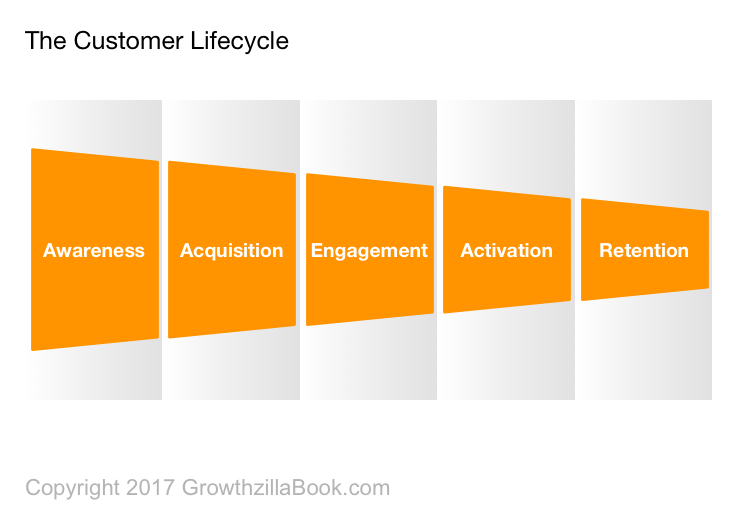
A simple way to understand the role of onboarding is through the journey it supports.This progression shows that onboarding is not simply a design element. It is the system that connects user acquisition with product adoption.
The Gap Between Installation and Product Value
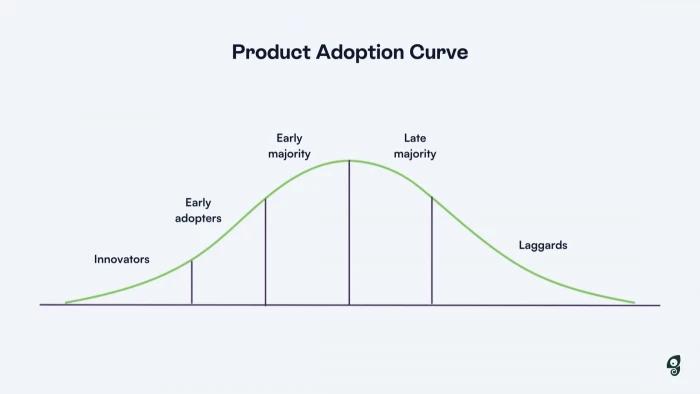
One of the most critical challenges in mobile product design is the gap between downloading an app and experiencing its core value.
Users install apps with specific goals in mind. A travel app promises easier bookings. A productivity app promises better organization. A fitness app promises better health tracking. However, these benefits are not always immediately visible when the user opens the app.
Many products require several actions before value becomes clear.
For example, a music streaming app may require creating an account and selecting favorite artists before recommendations become useful. A messaging platform may require adding contacts before conversations can begin. A finance app may require linking accounts before insights appear.
If users do not reach this point quickly, the app feels unnecessary.
Onboarding shortens the time between first launch and first value. By guiding users through the necessary steps, onboarding ensures that the product's benefits become visible as early as possible.
How Onboarding Improves User Activation
In mobile analytics, activation refers to the moment when a user completes a meaningful action that demonstrates real engagement with the product.
Different types of apps define activation differently. For some apps, activation may occur when a user creates their first piece of content. For others, it may occur when a purchase is completed or a connection is established.
The following table shows how activation milestones vary across app categories.
| App Category | Example Activation Event |
|---|---|
| Social media | Creating a profile and following users |
| Messaging | Sending the first message |
| E-commerce | Adding an item to cart or completing a purchase |
| Fitness | Logging the first workout |
| Productivity | Creating the first task or project |
| Finance | Linking a bank account |
Without onboarding, many users never reach these milestones because the path toward activation is unclear.
Onboarding provides structure to the early experience. Instead of leaving users to explore randomly, it guides them toward the actions that unlock the product’s value. This structured approach significantly increases the likelihood that users become active participants rather than passive visitors.
Onboarding as a Driver of Long-Term Retention
Retention measures how many users continue using an app after their first session, first day, or first week. While retention is often monitored over long timeframes, the foundations of retention are established during the very first interaction with the product.
If users quickly understand how the app helps them achieve their goals, they are more likely to return. If the experience feels confusing, unnecessary, or complicated, the app may never be opened again.
Onboarding plays a central role in shaping this outcome.
By guiding users through meaningful actions early in the journey, onboarding creates a sense of progress and familiarity. Users begin to understand how the product fits into their daily routines. This familiarity increases the probability that the app becomes part of their regular behavior.
A widely cited principle in product design highlights this relationship clearly:
“Retention is often determined in the first session.”
When onboarding successfully delivers value during the first interaction, the chances of long-term engagement increase dramatically.
Reducing Friction in the First User Experience
First-time users often encounter multiple sources of friction when opening a new mobile app. These obstacles may include complex navigation, unclear functionality, excessive permissions, or overwhelming feature sets.
When too many barriers appear simultaneously, the experience becomes frustrating.
Onboarding helps reduce this friction by structuring the early interaction into manageable steps. Instead of presenting the entire product immediately, onboarding introduces features progressively and focuses on the most important actions.
For example, many modern apps avoid presenting every feature at once. Instead, they reveal capabilities gradually as the user begins interacting with the product. This approach is known as progressive disclosure, and it helps maintain clarity while preventing cognitive overload.
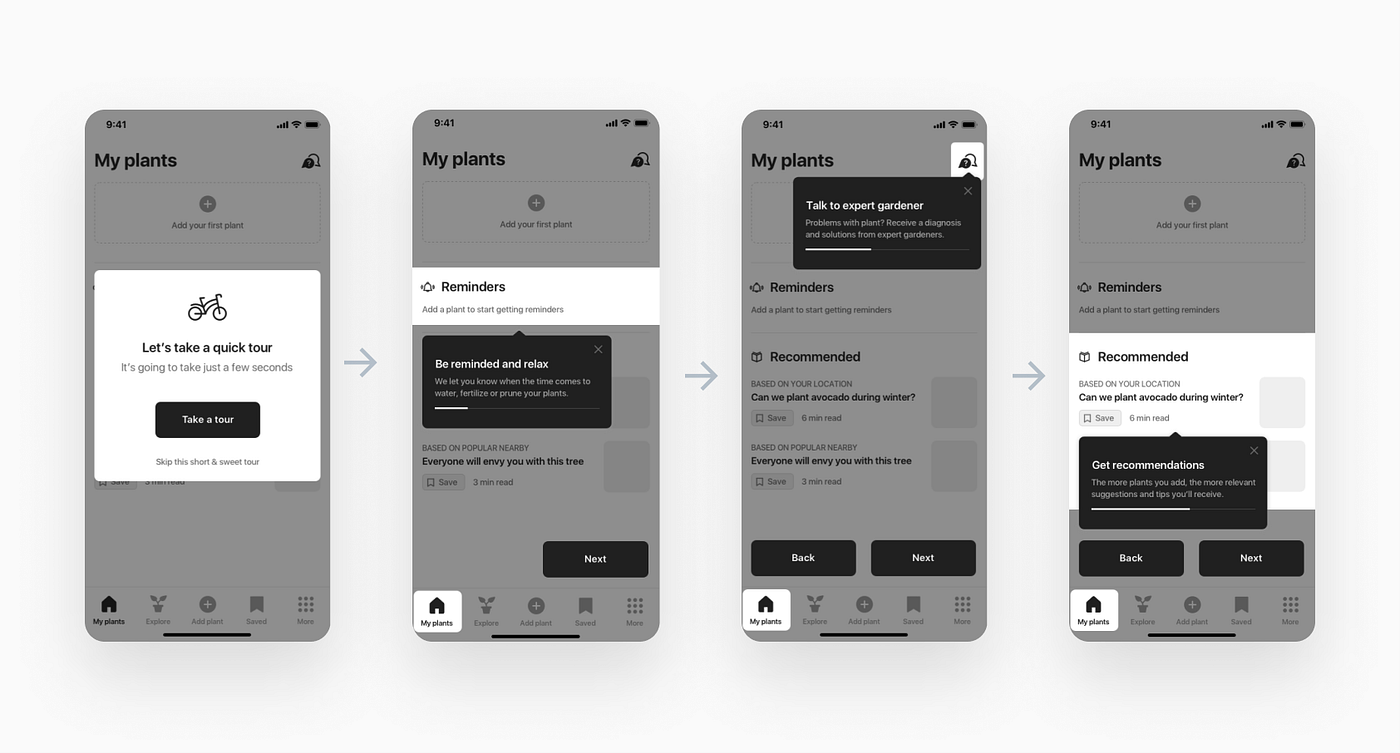
By carefully controlling how information appears during the first session, onboarding ensures that the product feels approachable rather than intimidating.
Helping Users Discover Important Features
Another challenge for mobile products is that many users never discover the features that make the product valuable.
Mobile interfaces often rely on gestures, menus, or layered navigation structures that hide capabilities behind multiple screens. While experienced users may eventually discover these features, new users rarely explore deeply enough to find them.
Onboarding helps surface these capabilities early.
By highlighting key features during the first sessions, onboarding ensures that users understand what the product can actually do. This improves engagement because users become aware of functionality they might otherwise overlook.
The difference between guided discovery and unguided exploration can determine whether users perceive an app as powerful or limited.
Building User Confidence and Trust
Onboarding also plays an important psychological role. When users first interact with an unfamiliar app, they often feel uncertain about how the interface works or whether their actions will have unintended consequences.
Guided onboarding experiences reduce this uncertainty.
By explaining features clearly and demonstrating expected behaviors, onboarding helps users build confidence in navigating the product. As users begin completing actions successfully, they develop a sense of control and familiarity.
Trust is especially important for apps that require sensitive information, such as financial services, healthcare platforms, or productivity tools that store personal data. In these cases, onboarding helps communicate how the product works and why certain permissions or inputs are required.
This transparency encourages users to continue using the product.
Aligning User Expectations with Product Value
Another key role of onboarding is setting expectations.
Users install apps with certain assumptions about what the product will do for them. If those expectations are not aligned with the actual experience, disappointment can occur even if the product itself is well designed.
Onboarding helps clarify the product’s value proposition and communicate how users should interact with the app.
For example, a habit-tracking app may explain that consistency over time is more important than daily perfection. A budgeting app may highlight that insights become more accurate as more transactions are recorded.
By framing the product’s benefits correctly, onboarding ensures that users interpret their experience in the right context.
The Strategic Importance of Onboarding for Product Teams
For product teams, onboarding is not merely a user interface feature. It is a strategic component of product growth.
Without onboarding, acquisition efforts may produce installs but fail to produce meaningful adoption. Marketing campaigns may attract new users, yet the majority may abandon the app before discovering its value.
Effective onboarding ensures that the investment in user acquisition translates into real engagement.
From a product analytics perspective, onboarding also provides measurable signals about user behavior. Teams can track completion rates for onboarding steps, analyze where users drop off, and experiment with different flows to improve activation rates.
This makes onboarding one of the most powerful levers for improving both user experience and product performance.
Conclusion: Onboarding as the Bridge Between Installation and Engagement
In today’s mobile ecosystem, users have access to millions of apps and extremely low switching costs. Installing a new product takes seconds, and abandoning it takes even less time.
In this environment, the first experience determines whether an app survives on a user’s device.
Onboarding acts as the bridge between curiosity and commitment. It transforms a simple download into a guided journey where users understand the product, experience its value, and gain confidence in using it.
When designed thoughtfully, onboarding reduces confusion, accelerates activation, and strengthens retention. It ensures that users do not just open the app once, but continue returning because they understand how the product fits into their lives.
For modern mobile products, onboarding is not optional. It is the foundation upon which meaningful user engagement is built.