


Most teams think Mobile App Onboarding starts when the app opens.
It doesn’t.
It starts when someone taps “Install.”
In that moment, a quiet decision has already been made. The user believes something about your product. They expect relief, improvement, speed, clarity, something better than what they have now. From that second onward, your onboarding funnel is not guiding them through screens. It is guiding them through psychological states.
Mobile onboarding is not a UI flow. It is a progression from curiosity to conviction.
Every day, thousands of apps are installed and deleted within minutes. Not because the product is bad, but because the first session failed to create belief.
What actually happens between install and retention is not random. It follows a pattern, a series of psychological shifts that determine whether a user stays or leaves. That journey can be broken down into five critical stages:
- Anticipation, the expectation formed before the app even opens
- Orientation, understanding what the app is and what to do first
- Participation, taking the first meaningful action
- Evidence, experiencing visible proof of value
- Certainty, believing the app is worth returning to
Each stage builds on the one before it. If even one transition breaks, the entire funnel weakens.
TL;DR
- Mobile onboarding starts at install, not first app open
- Users move through five psychological states: Anticipation → Orientation → Participation → Evidence → Certainty
- Drop-offs happen when transitions between these states break
- Strong onboarding reduces time to value and builds early belief
- Retention begins only after certainty is achieved and reinforced
Before the App Opens: Anticipation
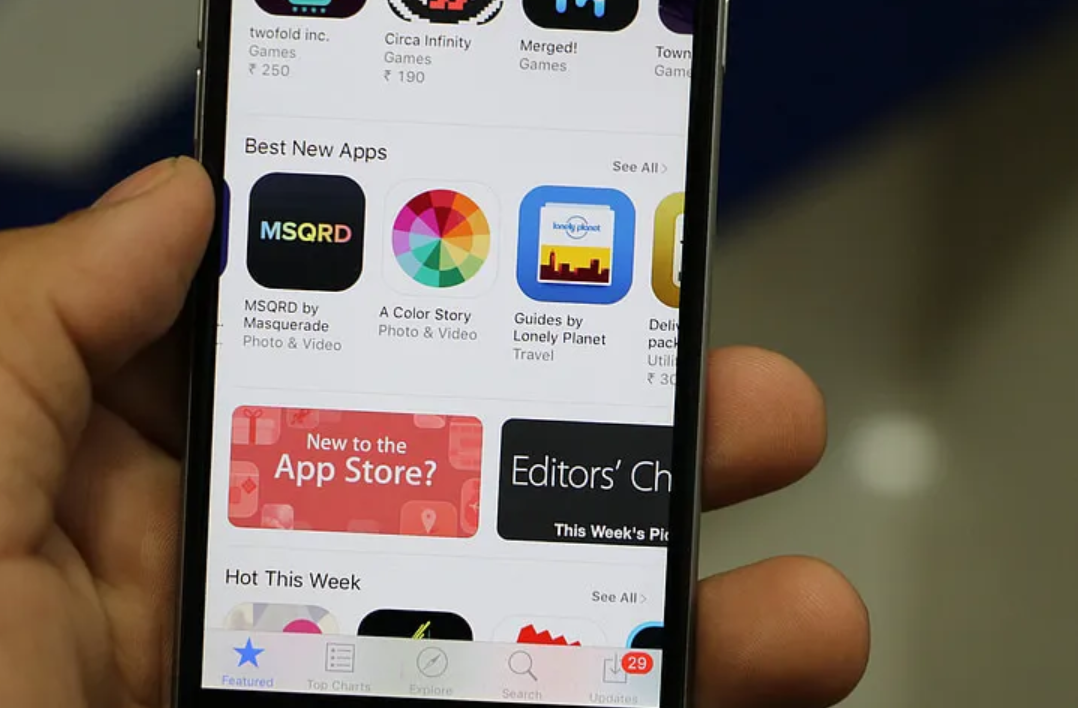
By the time your app is installed, the user has already formed an expectation. The app store description shaped it. The screenshots reinforced it. The reviews validated it.
Maybe they believe your app will help them manage money better. Maybe they think it will make studying easier. Maybe they hope it will organize their chaotic schedule.
Take Duolingo as an example. When someone installs it, their belief is simple: “I want to improve my English.” The store page reinforces that belief with phrases like “Learn in minutes a day” and visuals of streaks, levels, and progress. The expectation is clear. This app will make learning structured and achievable.
That expectation, that quiet belief, is Anticipation. It is fragile.
If your app promises simplicity but opens with complexity, trust erodes immediately. If it promises personalization but delivers something generic, doubt creeps in before the user even explores.
Duolingo understands this well. The playful tone and approachable visuals shown in the store continue seamlessly inside the app. There is no sudden shift in personality or complexity.
The first in-app experience must feel like a continuation of the promise, not a reset. Onboarding succeeds when anticipation and reality feel aligned.
When they do not align, the funnel leaks before it even begins.
First Open: Orientation
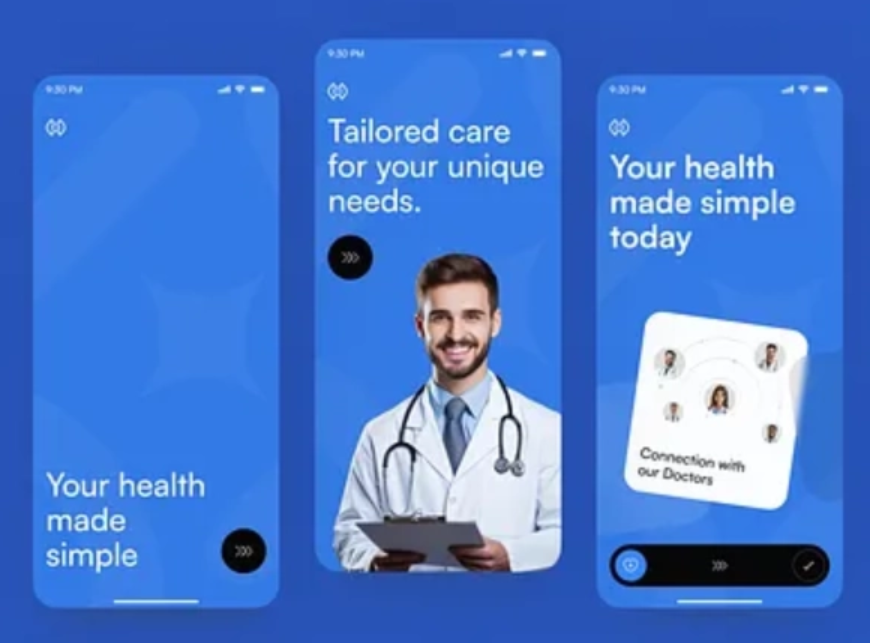
The app launches. The user pauses.
They scan the screen, not to admire the design, but to understand it.
What is this?
What can I do here?
What should I do first?
This is Orientation, and it is one of the most underestimated stages in onboarding.
Many teams overload this moment. They explain features. They introduce tutorials. They show multiple pathways. But orientation is not about information density. It is about directional clarity.
Duolingo does not open with a dense dashboard. It asks one simple question: “What language do you want to learn?” That is it. The path is obvious. The decision feels easy.
One clear next step is powerful.
Multiple competing actions create hesitation.
If a user needs to think too hard about what to do first, momentum weakens. If the primary action feels obvious, exploration feels natural.
Orientation is about reducing cognitive friction. It is about making forward movement effortless.
First Action: Participation
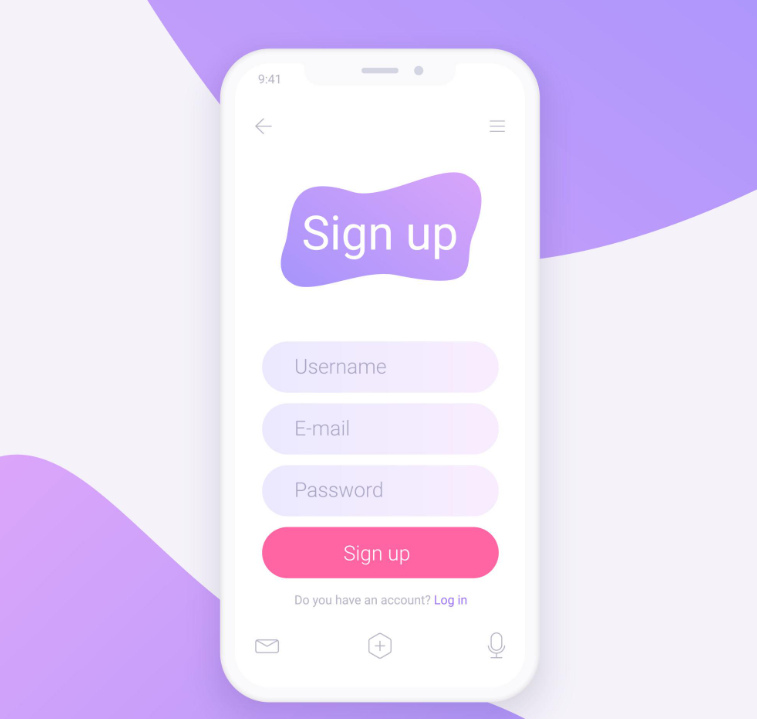
Eventually, the user interacts. They sign up, connect something, enter information, or take a first step.
This is Participation, the shift from passive observer to active user.
Here, friction becomes real.
Every required field adds weight. Every permission request introduces risk. Every unnecessary step delays value. The user is now investing effort, and effort demands return. The longer the distance between effort and visible value, the higher the abandonment rate.
Strong onboarding reduces time to value, the time between install and first meaningful outcome.
In Duolingo’s case, after selecting a language, the app offers a quick placement test. Instead of asking for long forms or complex setup, it immediately moves the user into answering simple, interactive questions. It feels less like configuration and more like learning has already started.
The goal at this stage is not onboarding completion. It is progress toward meaning.
If the first action feels like administrative work, abandonment follows. If it feels like movement toward something useful, engagement increases.
Participation should feel purposeful and lightweight. The faster effort converts into visible value, the stronger the funnel becomes.
First Outcome: Evidence
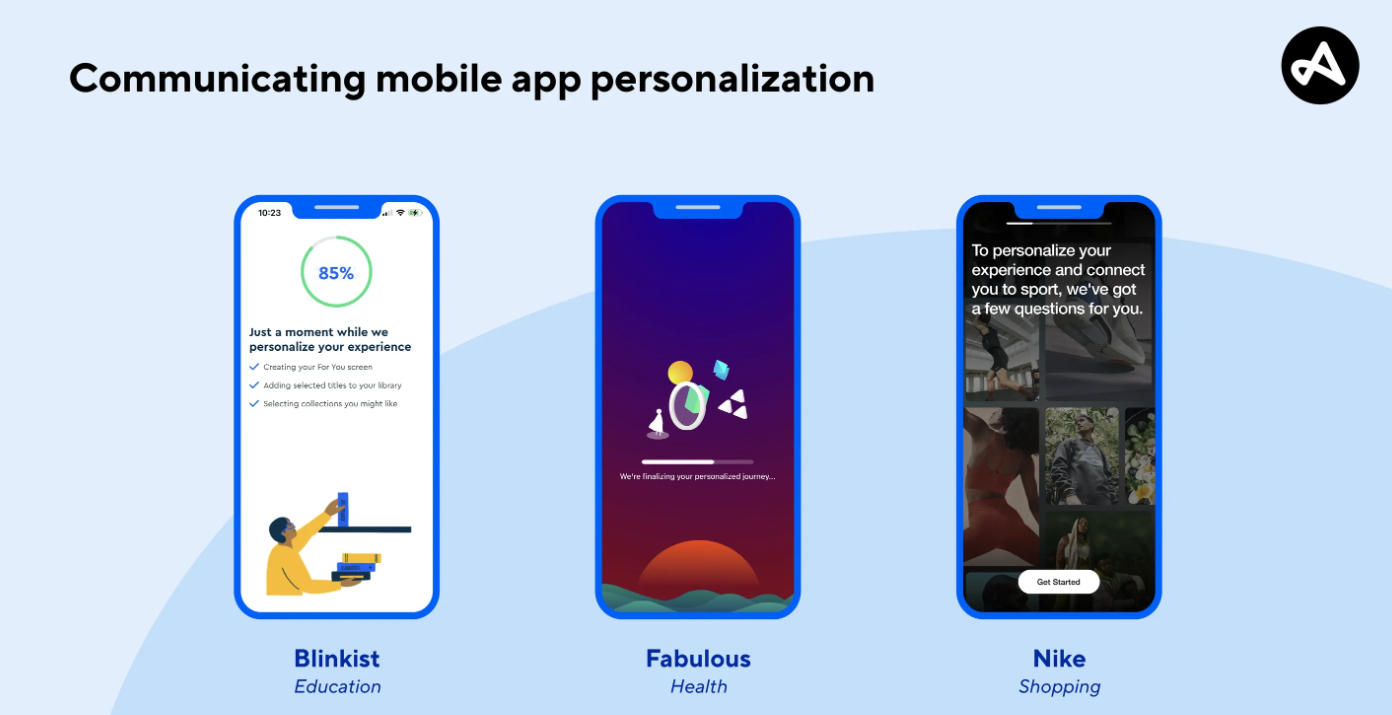
After action comes response. A dashboard appears, a recommendation loads, a plan is generated, a result becomes visible.
This is Evidence, the moment when the product must justify the effort that came before it.
The user is silently asking, “Was that worth it?” The answer cannot be abstract. Evidence must feel meaningful, not merely functional.
In Duolingo’s flow, once the placement test ends, the app positions the user at a specific level in the learning path. Certain beginner units are skipped. A structured roadmap appears. The user can see what is ahead and where they stand.
A generic output feels hollow. A personalized insight feels powerful because it signals that the system understood the user’s input and translated it into something valuable.
When Duolingo shows a tailored starting point instead of a default beginner lesson, the user thinks, “This knows my level.” That small realization strengthens trust.
If the first outcome feels impressive or revealing, curiosity turns into confidence. If it feels ordinary or predictable, excitement fades.
Evidence is the proof stage of the funnel, where promise becomes reality and the product earns or loses conviction.
The Moment That Actually Matters: Certainty
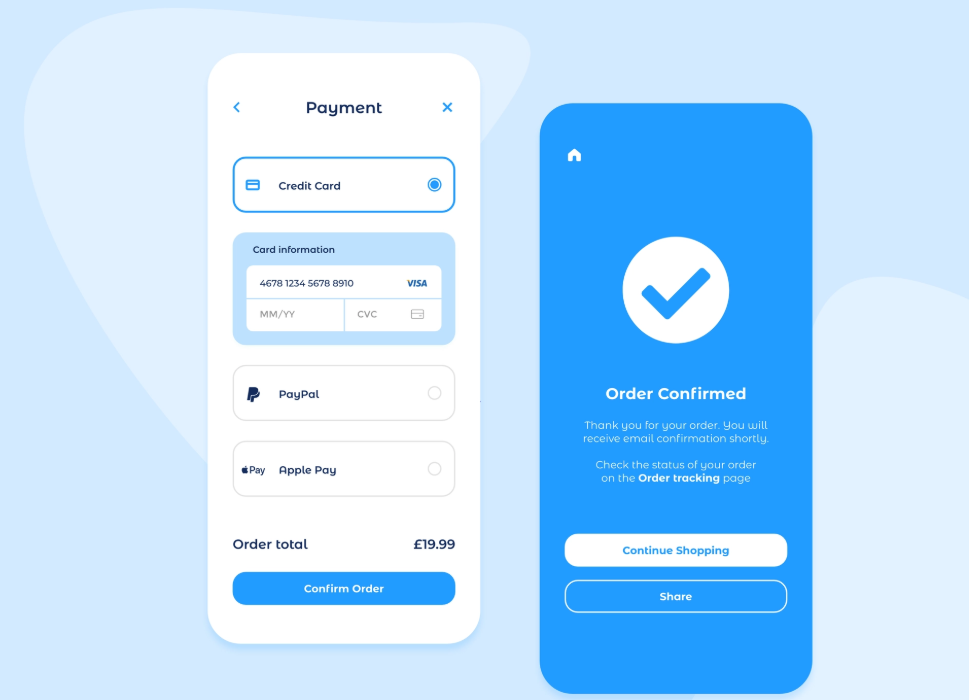
Then comes a subtle shift.
The user thinks, “This is useful,” or “I didn’t expect that,” or simply, “I’ll come back.” That feeling is Certainty.
It is not about signup, subscription, or completion rates. It is about belief. It is the moment when the user feels the app is worth keeping.
In Duolingo’s case, certainty often happens after a few short lessons. The user earns points. They unlock the next unit. The structure feels manageable. Progress feels visible. The learning does not feel overwhelming.
They do not think, “I completed onboarding.”
They think, “I can actually do this daily.”
Many onboarding flows move users through every step but never create this feeling. People finish the process, yet they are not convinced. Without conviction, they do not return.
Certainty is what turns trying an app into deciding to use it. That decision often happens silently, long before any subscription or conversion metric records it.
Silent Funnel Killers
Many onboarding funnels do not fail because the product is weak. They fail because friction appears at the wrong moment.
The most common collapse points are subtle. A permission request appears before the user understands why it is needed. An account creation wall blocks exploration before any value has been demonstrated. A dashboard loads empty, offering no direction. A generic interface feels templated instead of personal. Or worse, the first session introduces too many features at once, overwhelming rather than guiding.
None of these seem dramatic on their own. Each one quietly interrupts a psychological transition.
When a permission request appears before value, it disrupts Anticipation. When the first screen is cluttered, Orientation suffers. When forms feel long and heavy, Participation becomes burdensome. When the first outcome feels generic, Evidence weakens.
Onboarding rarely breaks all at once. It breaks at a specific state.
So when metrics drop, the question is not “Is onboarding weak?” It is far more precise.
Is Orientation unclear?
Is Participation too heavy?
Is Evidence too weak to create belief?
If you identify the broken transition, you fix the funnel. If you treat onboarding as one big block, you miss the real leak.
| Aspect | Weak Onboarding | Strong Onboarding |
|---|---|---|
| First Screen | Cluttered, unclear | One clear next step |
| First Action | Feels like work | Feels like progress |
| First Outcome | Generic | Personalized and meaningful |
| User Feeling | Confusion | Confidence |
The Funnel as a System
When you stop thinking in screens and start thinking in states, everything changes.
You no longer optimize for prettier UI. You optimize for smoother transitions. You do not celebrate signup rates alone. You measure how many users actually reach conviction. You do not rush to add features. You focus on accelerating proof.
The mobile onboarding funnel is not Install → Signup → Done.
It is Anticipation → Orientation → Participation → Evidence → Certainty.
Each stage exists for a reason. Each transition either strengthens or weakens belief. Growth does not come from downloads alone. It comes from belief reinforced through experience.
Belief is not accidental.
It is engineered or lost in the first session.
| Aspect | Traditional Approach | Psychological Funnel Approach |
|---|---|---|
| Focus | Screens and steps | User belief and mental states |
| Goal | Completion (signup) | Conviction (certainty) |
| Measurement | Conversion rates | State transitions (drop-offs per stage) |
| Optimization | UI and flows | Friction between psychological stages |
Certainty Is the Beginning, Not the End
Reaching certainty is powerful, but it is not retention.
Certainty means the user believes the app is useful. It means the product has earned trust. Trust alone does not create habit.
Once certainty is achieved, the user’s internal question shifts. It moves from “Is this useful?” to “Does this fit into my routine?”
That shift changes what matters.
Now notification timing becomes critical. Now follow-up nudges matter. Now the second meaningful action becomes more important than the first. Now streaks, reminders, and gentle reinforcement start shaping behavior. The second meaningful action often matters more than the first because it signals repetition.
Certainty opens the door. Habit keeps it open.
If onboarding stops at proof and never supports repetition, belief fades. When certainty is followed by consistent reinforcement, the product becomes part of the user’s rhythm.
That is when onboarding evolves into retention.
How to Fix Your Onboarding Funnel Step by Step
- Map Your Current Funnel to the Five States
Identify where Anticipation, Orientation, Participation, Evidence, and Certainty occur in your app. - Find the Weakest Transition
Look at drop-offs between stages, not just overall conversion rates. - Reduce Friction at That Stage
- Orientation unclear → simplify first screen
- Participation heavy → reduce fields and steps
- Evidence weak → improve first outcome quality
- Shorten Time to Value
Ensure users experience meaningful output as early as possible. - Strengthen Evidence with Personalization
Replace generic outputs with tailored results. - Reinforce Certainty Quickly
Add signals like progress, feedback, or visible improvement. - Support the Second Action
Design nudges that bring users back for a repeat interaction.
Methodology
This framework is based on:
- Behavioral analysis of first-session user journeys across mobile apps
- Observations of onboarding patterns in products like Duolingo
- Study of drop-off patterns between install, activation, and retention stages
- Synthesis of product, UX, and growth principles applied in real-world apps
The goal is not to describe onboarding flows, but to explain how user belief forms and breaks during the first session, and how that impacts retention.
Conclusion: Onboarding Is the Engine of Belief
Mobile onboarding is often treated as an introduction, a short sequence users must pass through before reaching the real product. But onboarding is not a preface. It is the engine that determines whether the product will matter at all.
From the moment someone taps “Install,” they carry an expectation. That expectation must be honored through clarity, reinforced through participation, proven through evidence, and ultimately transformed into certainty. Every screen, every interaction, every micro decision either strengthens belief or weakens it.
When onboarding works, users do not feel like they completed a flow. They feel understood. They feel progress. They feel possibility. That feeling, not a signup metric or a feature checklist, is what drives return behavior.
Strong products are not retained because they are downloaded. They are retained because they create conviction early.
If you want sustainable growth, do not just optimize your UI. Do not just increase activation rates. Engineer the journey from anticipation to certainty. Shorten the distance between effort and proof. Design for psychological progression, not just task completion.
In mobile, the first session is not an introduction. It is a verdict.
Belief is either built or lost before the second one ever begins.