


In product analytics dashboards across mobile companies, one metric often receives disproportionate attention: activation. When activation numbers increase, teams celebrate. The assumption is straightforward that if users complete a key action such as creating an account, enabling a feature, or performing their first meaningful task, onboarding must be working.
On paper, this interpretation seems reasonable. Activation represents the moment when users interact with the product’s core value for the first time. From an analytics perspective, it is a clean and measurable milestone.
However, this assumption hides a deeper problem. Activation measures the moment a user touches value, while onboarding measures whether the user understands how to keep finding value. These moments are connected but fundamentally different.
When product teams treat activation as the finish line of onboarding, they often celebrate success far earlier than they should. What appears to be successful onboarding may actually be the beginning of a much longer learning process.
“Activation is the first proof of value. Onboarding is the process of helping users reach that value repeatedly and confidently.”
Understanding this distinction is essential for designing mobile experiences that create long-term engagement rather than short-term success signals.
What Product Teams Usually Mean by “Activation”
Activation typically refers to a single milestone event that signals a user has reached initial product value. It represents the first moment when the product begins solving the user’s problem.
In mobile apps, activation events commonly include actions such as:
- Creating the first project in a productivity app
- Sending the first message in a communication platform
- Completing identity verification in a fintech app
- Following the first account in a social network
- Uploading the first file in a collaboration tool
These actions indicate that users have moved beyond passive exploration and started interacting with the product meaningfully. Because activation events are clear and measurable, they fit neatly into analytics systems.
Activation metrics are attractive for another reason: they are easy to optimize. Product teams can run experiments to reduce friction, shorten funnels, and guide users more efficiently toward the activation event.
Over time, activation becomes a convenient proxy for onboarding success. If more users activate, the onboarding experience appears to be improving.
But convenience does not always equal accuracy. Measuring a single milestone cannot capture the complexity of how users actually learn a product.
What Onboarding Actually Means
Onboarding is not a single event. It is a process of learning, confidence-building, and habit formation.
A user who has truly completed onboarding typically demonstrates several behaviors. They understand the purpose of the product, know how to perform its core actions, and feel comfortable returning to it without guidance. Most importantly, they recognize how the product fits into their routine or solves their problem consistently.
In mobile environments, onboarding carries additional challenges. Users often arrive with limited patience and fragmented attention. Sessions are shorter, interruptions are frequent, and trust must be earned quickly.
This means onboarding must accomplish more than guiding users through a feature. It must reduce uncertainty, clarify value, and help users build a mental model of how the product works.
Activation may occur during this journey, but it rarely marks its completion. In many cases, it represents only the first successful step in a much longer learning process.
Why Activation Became the Default Success Metric
Activation became dominant largely because it aligns perfectly with how modern analytics tools measure behavior. Product analytics platforms track events, funnels, and conversions, which are well suited to measuring discrete actions.
Understanding, however, is much harder to quantify.
Analytics tools cannot easily measure whether a user truly understands how a product works. They cannot capture whether the user feels confident returning to the app later or whether they grasp the long-term value of the product.
As a result, teams gravitate toward metrics that are easy to observe. Activation events provide a clear binary state: the user either completed the action or did not.
Over time, these measurable milestones begin to stand in for the more complex reality of onboarding. Dashboards show activation improving, and product teams assume onboarding must also be improving.
Yet the relationship between the two metrics is not always straightforward. Activation can rise while deeper user understanding remains unchanged.
Where Activation and Onboarding Diverge
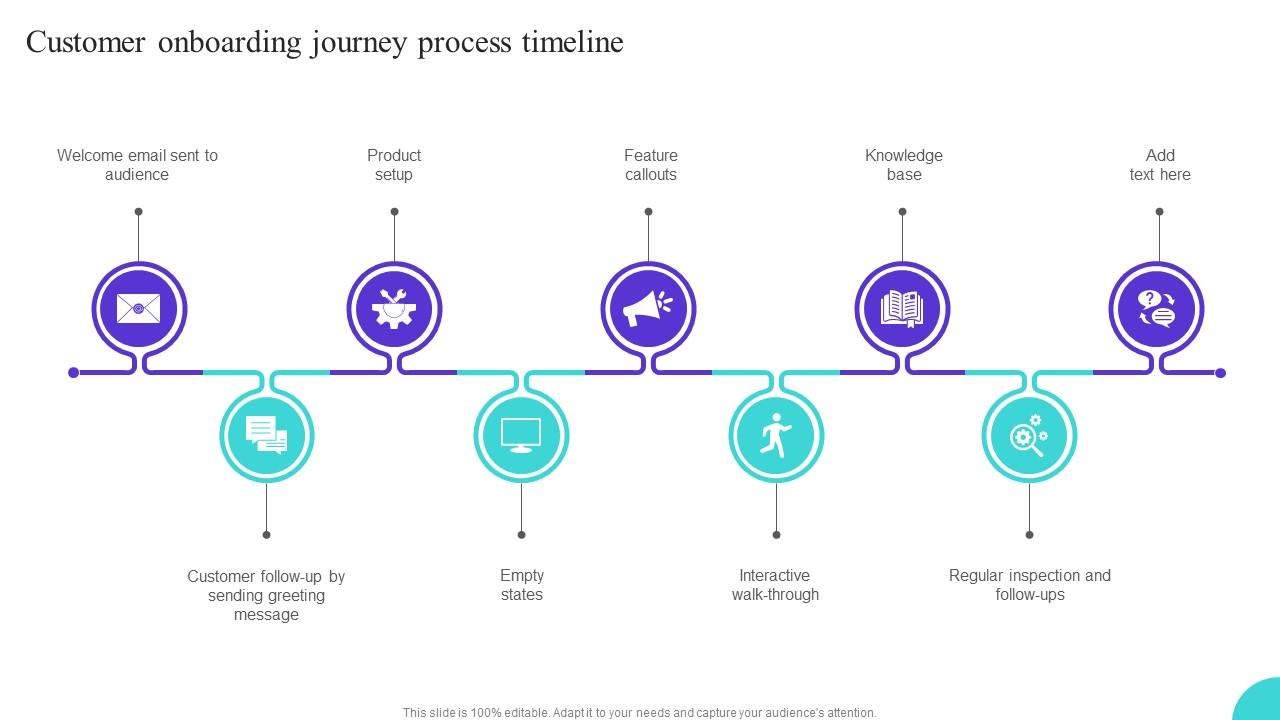
The difference between activation and onboarding becomes clearer when we examine what each metric actually captures. While both relate to early user experience, they measure very different outcomes.
Completing a Step vs Building User Confidence
Activation records whether a step occurred. Onboarding determines whether the user feels confident repeating that step independently.
A user might successfully perform an action because the interface guided them carefully during onboarding. However, if they cannot repeat the same action later without assistance, onboarding has not truly succeeded.
First Feature Use vs Product Understanding
Activation usually focuses on the first interaction with a core feature. Onboarding focuses on whether the user understands how that feature fits into the broader product experience.
For example, a messaging app may treat sending the first message as activation. But that single action does not guarantee the user understands group conversations, notification settings, or message organization.
Short-Term Metrics vs Long-Term Retention
Activation captures behavior during the earliest interactions with the product. Onboarding success often reveals itself much later through patterns such as repeated usage, deeper feature adoption, and long-term retention.
The following table highlights this contrast.
| Dimension | Activation | Onboarding |
|---|---|---|
| Timeframe | First interaction | Multiple sessions |
| Focus | First value event | Understanding and confidence |
| Measurement | Event completion | Behavioral patterns |
| Goal | Initial engagement | Sustainable product usage |
A user who activates but never returns demonstrates a common scenario: activation occurred, but onboarding never truly succeeded.
The Problem With Measuring Only Activation
When product teams rely exclusively on activation as a measure of onboarding success, several blind spots emerge.
First, teams begin optimizing for speed rather than comprehension. Onboarding flows are redesigned to push users quickly toward the activation event, often removing explanations or context that might slow the process.
Second, important friction points remain invisible. A user might reach activation but still feel confused about what to do next. Because the activation milestone was completed, this confusion never appears in the metrics.
Third, activation can create misleading confidence within product teams. A strong activation rate may suggest that onboarding is effective even when user retention remains weak.
In these situations, activation becomes a misleading signal that celebrates early progress while masking deeper usability problems.
Metrics That Reflect Real Onboarding Progress
To understand onboarding more accurately, teams must measure user behavior beyond the initial activation event. The goal is to capture the transition from guided interaction to independent product usage.
Several metrics can provide deeper insight:
| Metric | What It Measures | Why It Matters for Onboarding |
|---|---|---|
| Repeat Action Rate | How often users perform the core action again after activation. | Shows whether users found enough value to repeat the behavior independently rather than completing the action only once during onboarding. |
| Second Session Completion | Whether users return to the product after their first session. | Indicates if the initial experience was compelling enough to bring users back, which is a strong signal that onboarding created interest and trust. |
| Feature Discovery Rate | The percentage of users who explore additional features beyond the activation event. | Helps determine whether users are moving beyond the first value moment and beginning to understand the broader capabilities of the product. |
| Time to Independent Use | How quickly users begin performing core actions without prompts or guided onboarding. | Reveals how effectively onboarding teaches users to navigate the product on their own rather than relying on assistance. |
These metrics reveal whether users are progressing from early experimentation to meaningful adoption.
“Onboarding success is not defined by the first action users take, but by the second and third actions they choose to take on their own.”
Designing Onboarding That Goes Beyond Activation
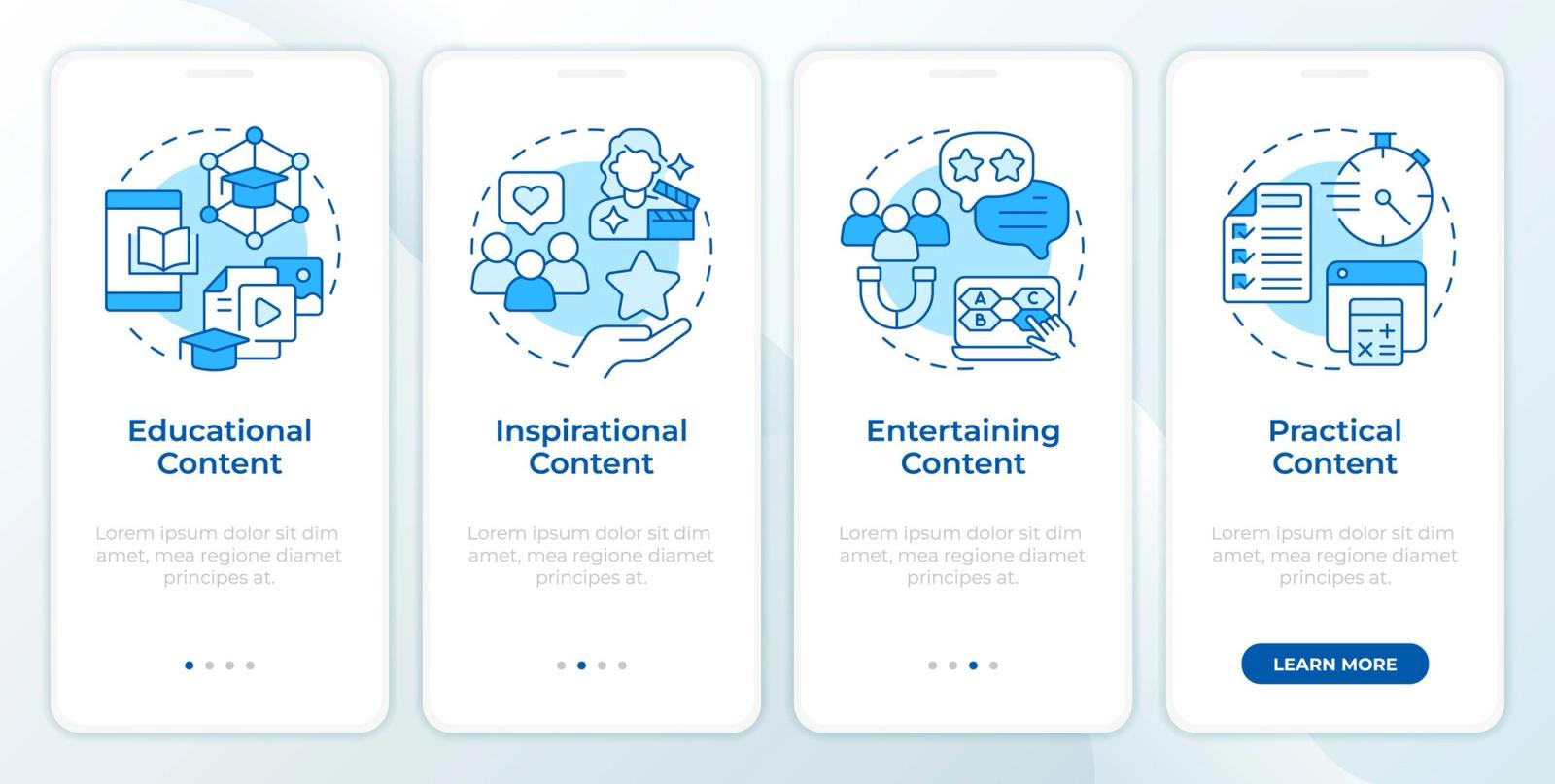
If activation is not the true goal of onboarding, the design of onboarding experiences must evolve accordingly.
Rather than focusing solely on the fastest path to activation, onboarding should help users build mental models of how the product works. Users need to understand not only how to perform an action but also why that action matters.
Effective onboarding experiences often include progressive feature introduction, contextual guidance during real usage, and clear explanations of product value. Instead of presenting all features at once, successful products reveal functionality gradually as users explore the app.
Another important element is practice. Allowing users to repeat core actions during onboarding helps reinforce understanding and builds confidence in using the product independently.
When onboarding focuses on learning rather than speed, activation becomes one milestone within a broader journey rather than the final destination.
How Successful Mobile Apps Think About Onboarding
The most successful mobile products rarely treat onboarding as a single funnel. Instead, they design onboarding as an extended experience that unfolds across multiple sessions.
Early interactions introduce the product's primary value proposition and core functionality. As users return to the app, new capabilities are gradually revealed. This staged approach prevents cognitive overload while encouraging continued exploration.
This strategy reflects an important reality of mobile behavior: users rarely absorb everything about a product in one session. Learning often occurs incrementally over time.
By designing onboarding as an ongoing experience, successful mobile apps ensure that activation naturally leads to deeper engagement rather than acting as an isolated milestone.
Practical Best Practices for Measuring Onboarding
For teams seeking to improve how they measure onboarding success, several practical principles can help create a more accurate picture of user behavior.
First, activation should be treated as an early milestone rather than the final objective. It indicates that the user has reached initial value but does not confirm long-term adoption.
Second, activation metrics should always be paired with engagement indicators such as repeat usage, feature adoption, and session frequency. These metrics reveal whether users continue interacting with the product after the initial experience.
Third, product teams should analyze user behavior across multiple sessions. Observing how users interact with the product over time provides a more complete understanding of onboarding success.
Finally, moments where users hesitate, abandon tasks, or repeatedly seek help should be studied carefully. These behaviors often highlight the real weaknesses in the onboarding experience.
Together, these practices allow teams to measure not just whether users started using the product, but whether they truly learned how to use it.
Conclusion: Stop Celebrating Activation Too Early
Activation is an important signal. It shows that users have taken their first meaningful step inside a product. Without activation, onboarding cannot succeed.
But onboarding does not end at that moment.
True onboarding success occurs when users understand the product well enough to continue using it confidently, independently, and repeatedly. This level of understanding cannot be captured by a single event.
When teams confuse activation with onboarding, they risk celebrating progress too early and overlooking deeper user experience problems.
By measuring onboarding more thoughtfully and by designing experiences that prioritize learning rather than simply driving early actions, product teams can build mobile apps that users not only activate, but continue to rely on over time.